



Maggiori informazioni sul libro
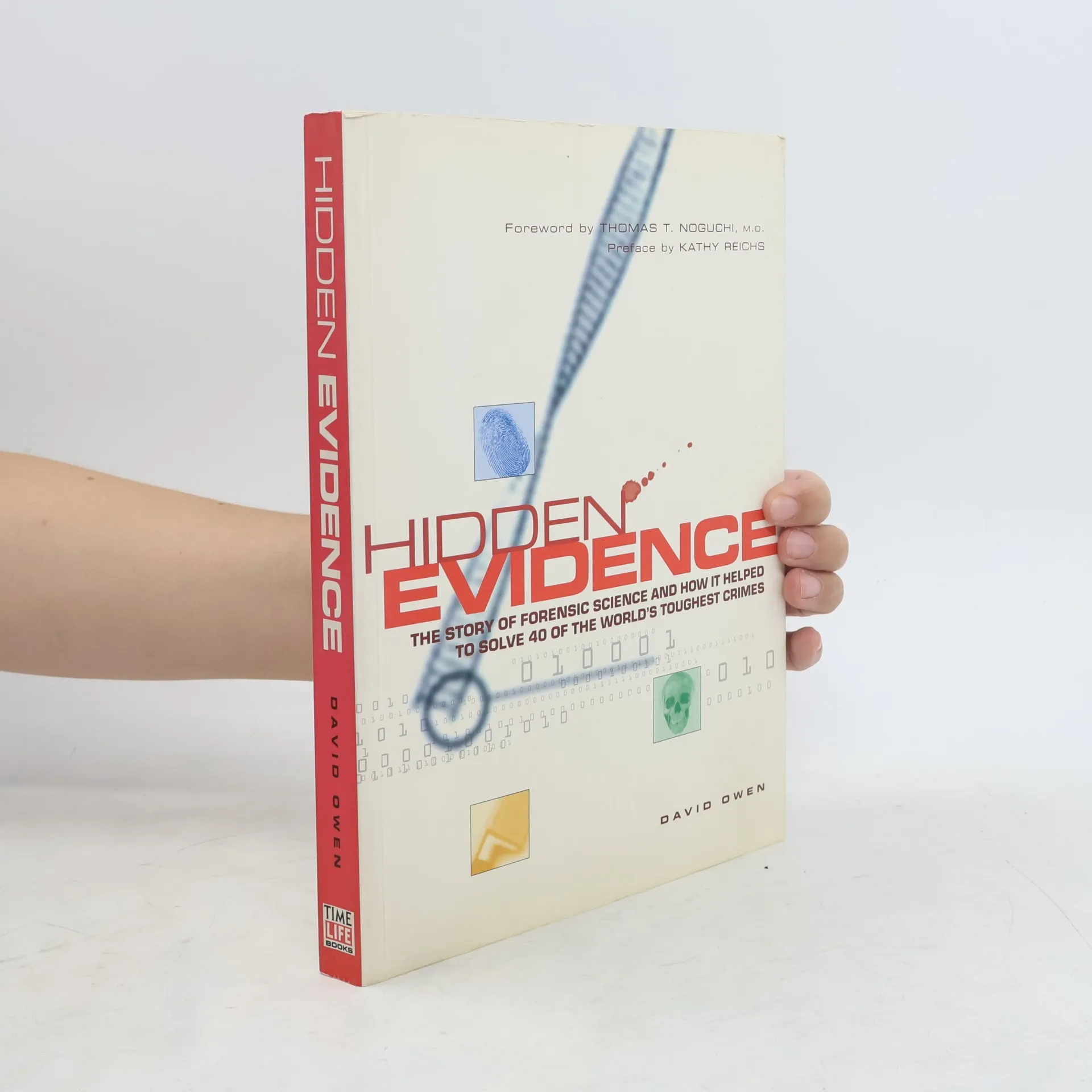
This book takes you into the scenes of 40 infamous crimes and the heart of forensic investigations. It explores true crime cases that have captured public attention, detailing the scientific procedures that helped solve them—from gathering elusive physical clues to analyzing weapons and bodies using advanced scientific methods. The narrative weaves through the history of forensic science and the technologies that support it, including fingerprinting, autopsies, handwriting analysis, ballistics, hair sampling, blood typing, DNA testing, dental records, gas chromatography, mass spectrometry, and toxicology. High-profile cases illustrate forensic advancements, dating back to 1775 when Paul Revere identified a slain soldier using dentures, up to recent events like the Oklahoma bombing. Familiar cases include The Lindbergh Kidnapping, Pan Am Flight 103, The Kennedy Investigation, The Hitler Diaries, Wayne Williams, Ted Bundy, Jeffrey MacDonald, Dr. Josef Mengele, Robert Maxwell's suicide, Tsar Nicholas II, and The World Trade Center bombing. The author presents the facts without speculation, ensuring a comprehensive and well-researched exploration of these cases. This book is described as "a fascinating book ... [and] an excellent mini-encyclopedia of widely discussed, high-profile cases" by former Los Angeles County Coroner Thomas T. Noguchi.
Acquisto del libro
Hidden Evidence, David Owen, Thomas T. Noguchi, Kathy Reichs
- Lingua

- Pubblicato
- 2000
- Rilegatura
- (In brossura)
Metodi di pagamento
Ancora nessuna valutazione.
- Titolo
- Hidden Evidence
- Sottotitolo
- The Story of Forensic Science and How It Helped to Solve 40 of the World's Toughest Crimes
- Lingua
- Inglese
- Autori
- David Owen, Thomas T. Noguchi, Kathy Reichs
- Editore
- Time-Life Books
- Pubblicato
- 2000
- Formato
- In brossura
- Pagine
- 240
- ISBN10
- 0705431959
- ISBN13
- 9780705431958
- Serie
- Categoria
- Descrizione
- This book takes you into the scenes of 40 infamous crimes and the heart of forensic investigations. It explores true crime cases that have captured public attention, detailing the scientific procedures that helped solve them—from gathering elusive physical clues to analyzing weapons and bodies using advanced scientific methods. The narrative weaves through the history of forensic science and the technologies that support it, including fingerprinting, autopsies, handwriting analysis, ballistics, hair sampling, blood typing, DNA testing, dental records, gas chromatography, mass spectrometry, and toxicology. High-profile cases illustrate forensic advancements, dating back to 1775 when Paul Revere identified a slain soldier using dentures, up to recent events like the Oklahoma bombing. Familiar cases include The Lindbergh Kidnapping, Pan Am Flight 103, The Kennedy Investigation, The Hitler Diaries, Wayne Williams, Ted Bundy, Jeffrey MacDonald, Dr. Josef Mengele, Robert Maxwell's suicide, Tsar Nicholas II, and The World Trade Center bombing. The author presents the facts without speculation, ensuring a comprehensive and well-researched exploration of these cases. This book is described as "a fascinating book ... [and] an excellent mini-encyclopedia of widely discussed, high-profile cases" by former Los Angeles County Coroner Thomas T. Noguchi.