Bookbot

Cronache dell'Impero Serie

Questa saga epica approfondisce l'ascesa e la caduta di un impero americano fittizio. Intreccia le vite private di due famiglie inventate con le carriere pubbliche di figure storiche ed eventi cruciali. La narrazione offre un'ampia esplorazione di ambizione, potere e dei paesaggi mutevoli di una nazione. Dall'alba fino al suo declino finale, fornisce una prospettiva avvincente e critica sulla traiettoria storica di un paese.

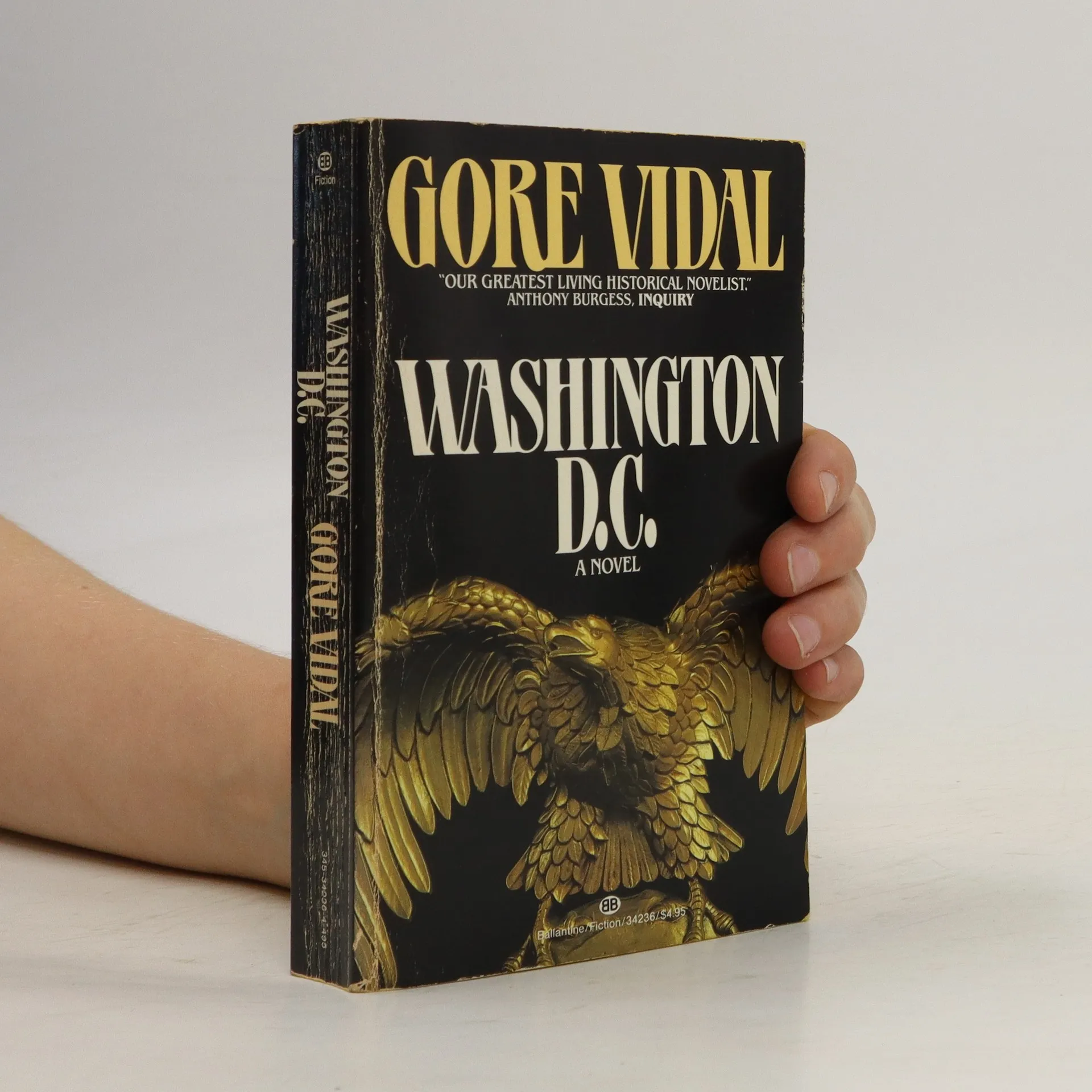
Washington, D. C.
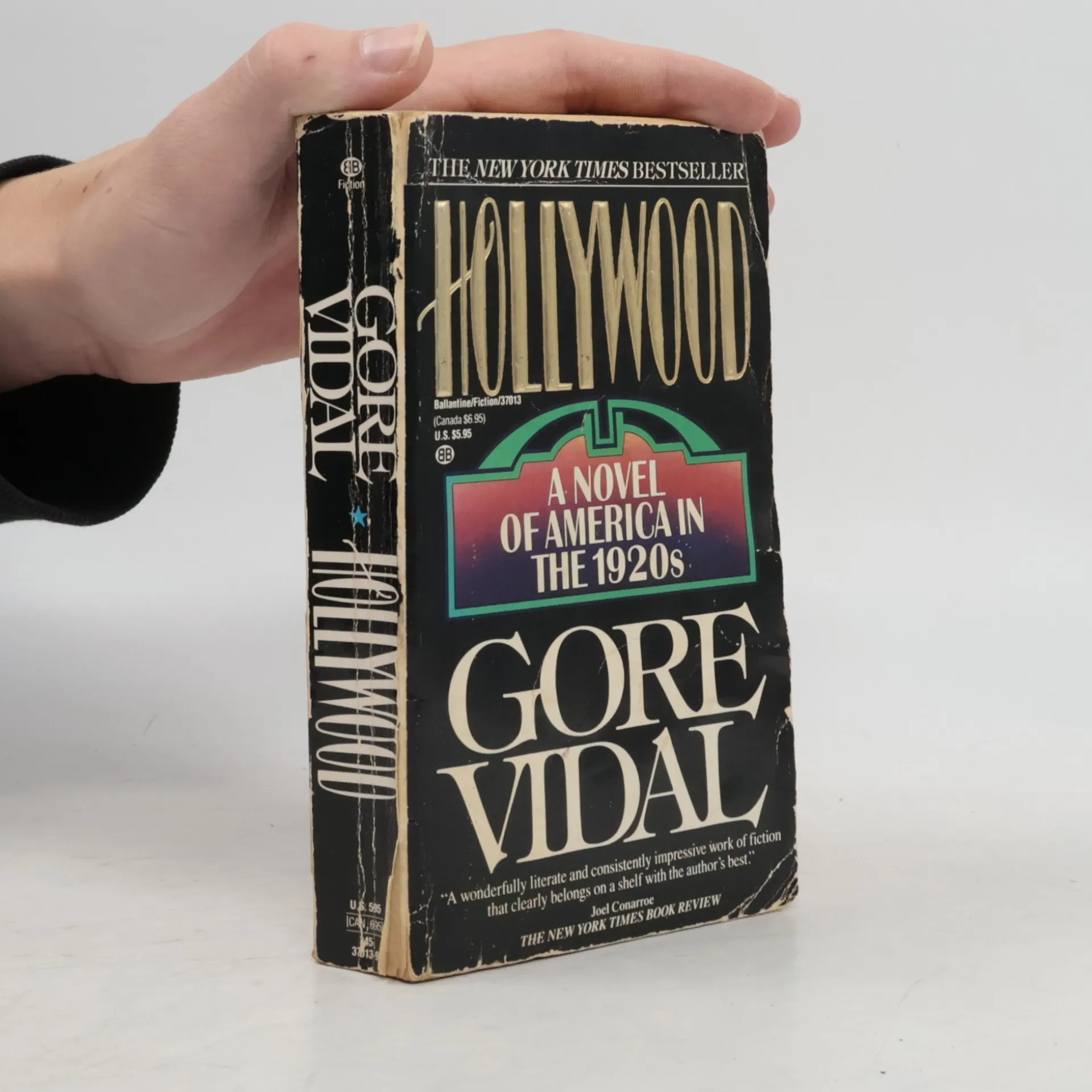
Hollywood: A novel of America in the 1920s
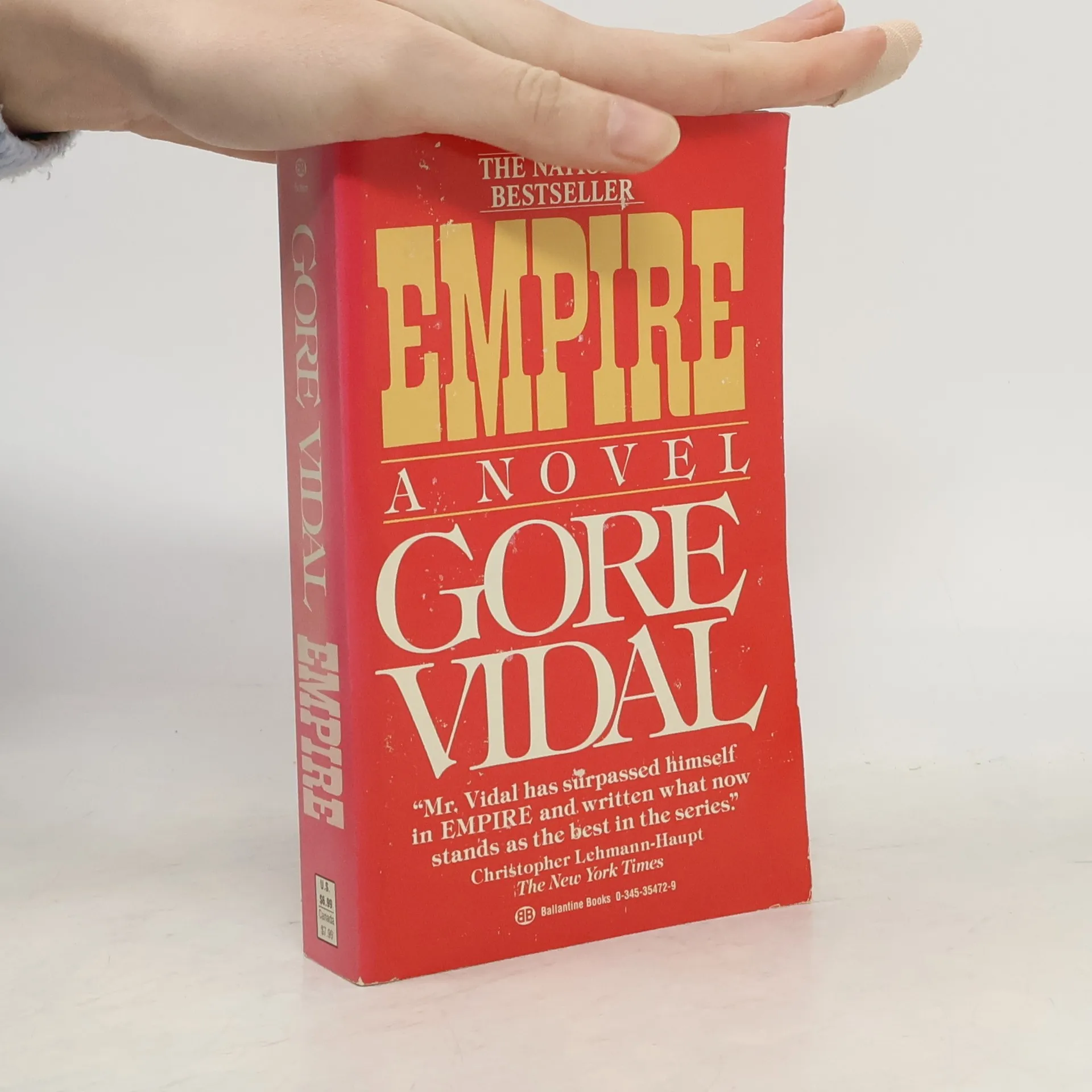
Empire
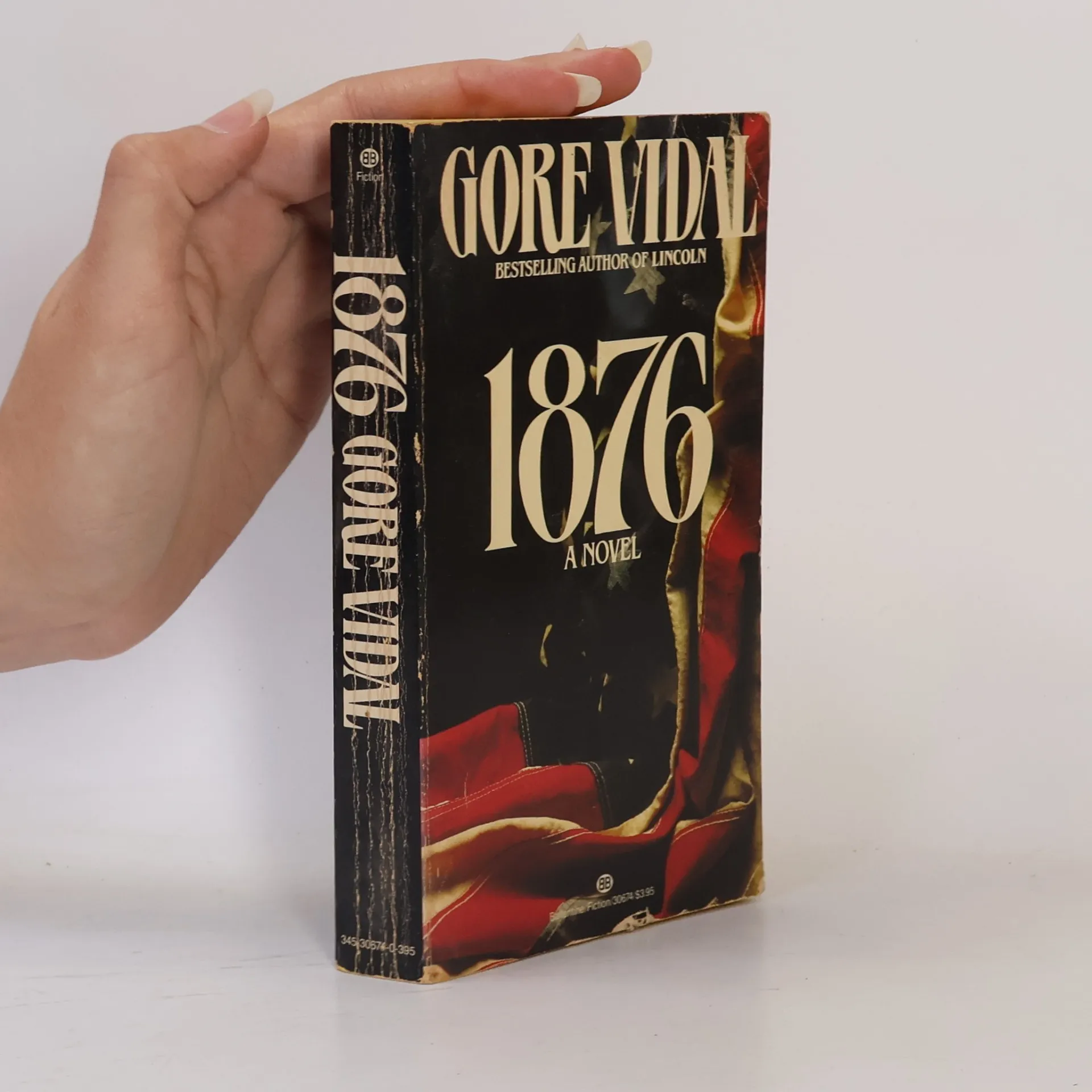
1876
Lincoln
Burr

Ordine di lettura consigliato

  1. Burr

    • 512pagine
    • 18 ore di lettura

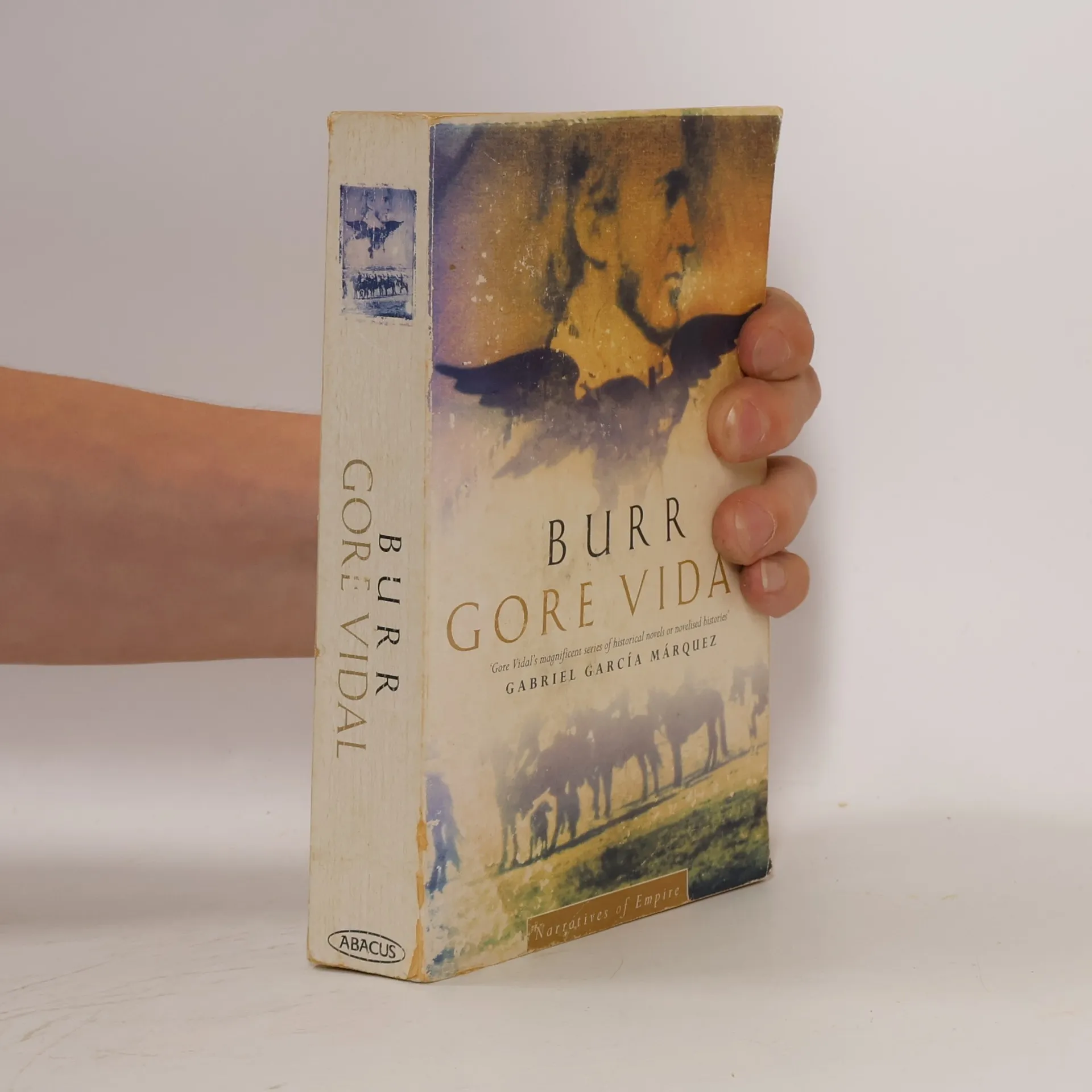
    Gore Vidal's classic novel of Aaron Burr - the man who shot Alexander Hamilton. In 1804, Colonel Aaron Burr, Vice-President of the United States, shot and killed Alexander Hamilton in a duel. Three years later, on the order of President Thomas Jefferson, he was tried for treason: for plotting to dismember the United States. Gore Vidal, romping iconoclastically through American history, debunks, in this historical novel of Burr's life, the common and casually held notion of the man as a scoundrel and an adventurer. Instead he appears as one of the 'host of choice spirits' forced to live among coarse, materialistic, hypocritical people, among them Jefferson and Hamilton. Here, the latter appears as a power-hungry 'parvenu' from the West Indies and the former as a semi-literate slave-owning tyrant. American politics, suggests Vidal, had a penchant for the vulgar. Even then. Veering backwards to the revolution and the early days of the republic, stopping at dinner-parties on the way, and reaching forward to the future, Burr is a novel about treason, both the particular and in general. For what, asks Vidal, really belongs to whom? What properly belongs to the Constitution, to the nation, to the family even, intriguingly, to novelists and historians?
    Burr1
    4,1
  2. La serie Narratives of Empire di Gore Vidal abbraccia la storia degli Stati Uniti dalla Rivoluzione agli anni successivi alla Seconda Guerra Mondiale. Con un ampio panorama e un vasto cast di personaggi storici e fittizi, i romanzi di questa serie offrono una visione dell'esperienza politica e imperiale americana, interpretata da uno dei suoi osservatori più colti e ironici. Per molti americani, Abraham Lincoln è una figura monolitica, il Grande Emancipatore e Salvatore dell'Unione, amato da tutti. In Lincoln di Gore Vidal incontriamo Lincoln uomo e Lincoln animale politico, il presidente che entra in una capitale assediata, dove la maggior parte della popolazione sostiene il Sud e anche coloro che favoriscono l'Unione nutrono seri dubbi sulla capacità dell'uomo dell'Illinois di salvarla. Lontano dall'essere fermo nella sua avversione alla schiavitù, Lincoln si tormenta sulla migliore linea d'azione e giunge alla sua grande decisione solo quando tutto sembra fallire. Mentre la Guerra Civile devasta la sua nazione, Lincoln deve affrontare un profondo tumulto personale, la perdita del suo amato figlio e le accuse di una moglie vista come traditrice per i suoi legami con il Sud. Concepito brillantemente e realizzato magistralmente, Lincoln di Gore Vidal permette all'uomo di respirare di nuovo.

    Lincoln2
    4,3
  3. 1876

    A Novel

    • 439pagine
    • 16 ore di lettura

    The third volume of Gore Vidal's magnificent series of historical novels aimed at demythologizing the American past, 1876 chronicles the political scandals and dark intrigues that rocked the United States in its centennial year. ------Charles Schermerhorn Schuyler, Aaron Burr's unacknowledged son, returns to a flamboyant America after his long, self-imposed European exile. The narrator of Burr has come home to recoup a lost fortune by arranging a suitable marriage for his beautiful daughter, the widowed Princess d'Agrigente, and by ingratiating himself with Samuel Tilden, the favored presidential candidate in the centennial year. With these ambitions and with their own abundant charms, Schuyler and his daughter soon find themselves at the centers of American social and political power at a time when the fading ideals of the young republic were being replaced by the excitement of empire. ------A glorious piece of writing, said Jimmy Breslin in Harper's. Vidal can take history and make it powerful and astonishing. Time concurred: Vidal has no peers at breathing movement and laughter into the historical past. ------With a new Introduction by the author. From the Hardcover edition.

    18763
    3,9
  4. Empire

    • 480pagine
    • 17 ore di lettura

    The brilliant successor to Burr and Lincoln, a stunning historical novel of Theodore Roosevelt's Washington, America's Gilded Age and the expanding American empire, seen through the eyes and minds of the remarkable men and women who ruled it.

    Empire4
    3,9
  5. This stunning and illuminating portrait of national politics from the New Deal to the McCarthy era superbly blends historical figures with fictional characters. We follow the lives of Blaise Sanford, the ruthless Washington newspaper tycoon; his son, Peter, a liberal editor both fascinated and repelled by the imperial city; Peter's beautiful and self-destructive sister Enid; her husband, Clay Overbury, a charismatic and ambitious politician; and James Burden Day, the powerful conservative senator. With characteristic wit and insight, Vidal chronicles life in the nation's capital at a time when these men and others transformed America into "possibly the last empire on earth".

    Washington, D. C.6
    3,8
  6. L'età dell'oro

    • 478pagine
    • 17 ore di lettura

    L'età dell'oro esplora la storia politica degli Stati Uniti tra il 1939 e il 1954, analizzando le dinamiche tra presidenti democratici e oppositori repubblicani, le loro ambizioni e debolezze, le rielezioni e le guerre, sia calde che fredde, che hanno segnato quel periodo. Il romanzo si distingue per la sua narrazione avvincente e i personaggi di finzione, come l'idealista Caroline, l'intellettuale radicale Peter e il regista tormentato Tim, che incarnano le tensioni del dopoguerra. Gore Vidal, attraverso la figura di se stesso, sfuma i confini tra storia, letteratura e critica sociale, presentando una visione caustica della realtà. La narrazione si basa su una rigorosa documentazione storica, ma include personaggi inventati che reinterpretano eventi reali, offrendo letture inedite. Gli anni analizzati, cruciali per gli Stati Uniti e il mondo, sono esaminati con precisione, rivelando intrighi e ambizioni che spesso si celano dietro eventi considerati gloriosi. Vidal, esperto della politica americana, offre una visione disincantata e combattiva dei processi storici, sottolineando come le vere motivazioni delle guerre e delle crisi rimangano ignote, rendendo gli individui marionette di poteri invisibili. Il libro funge da monito contro la falsificazione politica della verità e invita a non accettare passivamente le narrazioni rassicuranti del potere.

    L'età dell'oro7
    3,7