


Bookbot

La società aperta e i suoi nemici

Questa serie si addentra nelle questioni fondamentali della filosofia politica e della natura della società. Esplora la tensione tra la libertà individuale e la necessità di un ordine collettivo, analizzando le radici storiche e filosofiche delle correnti di pensiero totalitarie. Offre profonde intuizioni a sostegno di una società aperta e democratica e critica i tentativi di sostituirla. Il suo messaggio centrale promuove un futuro aperto, sottolineando che le decisioni umane, e non le tendenze storiche predeterminate, plasmano la direzione del mondo.

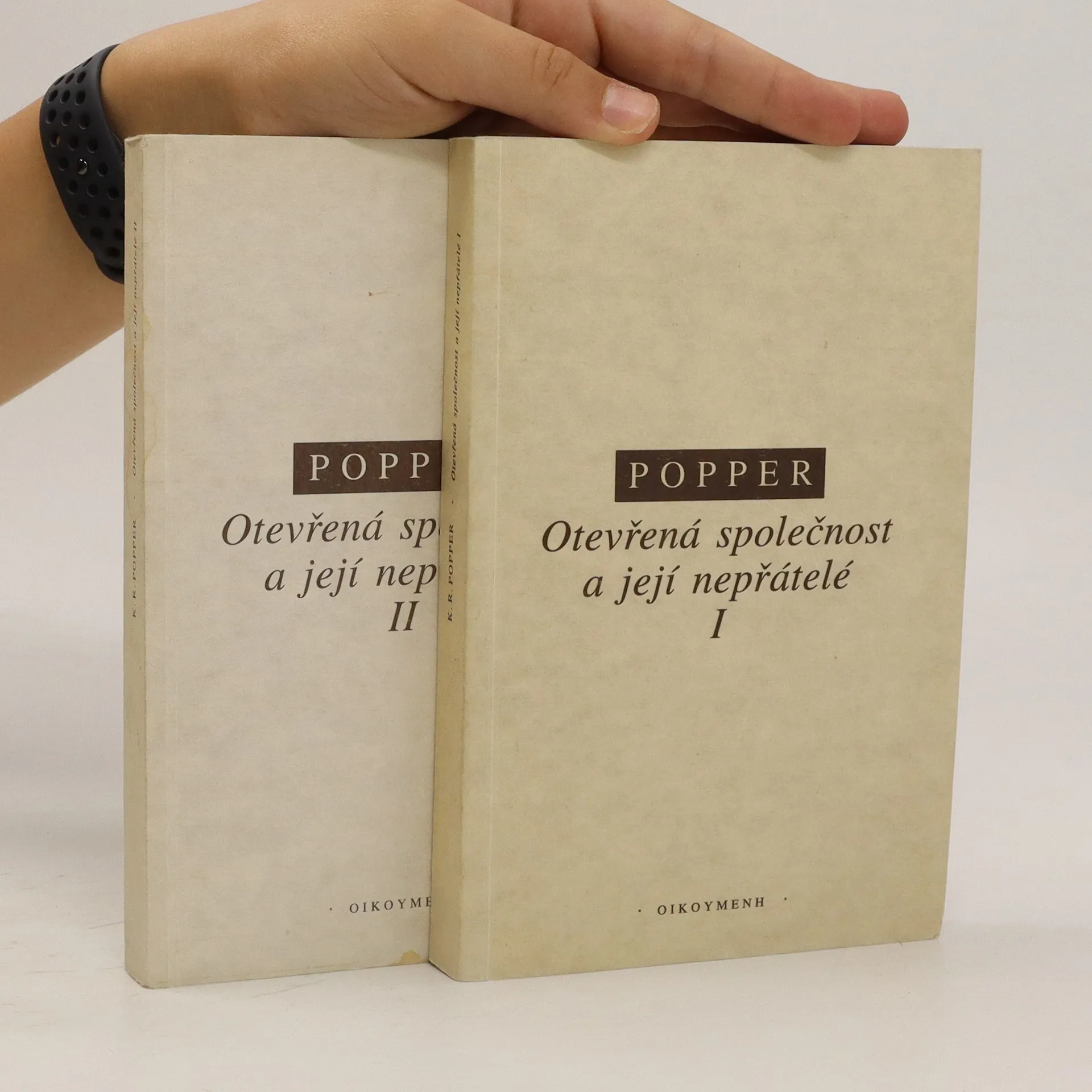
Otevřená společnost a její nepřátelé I. - II. díl
After The Open Society
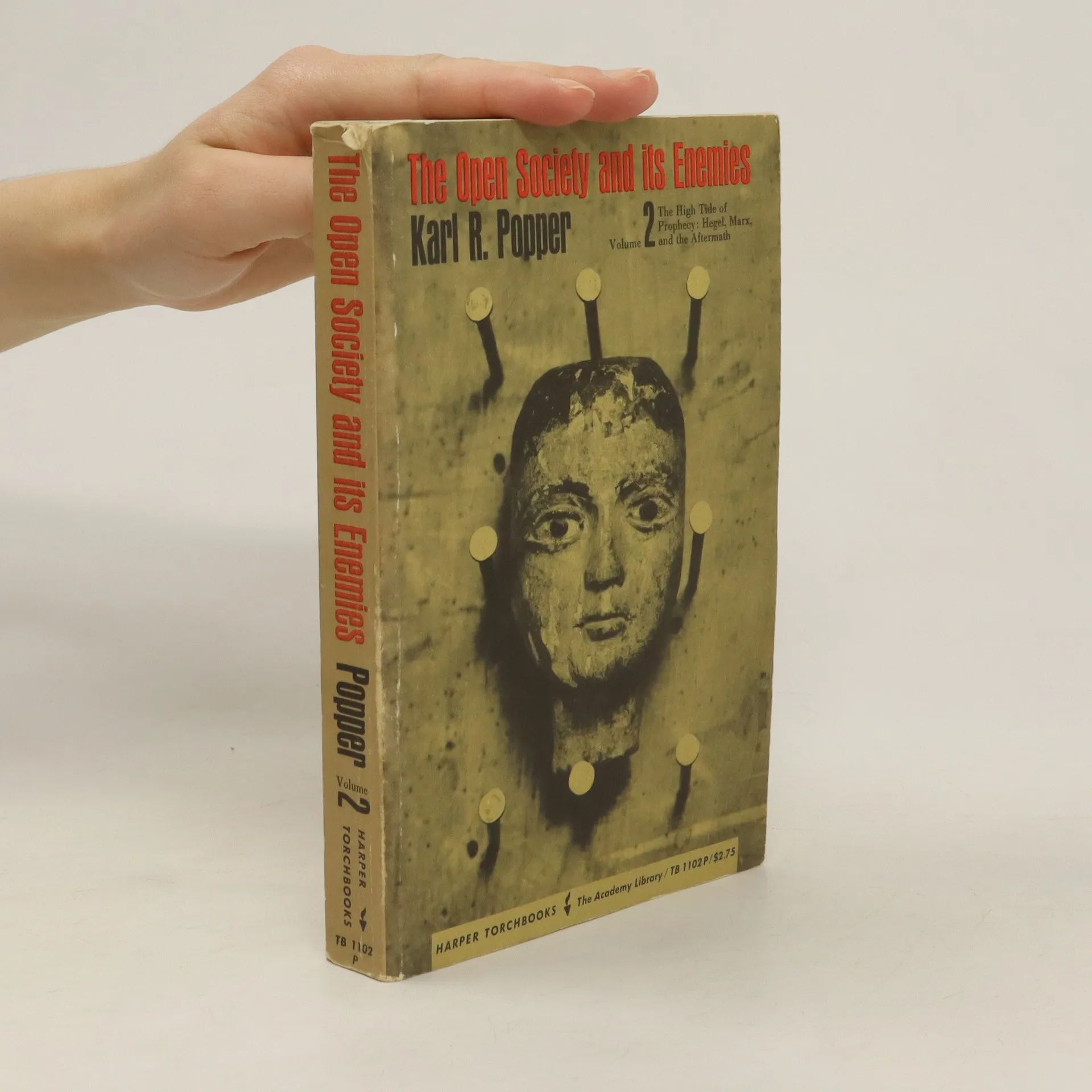
The Open Society and its Enemies 2
Die offene Gesellschaft und ihre Feinde
The Open Society and Its Enemies. Vol.1

Ordine di lettura consigliato

  1. Popper was born in 1902 to a Viennese family of Jewish origin. He taught in Austria until 1937, when he emigrated to New Zealand in anticipation of the Nazi annexation of Austria the following year, and he settled in England in 1949. Before the annexation, Popper had written mainly about the philosophy of science, but from 1938 until the end of the Second World War he focused his energies on political philosophy, seeking to diagnose the intellectual origins of German and Soviet totalitarianism. The Open Society and Its Enemies was the result. In the book, Popper condemned Plato, Marx, and Hegel as "holists" and "historicists"--a holist, according to Popper, believes that individuals are formed entirely by their social groups; historicists believe that social groups evolve according to internal principles that it is the intellectual's task to uncover. Popper, by contrast, held that social affairs are unpredictable, and argued vehemently against social engineering. He also sought to shift the focus of political philosophy away from questions about who ought to rule toward questions about how to minimize the damage done by the powerful. The book was an immediate sensation, and--though it has long been criticized for its portrayals of Plato, Marx, and Hegel--it has remained a landmark on the left and right alike for its defense of freedom and the spirit of critical inquiry.

    The Open Society and Its Enemies. Vol.11
    4,2
  2. Die offene Gesellschaft und ihre Feinde

    Der Zauber Platons

    • 524pagine
    • 19 ore di lettura

    In this two-volume work, Karl Popper explores the evolution of historicism, the belief in laws governing historical development, as articulated by Plato (Volume I) and later by Hegel, Marx, and their successors (Volume II). The text also engages with a range of epistemological, philosophical, ethical, and political issues that remain relevant today. Since its publication in 1945, the book has been translated into 23 languages, highlighting its significance as more than just a critique of philosophical systems from antiquity to modern times. Popper's theory of the open society emphasizes the continuous improvement of institutions within parliamentary democracies, a concept that is thoroughly developed across both volumes. This work is essential for anyone interested in the foundations and advancement of civil societies.

    Die offene Gesellschaft und ihre Feinde1
    4,5
  3. After The Open Society

    • 528pagine
    • 19 ore di lettura

    In this long-awaited volume, Jeremy Shearmur collects the most important writings Popper made in the years after The Open Society was first published. Many are published here for the first time.

    After The Open Society3
    4,4

Libri correlati