Bookbot

Rainer Maria Rilke

    4 dicembre 1875 – 29 dicembre 1926

    Rainer Maria Rilke è considerato uno dei più grandi poeti di lingua tedesca del XX secolo. Le sue immagini suggestive si concentrano spesso sulla difficoltà della comunione con l'ineffabile in un'epoca di incredulità, solitudine e profonda ansia, posizionandolo come una figura di transizione tra i poeti tradizionali e quelli modernisti. Rilke eccelleva sia nel verso che nella prosa lirica, esplorando la vita interiore e le ricerche spirituali. Compose anche oltre 400 poesie in francese, dedicate alla sua patria d'elezione in Svizzera.

    Rainer Maria Rilke
    Sonnets to Orpheus
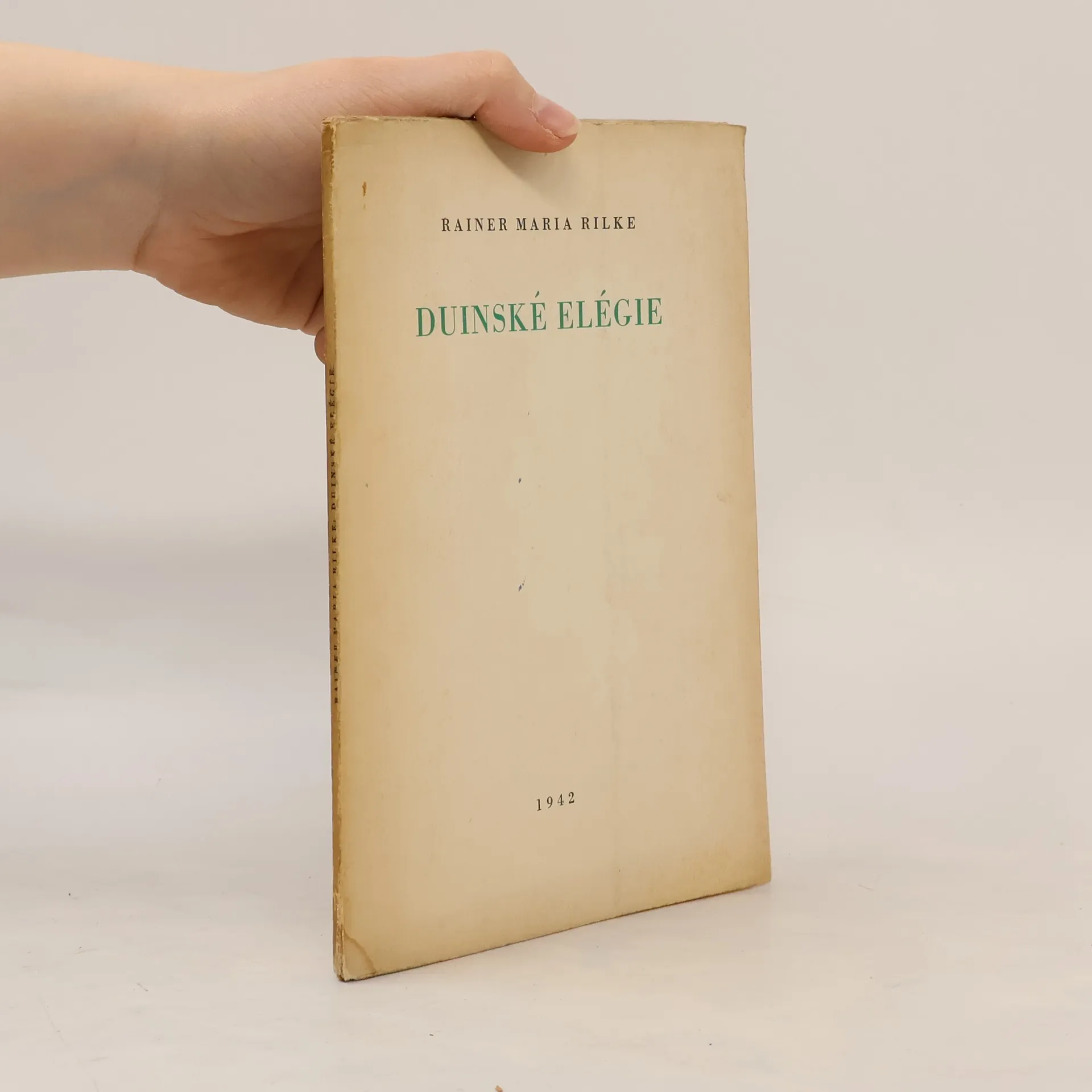
    Classici: Elegie Duinesi. Ediz. multilingue
    Rilke a Capri
    La grande poesie
    Lettere di Natale alla madre
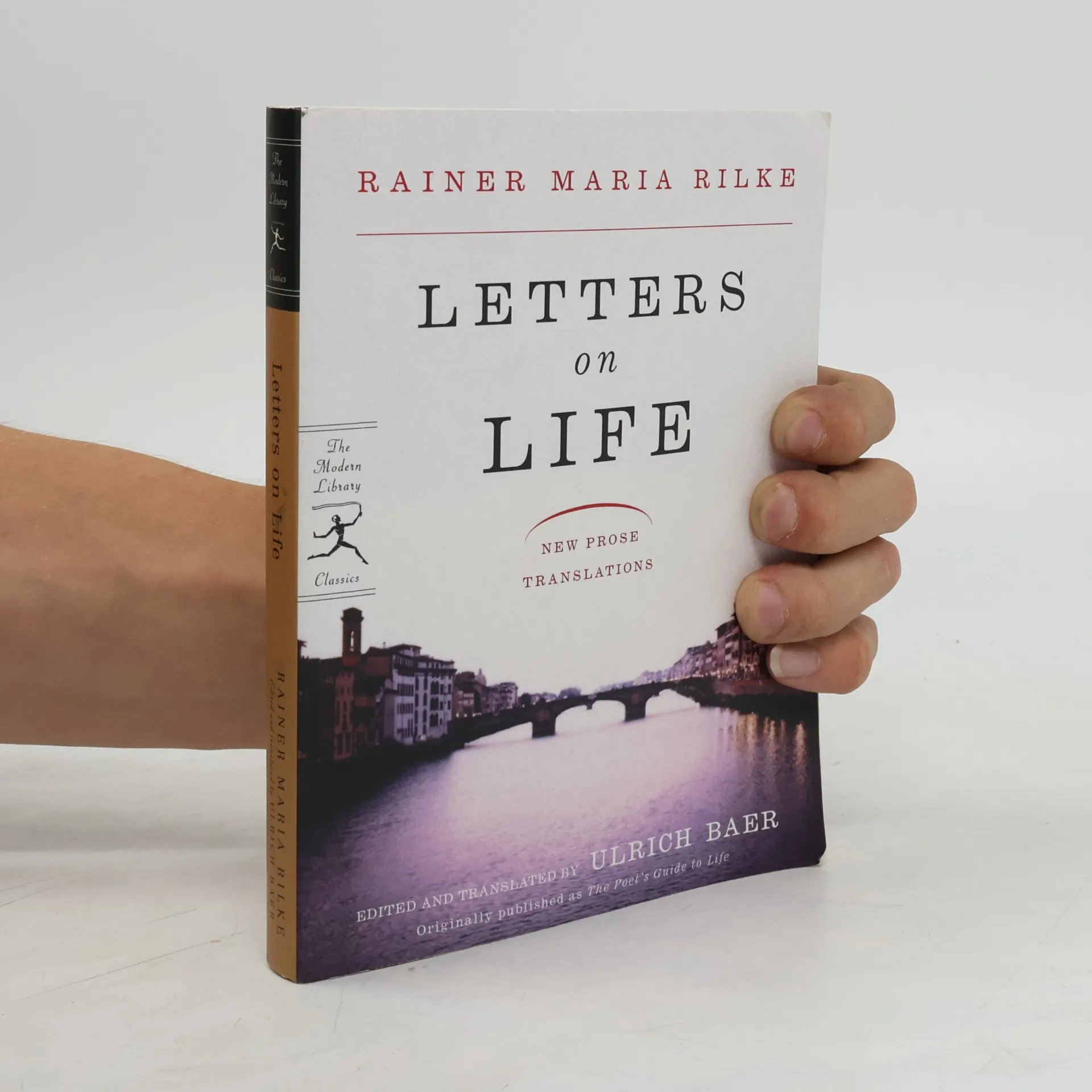
    Lettere a un giovane poeta
    • "Questo è il Natale, avvertire dentro di sé, una volta all'anno, questa aspettativa, questo fermo diritto che niente può deludere. Sentire che in fondo i nostri più grandi desideri, se solo apriamo a loro il nostro cuore, non possono non essere esauditi. Questi sono, carissima mamma, i miei pensieri di Natale per te...". (Rainer Maria Rilke)

      Lettere di Natale alla madre
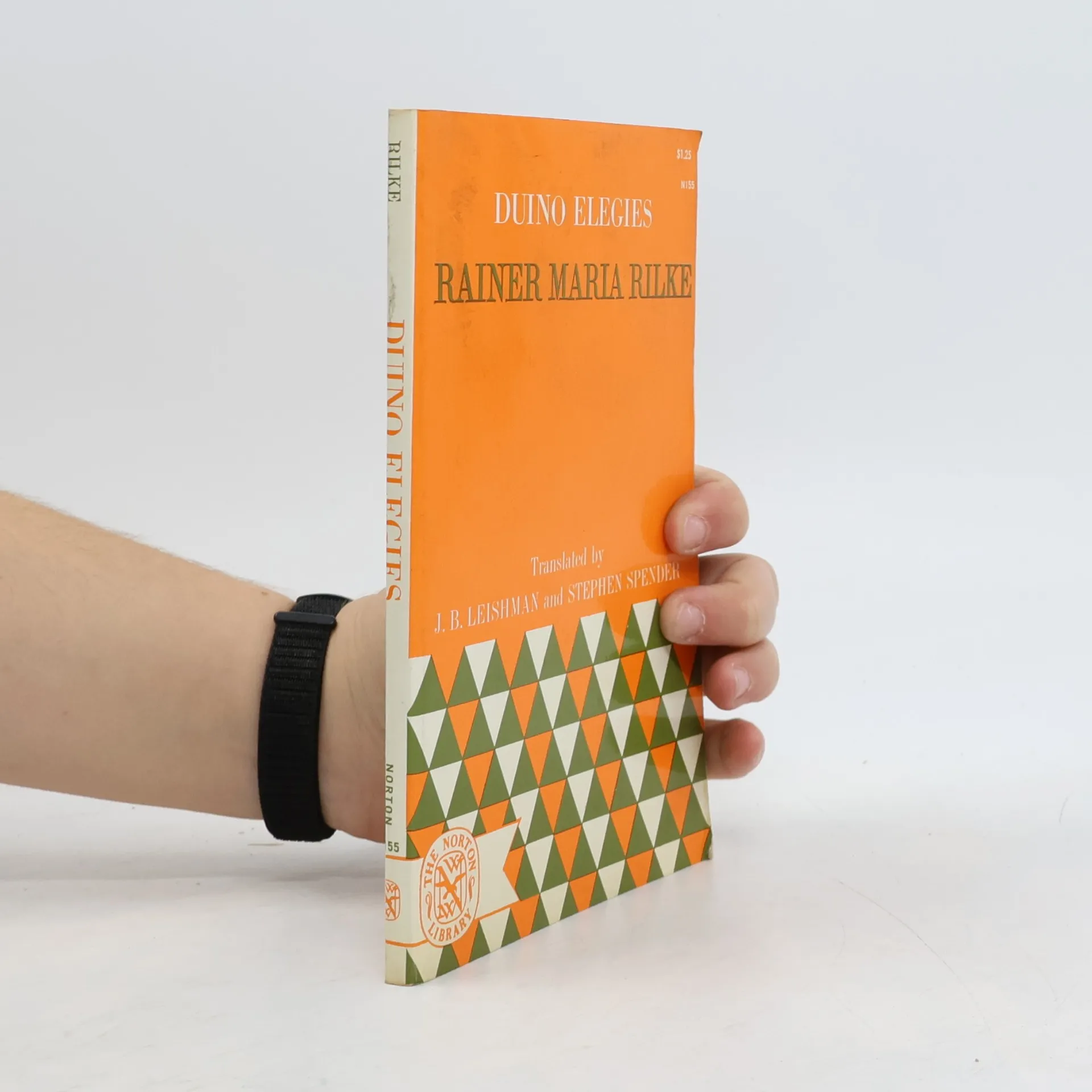
    • Questa nuova traduzione delle Elegie duinesi, un classico della letteratura tedesca, affronta per la prima volta il tema della coerenza interna della silloge rilkiana, come dichiarazione di poetica e ricerca esistenziale e filosofica in sé compiuta. Composte nell’arco di 10 anni, tra il 1912 e il 1922, a cavallo di un passaggio epocale, tra la fine del lungo Ottocento e il traumatico inizio del Novecento, che proprio a Duino lasciò un paesaggio lunare e devastato dalla violenza, le Elegie duinesi acquistano, nella lettura che ne dà la germanista Renata Caruzzi, una nuova dimensione di profonda riflessione filosofica ed estetica e di viatico che Rilke lascia al mondo nuovo che vede sorgere dalle rovine della guerra. Corredano il libro un saggio biografico-critico su Rilke e le Elegie, un brano della lettera di Rilke sulla traduzione delle Elegie, e un breve ma intenso elogio funebre di Robert Musil, pronunciato a Berlino all’indomani della scomparsa del poeta che egli definisce “il più grande lirico che i tedeschi abbiano avuto dal Medioevo in poi”.
      Classici: Elegie Duinesi. Ediz. multilingue
    • On the centennial of the first appearance (1923) of Rilke's Sonnets to Orpheus, award-winning translator Mark Burrows reveals their depth and meaning with a brilliant new introduction and translation. This new translation captures the lyric beauty of Rilke's poems, honoring their syntactic peculiarities and grammatical complexities as few translators have dared to do. Burrows' versions maintain the essential strangeness of language and abruptness of metaphor by which the sonnets attain their distinctive character in German. Burrows' approach replicates what one reviewer describes as the poems' "dazzling obscurity," refusing to resolve the deliberate difficulties Rilke's formulations present. The effect invites readers to linger with these sonnets, allowing themselves to be shaped in their encounter with them.

      Sonnets to Orpheus
    • Selected Poems

      • 96pagine
      • 4 ore di lettura

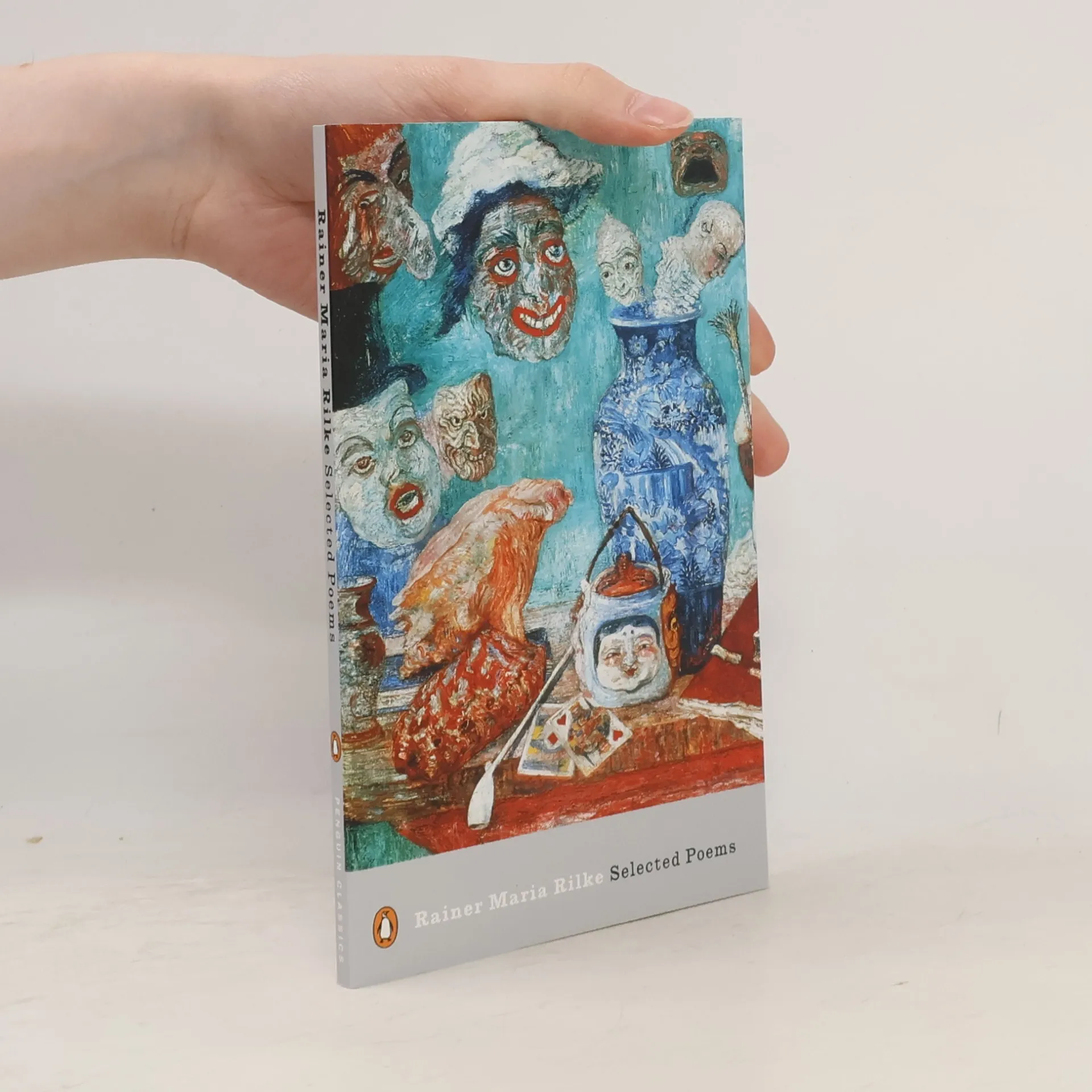
      Hailed as the greatest modern lyrical poet of Germany, Rainer Maria Rilke's genius lies in his passion for perfection, artistic integrity and willingness to remain a perpetual beginner'. The verse contained in this selection ranges from the objective, naturalistic descriptions of his earliest works to the increasingly effusive outpourings of half-religious ecstasy and anguish that characterize his later poems and culminates in the overwhelmingly personal vision of the famous Duino Elegies' and `The Sonnets to Orpheus', in which his most intense experiences of living and being find their noblest expression.

      Selected Poems
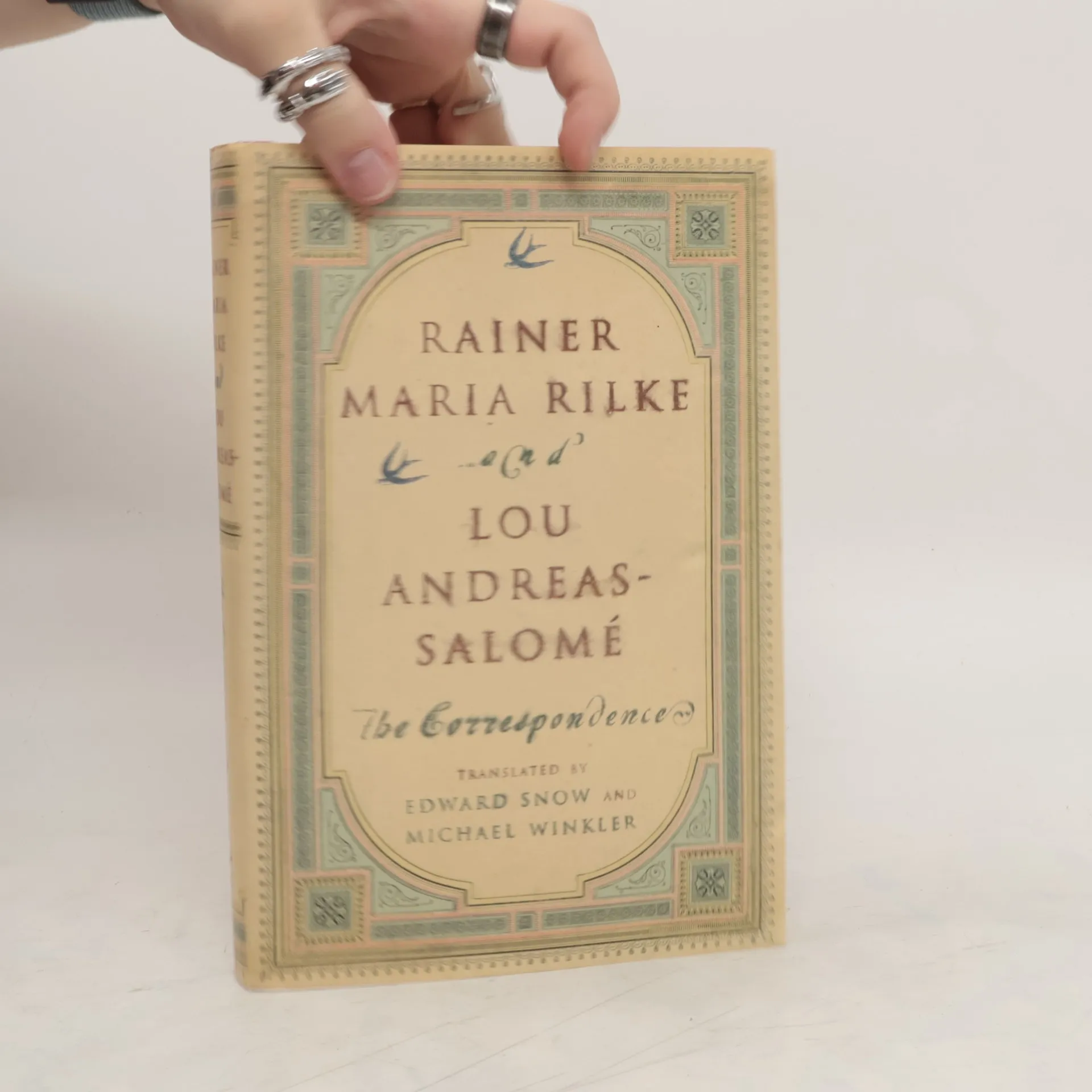
    • The complete extant correspondence between a key fin-de-siecle intellectual and one of the most revered poets of the twentieth century. He would become one of the most important poets of the twentieth century; she was the über-muse of Europe's turn-of-the-century thinkers and artists. In this never-before-translated collection of letters spanning almost thirty years, the poet Rainer Maria Rilke and Lou Andreas-Salomé, a writer and intellectual fourteen years his senior, pen a relationship that moves from that of lovers to that of mentor and protégé, to that of deepest personal and literary allies. From the time of their first meeting and consequent affair to Rilke's death in 1926, Rilke and Salomé reeled through extremes of love, pain, annoyance, desire, and need―yet guided each other in one of the most fruitful artistic exchanges in twentieth-century literature. Despite illness, distance, and emotional and psychological pain, they managed to cultivate, through strikingly honest prose, an enduring and indispensable friendship, a decades-long heartfelt dialogue that encompassed love, art, and the imagination.

      The correspondence
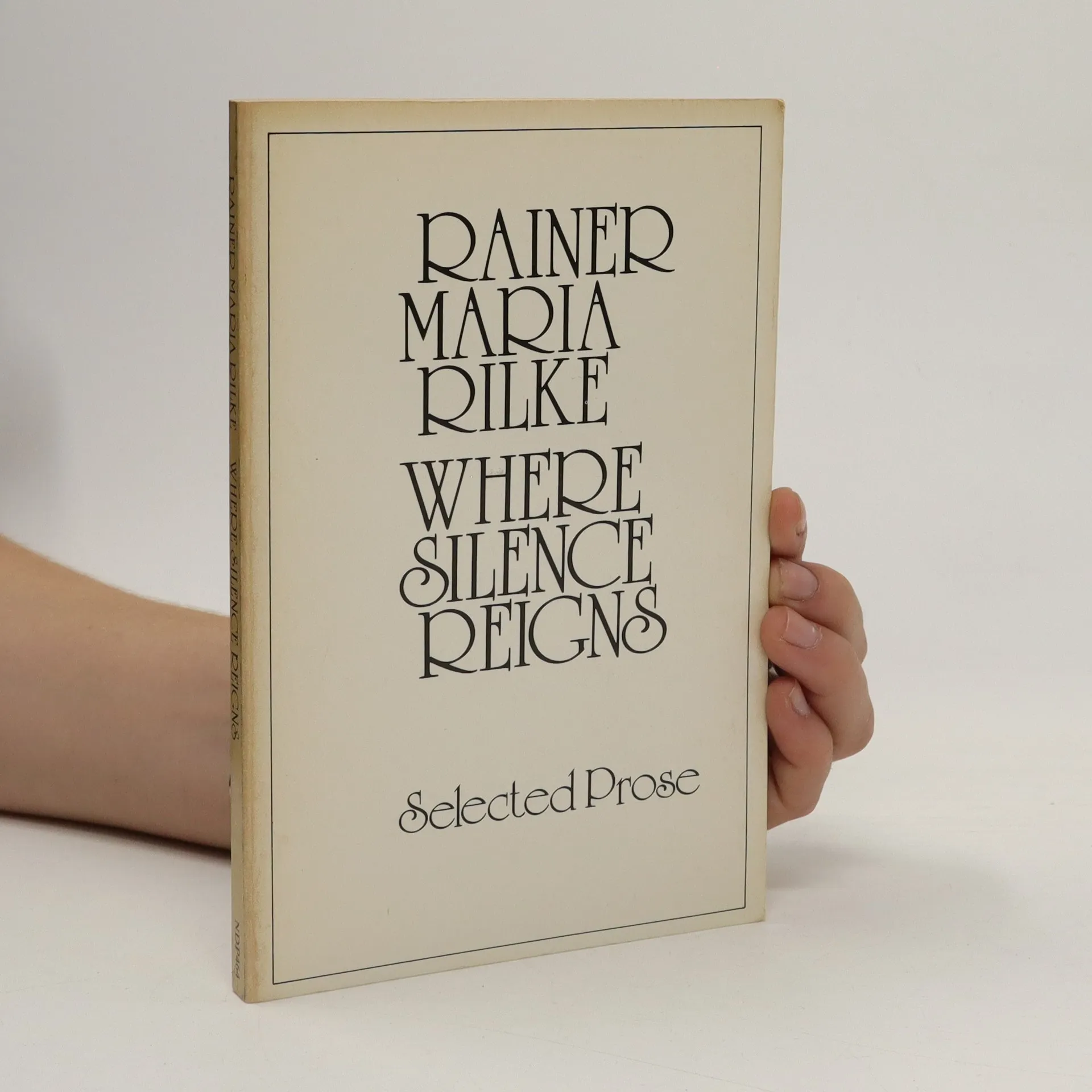
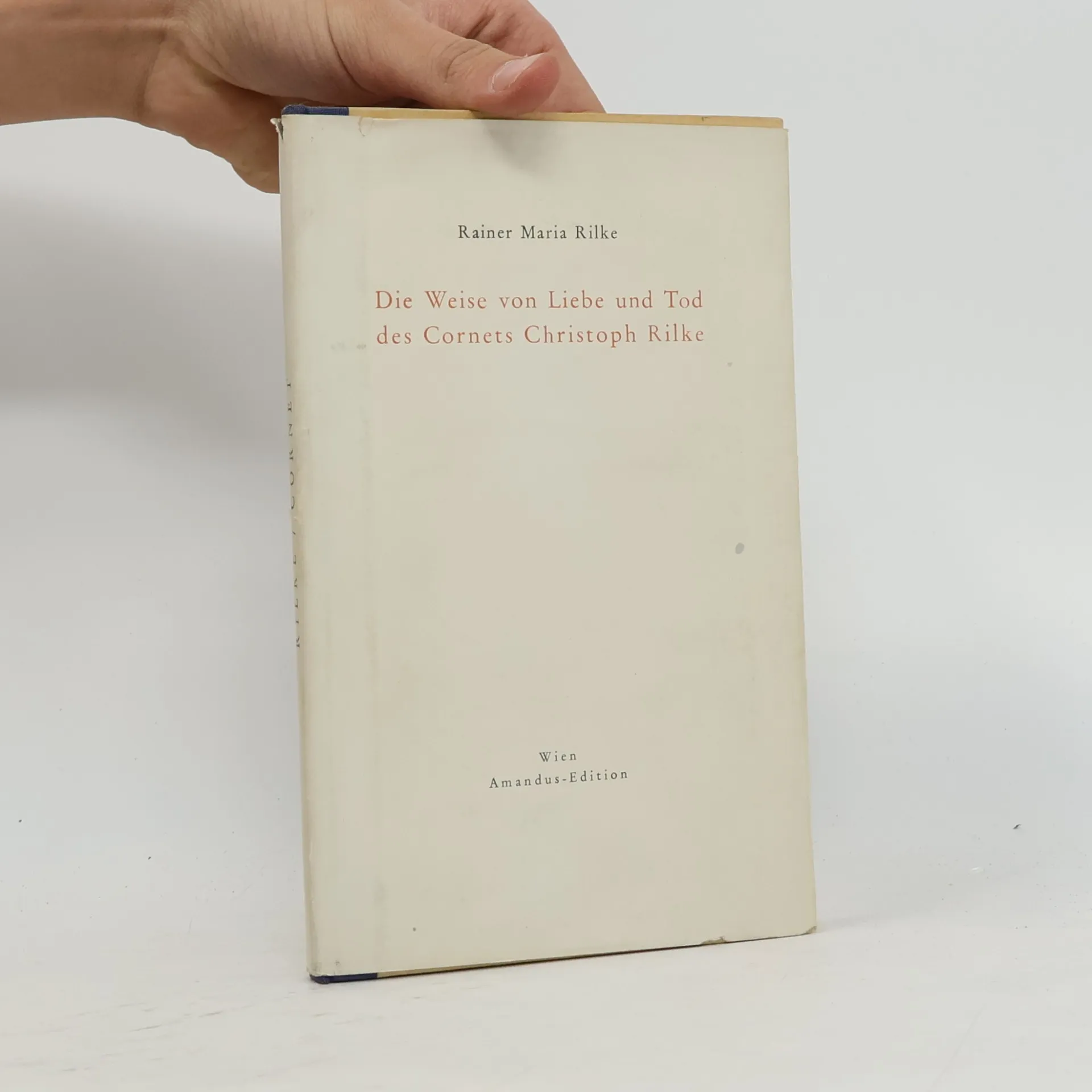
    • In this collection of excerpts from his essays, notebooks, and letters, pre-eminent modern poet Rainer Maria Rilke meditates on subjects as varied as a dolls, walking among trees, and the great sculptor Rodin. Where Silence Reigns, a sampling from his essays, notebooks, and letters, shows Rainer Maria Rilke (1875-1926), the pre-eminent modern poet of solitude and inwardness, seeking to reconcile his personal conflict between the claims of "life" and the claims of art. His subjects are commonplace, seemingly innocuous at times: the encounter between a man and a dog, a collection of dolls, a walk among trees. But always the deceptively simple external phenomenon is seen as the symbol, the catalyst of an intensely felt inner experience. As he confided to his friend Frau Wunderly-Volkart: "Oh, how often one longs to speak a few degrees more deeply! My prose... lies deeper... but one gets only a minimal layer further down; one’s left with a mere intimation of the kind of speech that may be possible THERE where silence reigns." In addition to occasional pieces and notebook entries, this volume contains selections from the strange and haunting "Dream-Book," the lyrical "Lay of the Love and Death of Cornet Christoph Rilke," and the entire "Rodin-Book"––Rilke’s appreciation of the great sculptor whom he had served as secretary.

      Where Silence Reigns
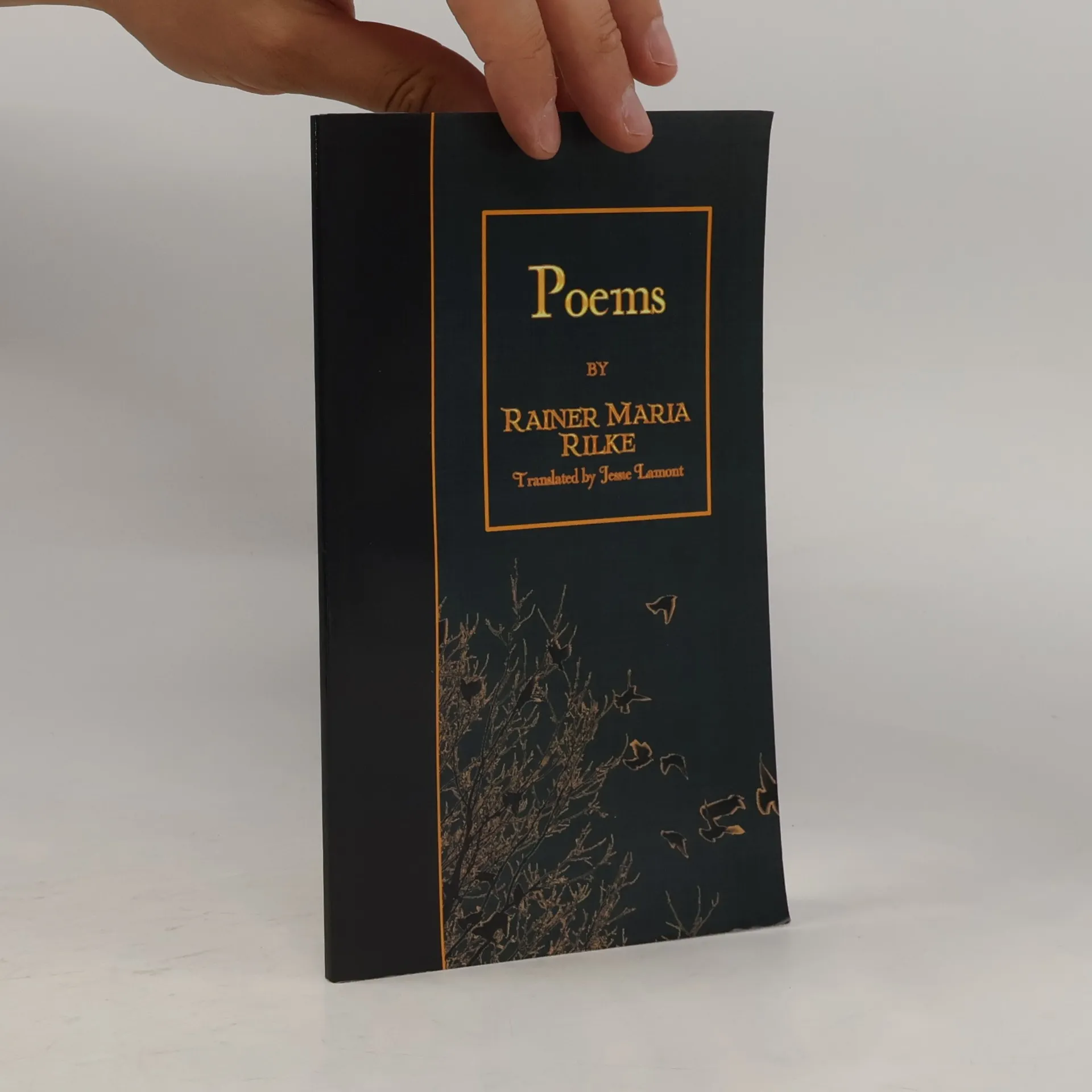
    • The Everyman's Library Pocket Poets hardcover series is popular for its compact size and reasonable price which does not compromise content. Poems: Rilke contains poems from The Book of Images; New Poems; Requiem for a Friend; Poems, 1906-1926; French Poems; The Life of Mary; Sonnets to Orpheus; The Duino Elegies; Letters to a Young Poet; and an index of first lines.

      Poems