A World Appears: A Journey Into Consciousness
- 320pagine
- 12 ore di lettura


Michael Pollan è un autore e giornalista americano che esplora principalmente la complessa relazione tra esseri umani e piante. Il suo lavoro approfondisce gli impatti culturali, etici e ambientali del modo in cui coltiviamo e consumiamo il cibo. Lo stile di scrittura di Pollan è acuto e accessibile, guidando i lettori attraverso argomenti intricati con chiarezza. I suoi influenti libri hanno innescato conversazioni globali sull'agricoltura sostenibile e sul nostro legame con il mondo naturale.


By the bestselling author of The Omnivore's Dilemma, this is Michael Pollan's ingenious companion book about the surprising and close relationship between people and plants.
Explores three very different drugs, opium, caffeine and mescaline - and throws the fundamental strangeness of our thinking about them into sharp relief
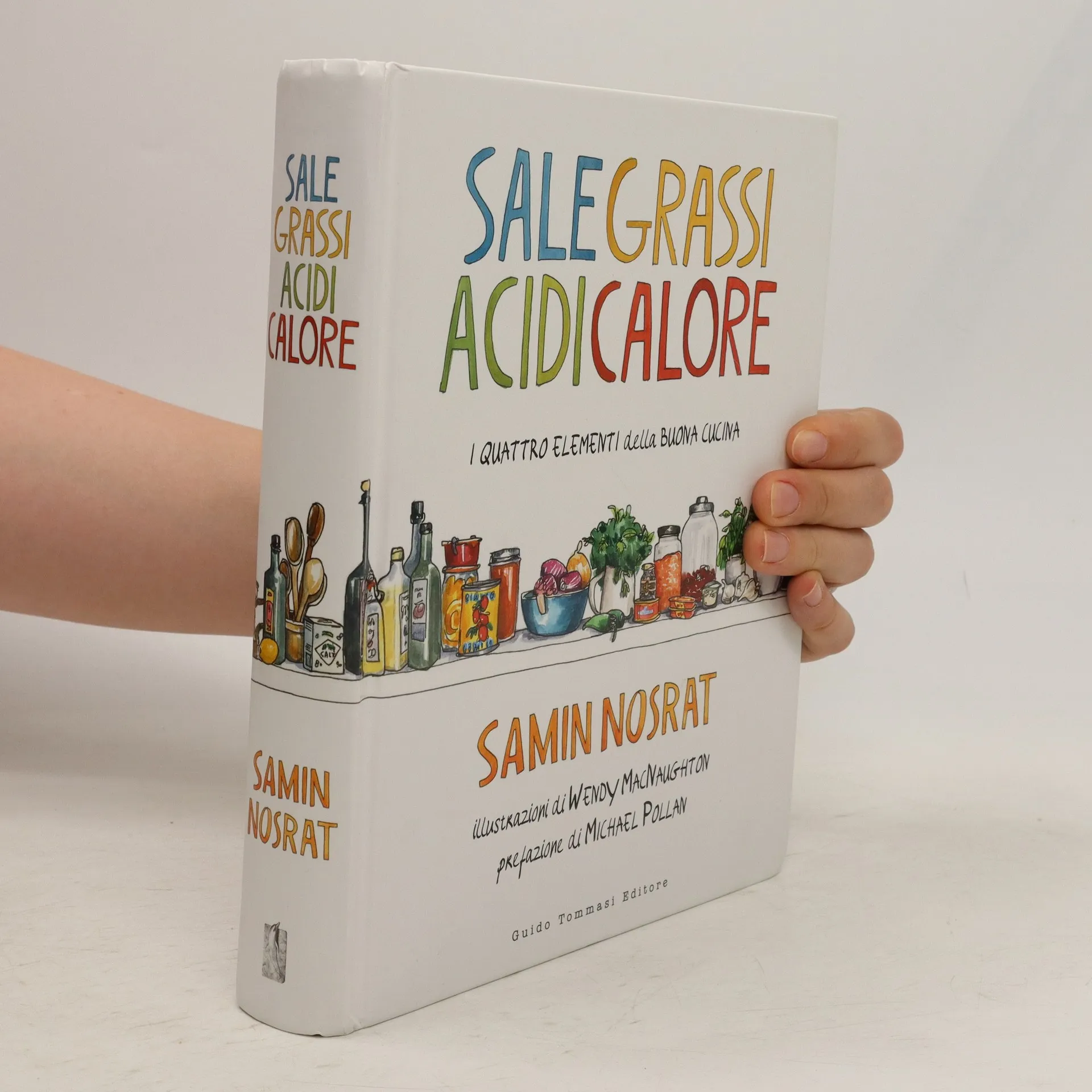
Samin Nosrat condensa la sua ricca esperienza come cuoca e insegnante di cucina in un approccio semplice ma rivoluzionario. Il libro si concentra sulle quattro fondamenta della buona cucina: sale, grasso, acido e calore. Il sale approfondisce i sapori, il grasso li sostiene e consente consistenze attraenti, l'acido bilancia i sapori e il calore determina la consistenza finale di un piatto. Chi padroneggia questi quattro elementi può cucinare in modo eccellente senza dover seguire rigidamente le ricette. Con un tono accessibile e coinvolgente, Nosrat esplora gli aspetti teorici e pratici della buona cucina, fornendo basi e chimica culinaria, oltre a numerosi consigli e trucchi ispiratori. Attraverso oltre 100 ricette semplici, il lettore può approfondire e mettere in pratica le proprie conoscenze: insalate fresche, salse perfettamente condite, piatti di verdure saporiti, pasta, varianti di pollo, carne tenera e dolci deliziosi. Le ricette di Samin Nosrat incoraggiano a sperimentare e improvvisare, rendendo questo libro un indispensabile compagno in cucina.
When LSD was first discovered in the 1940s, it seemed to researchers, scientists and doctors as if the world might be on the cusp of psychological revolution. It promised to shed light on the deep mysteries of consciousness, as well as offer relief to addicts and the mentally ill. But in the 1960s, with the vicious backlash against the counter-culture, all further research was banned. In recent years, however, work has quietly begun again on the amazing potential of LSD, psilocybin and DMT. Could these drugs in fact improve the lives of many people? Diving deep into this extraordinary world and putting himself forward as a guinea-pig, Michael Pollan has written a remarkable history of psychedelics and a compelling portrait of the new generation of scientists fascinated by the implications of these drugs. How to Change Your Mind is a report from what could very well be the future of human consciousness.
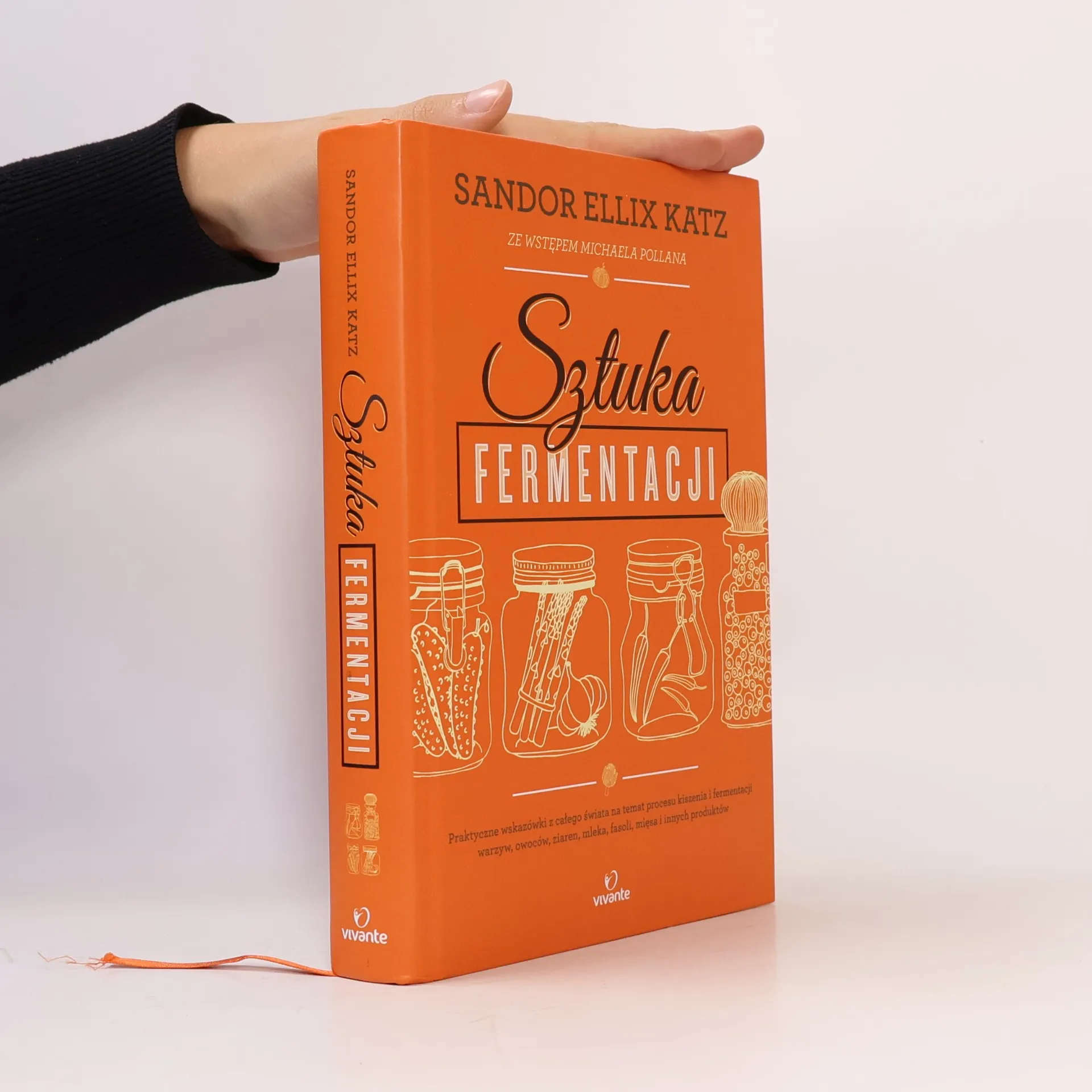
Światowy bestseller i zdobywca prestiżowych nagr�d dla najlepszych książek kulinarnych!Tego lata zwariujemy na punkcie kiszenia wszystkiego, co nawinie się nam pod ręce!Przygotuj się na gorący trend kulinarny, kt�ry podbija magazyny kulinarne, programy śniadaniowe, prestiżowe restauracje i rozpala serca wszystkich tych, kt�rych pasją jest gotowanie.Podsycać atmosferę będzie specjalista w tej dziedzinie, światowy guru fermentacji - Sandor Ellix Katz i polskie wydanie Sztuki fermentacji!Ponad 600 stron unikalnej, gromadzonej przez wiele lat wiedzy o tym, jak ukisić dosłownie każdą jadalną roślinę. Sprawdzone przepisy z całego świata
Wenn Menschen sich das Paradies vorstellen, gleicht es meist einem Garten. Gärten verkörpern Fülle und Fruchtbarkeit, sie sind Orte der Entspannung und der Fantasie. Doch manchmal droht auch hier Ungemach, durchpflügen kleine Nager das so sorgsam geschaffene Idyll, findet der Giersch seinen Weg ins Blumenbeet oder der Frost schaut schon im September vorbei. Mit viel Humor erzählt Michael Pollan aus seinem Leben als Gärtner, von den vielen kleinen Erfolgen und Misserfolgen, von der politischen Dimension des Bäumepflanzens oder Sinn und Unsinn des Rasenmähens. »Meine zweite Natur« ist ein Grenzgänger, eine wunderbare Mischung aus Belletristik, Autobiografie und Kulturgeschichte.
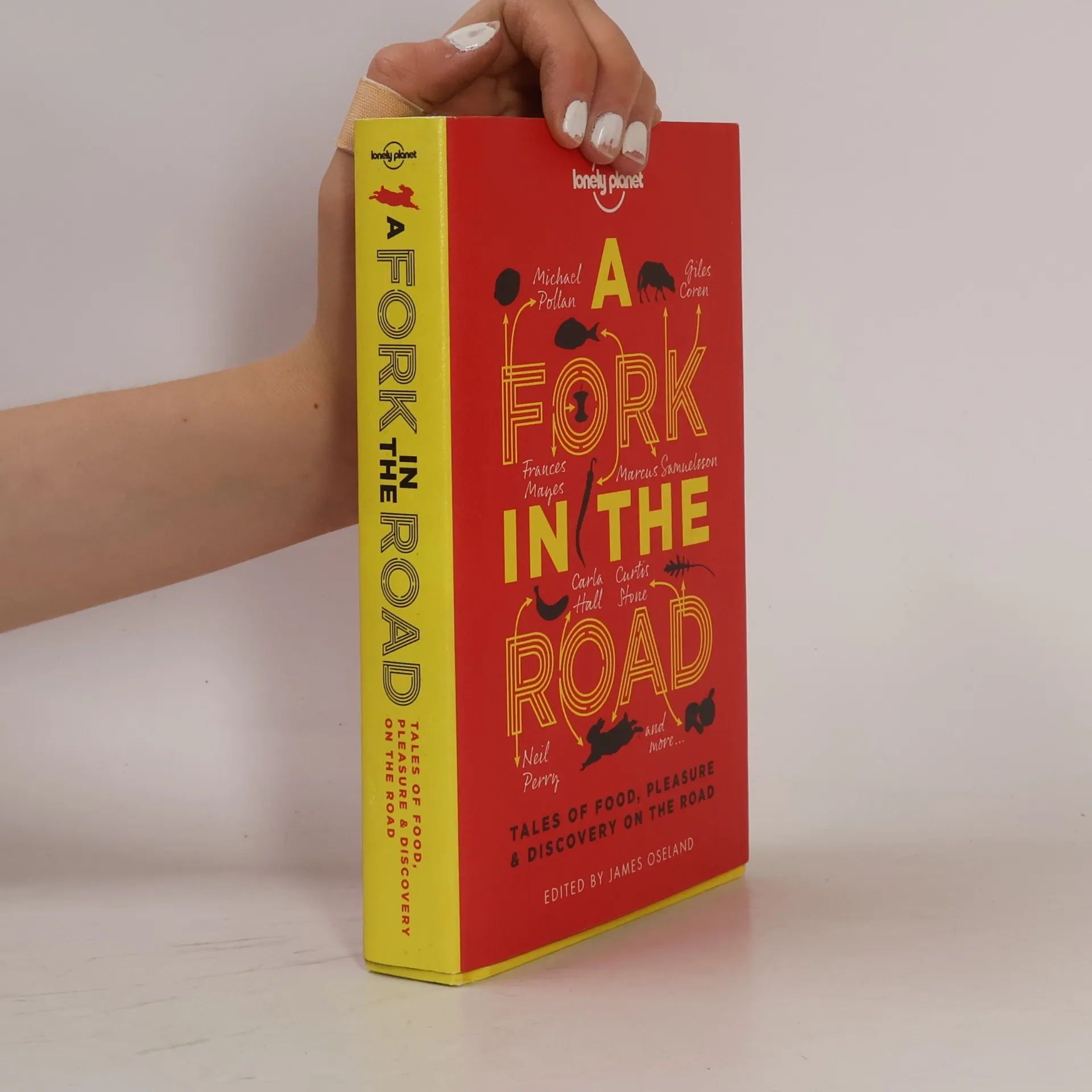
Join us for a 34-course banquet of original stories from food-obsessed writers and chefs sharing transformative food experiences. From the dubious pleasure of a Twinkie to the rhapsody of fish heads and the grandeur of an Indian wedding feast, the meals we share and the company we keep create lasting memories long after the plates are cleared. This collection features contributions from a diverse array of voices, including James Oseland, Frances Mayes, Curtis Stone, Madhur Jaffrey, and many more, each offering unique insights into the profound connections between food, culture, and personal discovery. Tuck in and enjoy the journey through these delectable narratives that celebrate the joy of eating and the stories that unfold around the table. Since 1973, Lonely Planet has established itself as the leading travel media company, providing guidebooks, inspiring travel literature, and digital products that empower travelers to explore both popular destinations and hidden gems, deepening their understanding of the cultures they encounter. Bon appétit!
What shall we have for dinner? Such a simple question has grown to have a very complicated answer. We can eat almost anything nature has to offer, but deciding what we should eat stirs anxiety. Should we choose the organic apple or the conventional? If organic, local or imported? Wild fish or farmed? Low-carb or low-cal? As the American culture of fast food and unlimited choice invades the world, Pollan follows his next meal from land to table, tracing the origin of everything consumed and the implications for ourselves and our planet. His astonishing findings will shock all who care about what they put on their plate.
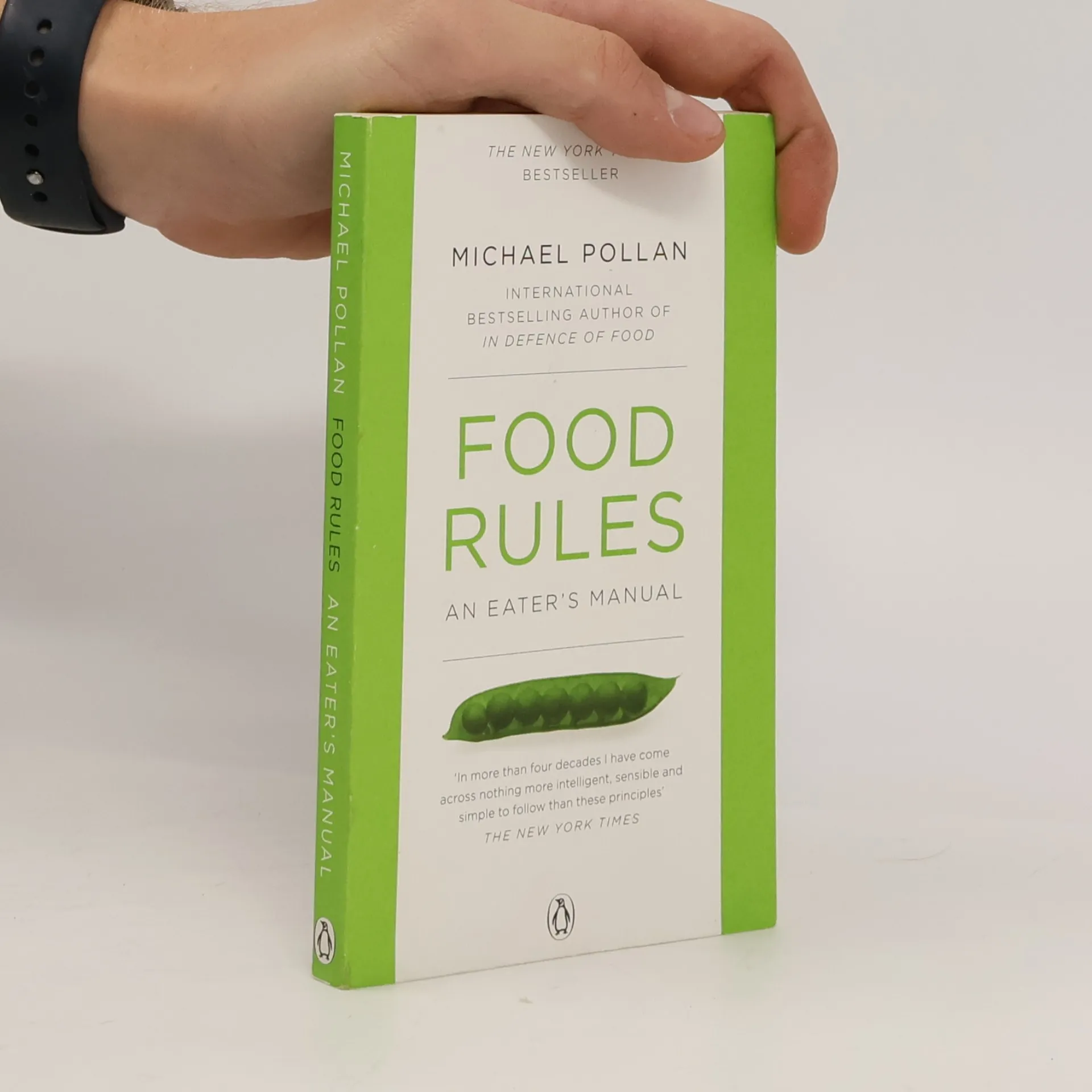
Eat food. Mostly plants. Not too much. Using those seven words as his guide, Michael Pollan offers this indispensable handbook for anyone concerned about health and food. Simple, sensible and easy to use, Food Rules is a set of memorable adages or 'personal policies' for eating wisely, gathered from a wide variety of sources: mothers, grandmothers, nutritionists, anthropologists and ancient cultures among them. Whether at the supermarket, a restaurant or an all-you-can-eat buffet, this handy, pocket-size resource is the perfect manual for anyone who would like to become more mindful of the food we eat.
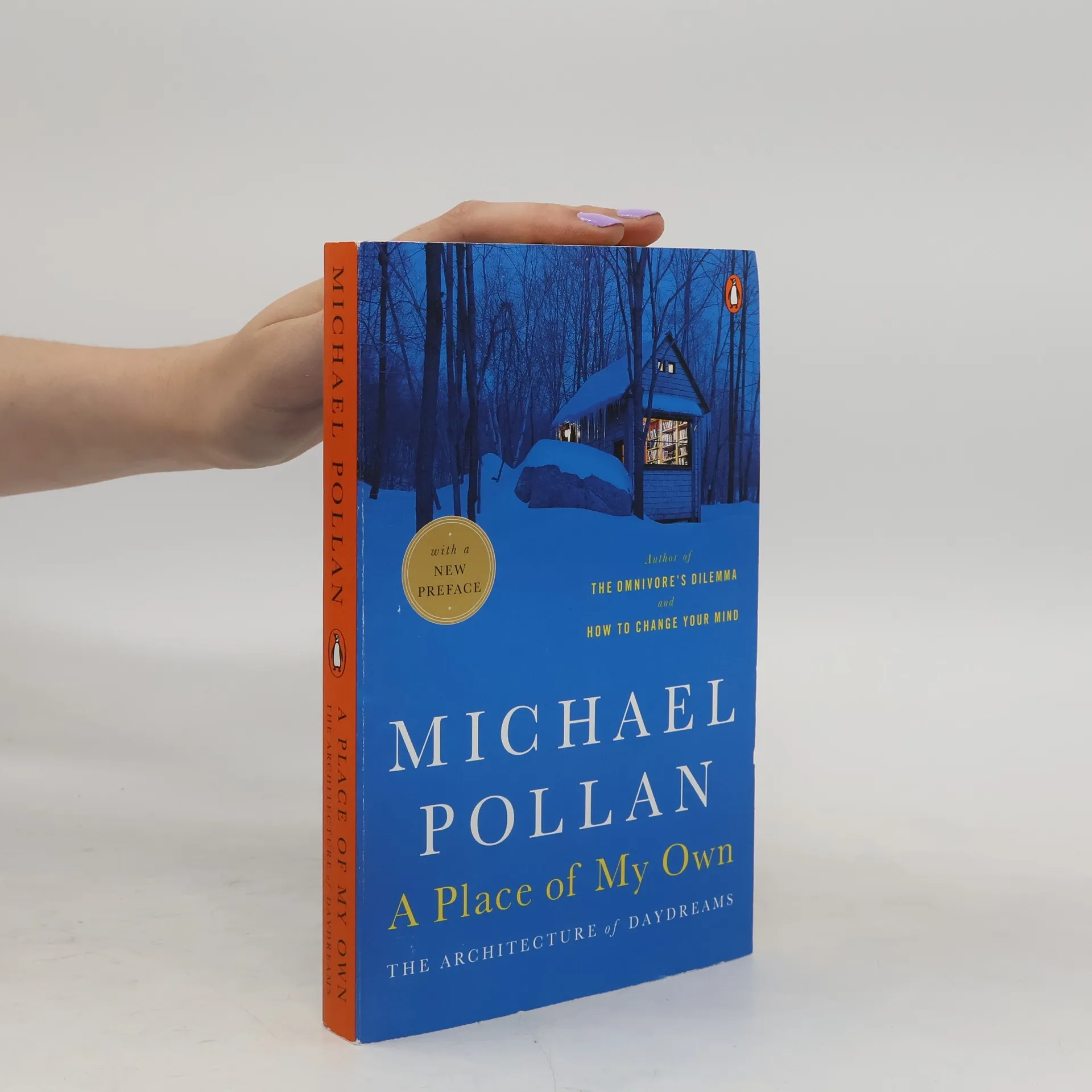
Michael Pollan's unmatched ability to draw lines of connection between our everyday experiences--whether eating, gardening, or building--and the natural world has been the basis for the popular success of his many works of nonfiction, including the genre-defining bestsellers The Omnivore's Dilemma and In Defense of Food . With this updated edition of his earlier book A Place of My Own , readers can revisit the inspired, intelligent, and often hilarious story of Pollan's realization of a room of his own--a small, wooden hut, his "shelter for daydreams"--built with his admittedly unhandy hands. Inspired by both Thoreau and Mr. Blandings, A Place of My Own not only works to convey the history and meaning of all human building, it also marks the connections between our bodies, our minds, and the natural world. Coming from The Penguin Press in 2013, Michael Pollan’s newest book Cooked: A Natural History of Transformation --the story of our most trusted food expert’s culinary education
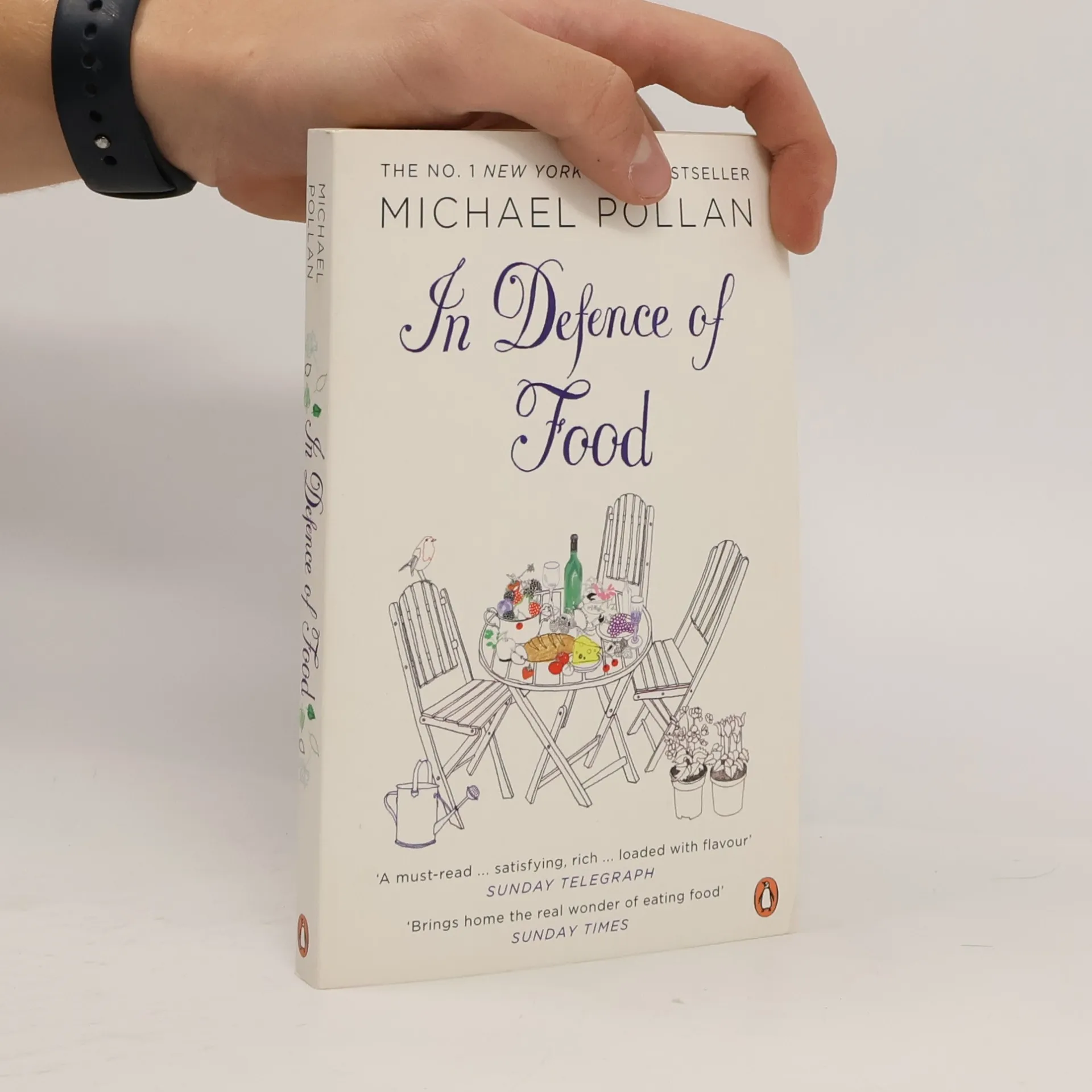
"Eat food. Not too much. Mostly plants." These simple words go to the heart of Michael Pollan's In Defence of Food. Humans used to know how to eat well, Pollan argues. But the balanced dietary lessons that were once passed down through generations have been confused, complicated, and distorted by food industry marketers, nutritional scientists, and journalists- all of whom have much to gain from our dietary confusion. Indeed, real food is fast disappearing from the marketplace, to be replaced by "nutrients," and plain old eating by an obsession with nutrition that is, paradoxically, ruining our health, not to mention our meals. Michael Pollan's bracing and eloquent manifesto shows us how we might start making thoughtful food choices that will enrich our lives and our palates and enlarge our sense of what it means to be healthy.
The first book to reveal the undiscovered jewels of Southeast Asian cuisine.
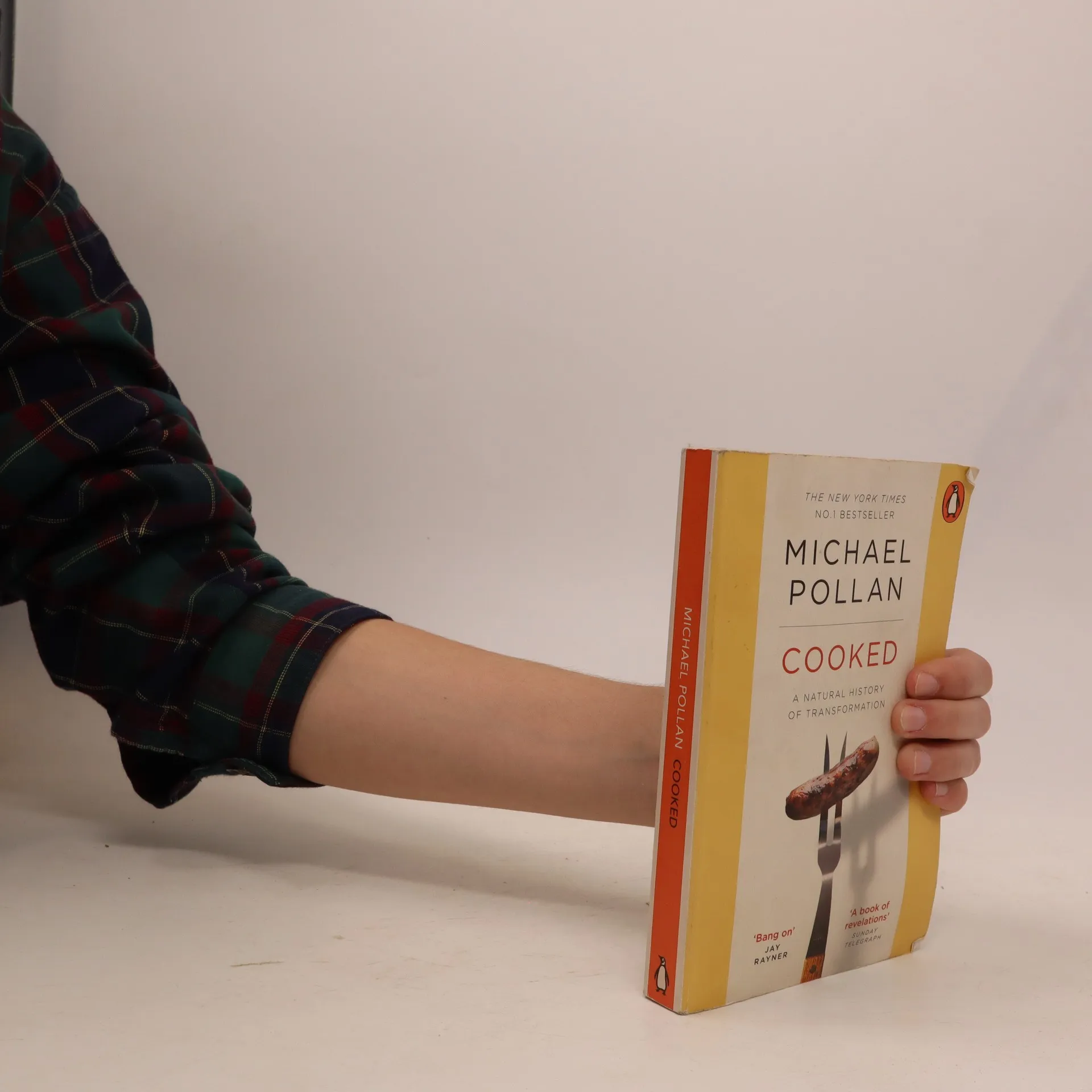
Extraordinary stories of transformation in a quest to uncover the fundamentals of cooking - from writer and cooking star Michael PollanMichael Pollan's Cooked takes us back to basics and first principles: cooking with fire, with water, with air and with earth. Meeting cooks from all over the world, who share their wisdom and stories, Pollan shows how cooking is at the heart of our culture and that when it gets down to it, it also fundamentally shapes our lives. Filled with fascinating facts and curious, mouthwatering tales from cast of eccentrics, Cooked explores the deepest mysteries of how and why we cook.
Da dove vengono i cibi che ingeriamo? Che cosa stiamo mangiando davvero? Michael Pollan decide di improvvisarsi ''detective del cibo'' per conoscere l'evoluzione e i segreti nascosti dietro quello che si mangia, dal seme al frutto, dalla storia del ''cibo con una faccia'' alla carne lavorata e anatomicamente irriconoscibile. Inizia così una ricerca che lo porta a conoscere varie realtà, dalla produzione industriale a quella dei produttori diretti. Fast food, supermercati, fabbriche, macelli e piccole fattorie diventeranno il terreno della sua instancabile marcia verso la consapevolezza. In questo viaggio pieno di scoperte ma anche di incertezze, Pollan dovrà affrontare molte esperienze che lo metteranno a dura prova, dovrà combattere e accettare compromessi, dovrà forzare la sua indole e imparare a cacciare e a uccidere per nutrirsi. Alla fine però ritroverà la strada di un rapporto diverso con madre natura e sarà in grado di scegliere come comprare, cucinare e mangiare. La sua ricerca si conclude con un menù a quattro portate dove finalmente quello che c'è nel piatto non è più un dilemma ma la storia appena raccontata.
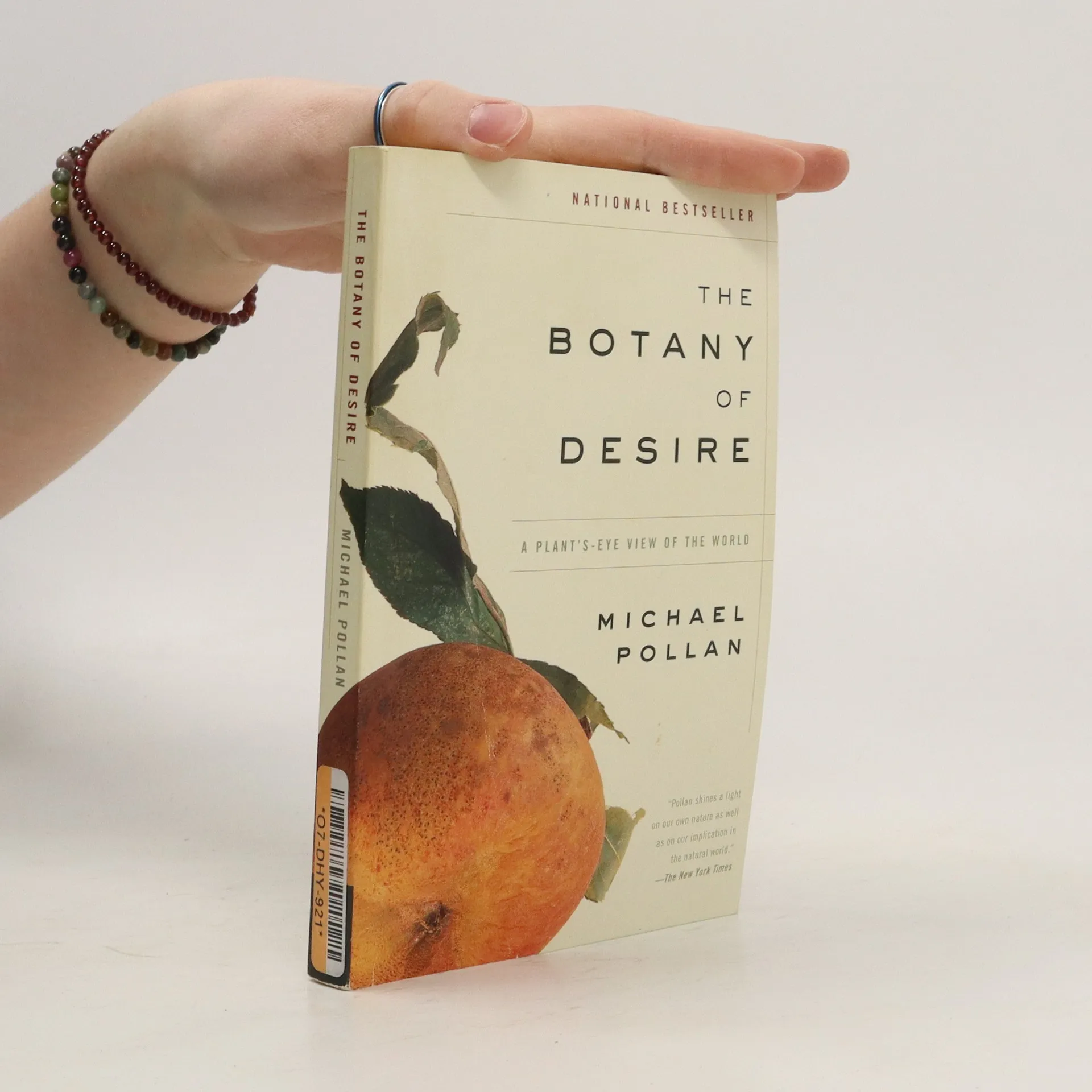
“Pollan shines a light on our own nature as well as on our implication in the natural world.” —The New York Times “A wry, informed pastoral.” —The New Yorker The book that helped make Michael Pollan, the New York Times bestselling author of How to Change Your Mind, Cooked and The Omnivore’s Dilemma, one of the most trusted food experts in America Every schoolchild learns about the mutually beneficial dance of honeybees and flowers: The bee collects nectar and pollen to make honey and, in the process, spreads the flowers’ genes far and wide. In The Botany of Desire, Michael Pollan ingeniously demonstrates how people and domesticated plants have formed a similarly reciprocal relationship. He masterfully links four fundamental human desires—sweetness, beauty, intoxication, and control—with the plants that satisfy them: the apple, the tulip, marijuana, and the potato. In telling the stories of four familiar species, Pollan illustrates how the plants have evolved to satisfy humankind’s most basic yearnings. And just as we’ve benefited from these plants, we have also done well by them. So who is really domesticating whom?
Natural Gardening is the invaluable inspiration and resource for every gardener - whether beginner or seasoned enthusiast - who wishes to combine the joys of cultivation with the rewards of attracting wildlife.