

Bookbot

Mike Mitchell

    Diario di guerra
    In Matto's Realm
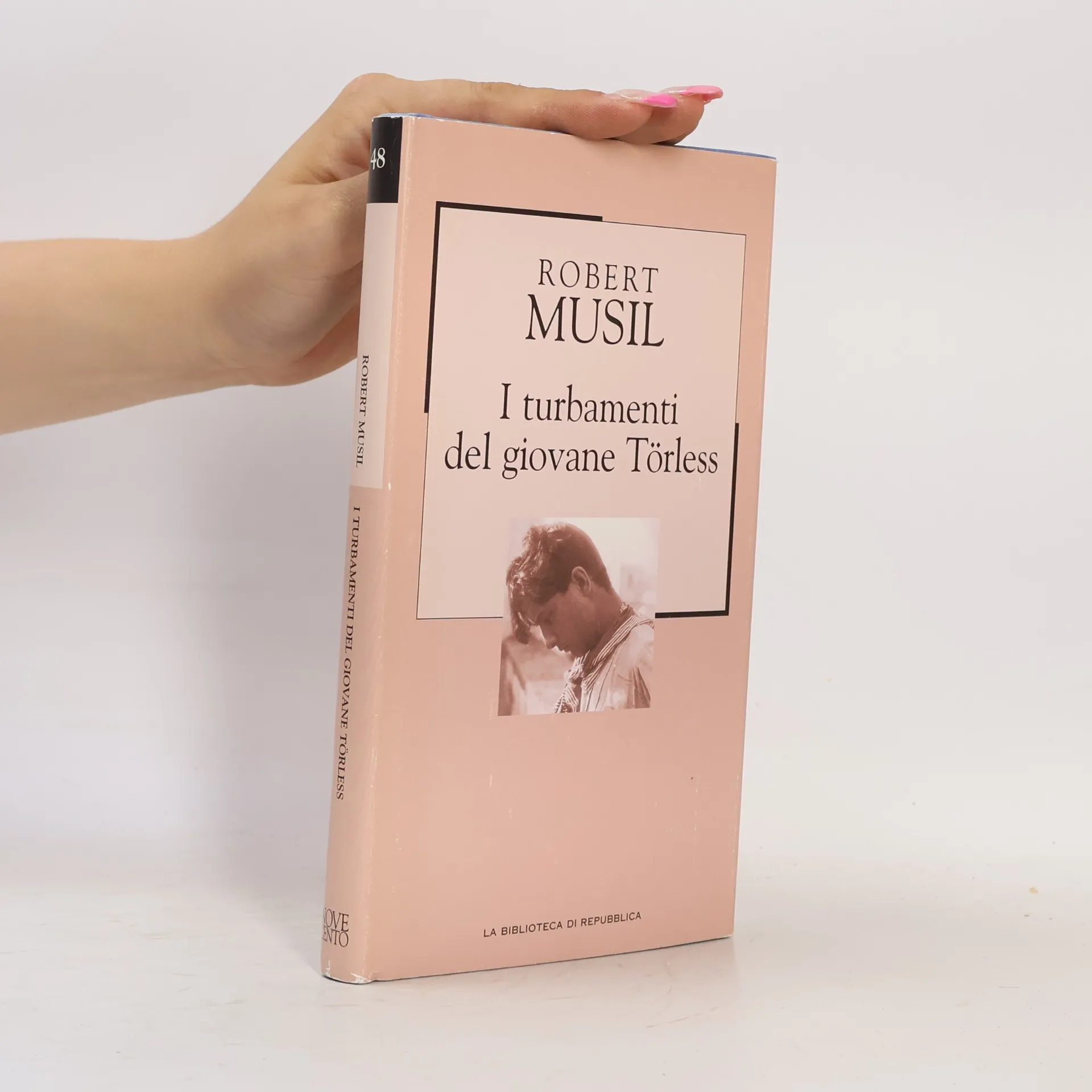
    Il giovane Törless
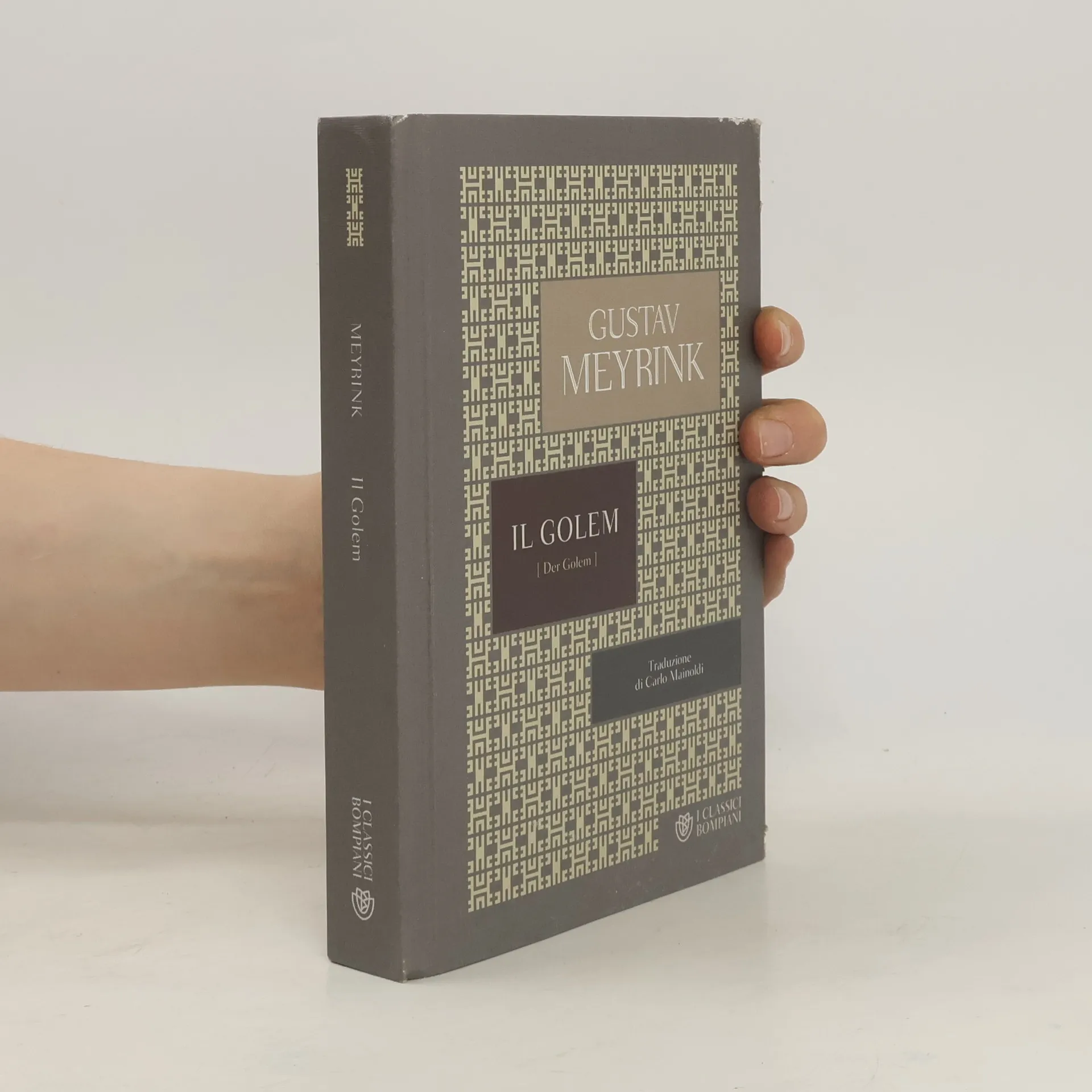
    I Classici Bompiani: Il Golem
    • I Classici Bompiani: Il Golem

      • 320pagine
      • 12 ore di lettura

      First published in serial form as Der Golem in the periodical Die weissen Blätter in 1913–14, The Golem is a haunting Gothic tale of stolen identity and persecution, set in a strange underworld peopled by fantastical characters. The red-headed prostitute Rosina; the junk-dealer Aaron Wassertrum; puppeteers; street musicians; and a deaf-mute silhouette artist. Lurking in its inhabitants’ subconscious is the Golem, a creature of rabbinical myth. Supposedly a manifestation of all the suffering of the ghetto, it comes to life every 33 years in a room without a door. When the jeweller Athanasius Pernath, suffering from broken dreams and amnesia, sees the Golem, he realises to his terror that the ghostly man of clay shares his own face. . . . The Golem, though rarely seen, is central to the novel as a representative of the ghetto's own spirit and consciousness, brought to life by the suffering and misery that its inhabitants have endured over the centuries. Perhaps the most memorable figure in the story is the city of Prague itself, recognisable through its landmarks such as the Street of the Alchemists and the Castle.

      I Classici Bompiani: Il Golem
      3,9
    • Il giovane Törless

      • 181pagine
      • 7 ore di lettura

      Robert Musil, ingegnere, letterato, filosofo, psicologo, fu l'ultimo grande figlio della vecchia Europa, agonizzante fra la Prima guerra mondiale e la celebrazione del nazifascismo. Nel suo primo romanzo, "II giovane Törless", i turbamenti di un adolescente diventano lo specchio impietoso e seducente di un crollo: quello delle sicurezze ottocentesche, dei valori borghesi e della certezza scientifica.

      Il giovane Törless
      3,8
    • In Matto's Realm

      A Sergeant Studer Mystery

      • 334pagine
      • 12 ore di lettura

      Set in an insane asylum, this second installment of the Studer mystery series revolves around the murder of the asylum's director. The story unfolds in a European classic style, blending suspense and psychological intrigue as the investigation reveals dark secrets hidden within the institution. The unique setting and complex characters contribute to a gripping narrative that explores themes of madness and morality.

      In Matto's Realm
      3,8
    • Diario di guerra

      • 132pagine
      • 5 ore di lettura

      La scrittrice austriaca Ingeborg Bachmann (1926-73) è una figura chiave nella letteratura tedesca del dopoguerra, nota per i suoi romanzi, poesie e opere teatrali. Il suo Diario di guerra è una raccolta di schizzi piuttosto che un diario tradizionale, che riflette gli ultimi mesi della Seconda Guerra Mondiale e l'inizio dell'occupazione britannica in Austria. Queste potenti annotazioni, notevoli per la sua giovane età, esprimono il suo profondo disprezzo per la guerra e il nazismo mentre naviga nel fervente nazionalismo di Klagenfurt. L'occupazione britannica la introduce a Jack Hamesh, un ufficiale britannico e rifugiato ebreo di Vienna, sorpreso di incontrare un'austriaca familiare con autori banditi come Mann e Schnitzler. La loro corrispondenza, in particolare le lettere di Hamesh a Bachmann durante il suo soggiorno in Israele nel 1946, rivela le sue difficoltà con la mancanza di radici dopo la guerra. Diario di guerra offre una prospettiva unica sullo sviluppo di Bachmann come scrittrice e serve come una riflessione toccante sulla vita nell'Austria del dopoguerra. Le intuizioni di Bachmann e Hamesh si estendono oltre le loro narrazioni personali, toccando temi più ampi di perdita e recupero.

      Diario di guerra
      3,4