

Harry Caray dominated the airwaves, commanded our attention, sparked interest, and generated controversy. Holy Cow St. Louis! celebrates the early days of radio, chronicles Harry's career, and documents his successes and failures in the city he called home for nearly six decades. "Harry Caray could make a foul ball sound exciting." Don Fischer, Indiana University broadcaster.
Target exam success with My Revision Notes. Our updated approach to revision
will help you learn, practise and apply your skills and understanding.
Coverage of key content is combined with practical study tips and effective
revision strategies to create a guide you can rely on to build both knowledge
and confidence.
In a gripping tale of survival and unlikely alliances, characters find themselves in a perilous situation where lives hang in the balance. Faced with the choice of risking everything to save others, they must confront their deepest fears and moral dilemmas. As the plot unfolds, former enemies may hold the key to escape, challenging the protagonists to navigate trust and betrayal in a high-stakes environment. This story explores themes of courage, redemption, and the complexities of human relationships under duress.
The narrative explores the lives of individuals dedicated to guiding others in decision-making, whose own lives unravel amidst personal turmoil and challenges. Set against the backdrop of a jungle in Southern Mexico, the story juxtaposes their professional expertise with the chaos they face at home, highlighting themes of conflict, resilience, and the complexity of human choices.
Strengthen students' understanding of key AQA GCSE topics and develop the
vital skills required to attain the best results possible in the exams, with
this expert-written Student Workbook.
Association for Citizenship Teaching Quality Mark resource. This brand-new,
up-to-date textbook, designed by the market leading Citizenship publisher,
will help students fulfil their potential in the AQA GCSE (9-1) Citizenship
Studies specification.
Branch Rickey's influence on the St. Louis Cardinals transformed the franchise from a struggling team into a powerhouse, winning nine pennants and six World Series titles between 1926 and 1946. While often associated with his role in the integration of baseball through Jackie Robinson, Rickey's pioneering work with the Cardinals is equally significant. This narrative not only highlights Rickey's contributions but also celebrates the remarkable players and executives who shaped the team's legacy, showcasing a rich history of baseball in St. Louis.
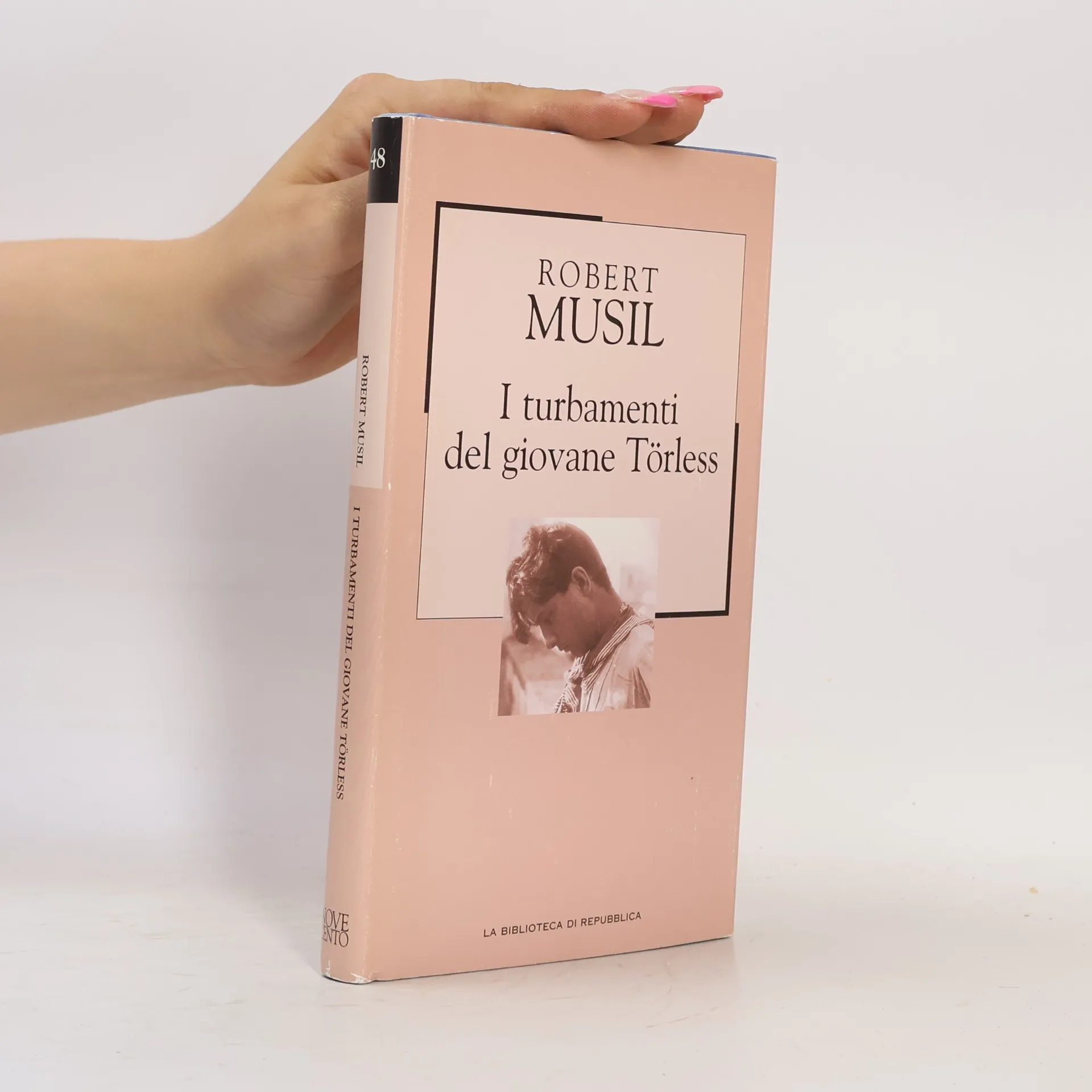
Scritto nel 1906 e considerato il romanzo di esordio di Musil, la storia, di ispirazione autobiografica, narra attrverso crudi episodi sadomasochistici e avventure intellettuali, il momento di passaggio dall'adolescenza alla virilità nella crisi della società mitteleuropea. Come scrisse lo stesso Musil, in quest'opera risiede la chiave dell' Uomo senza qualità : l'assenza di sentimento, di morale e di "esperienze" di Törless, lo rende nostalgico, vuoto. Parabola di profonda attualità, nei tratti psicologici del giovane protagonista si delinea il fiero e consapevole rifiuto di un patrimonio di valori svalutato, paragonabile al vuoto "ideologico" e alla noia esistenziale di molti giovani di oggi.
Set in an insane asylum, this second installment of the Studer mystery series revolves around the murder of the asylum's director. The story unfolds in a European classic style, blending suspense and psychological intrigue as the investigation reveals dark secrets hidden within the institution. The unique setting and complex characters contribute to a gripping narrative that explores themes of madness and morality.
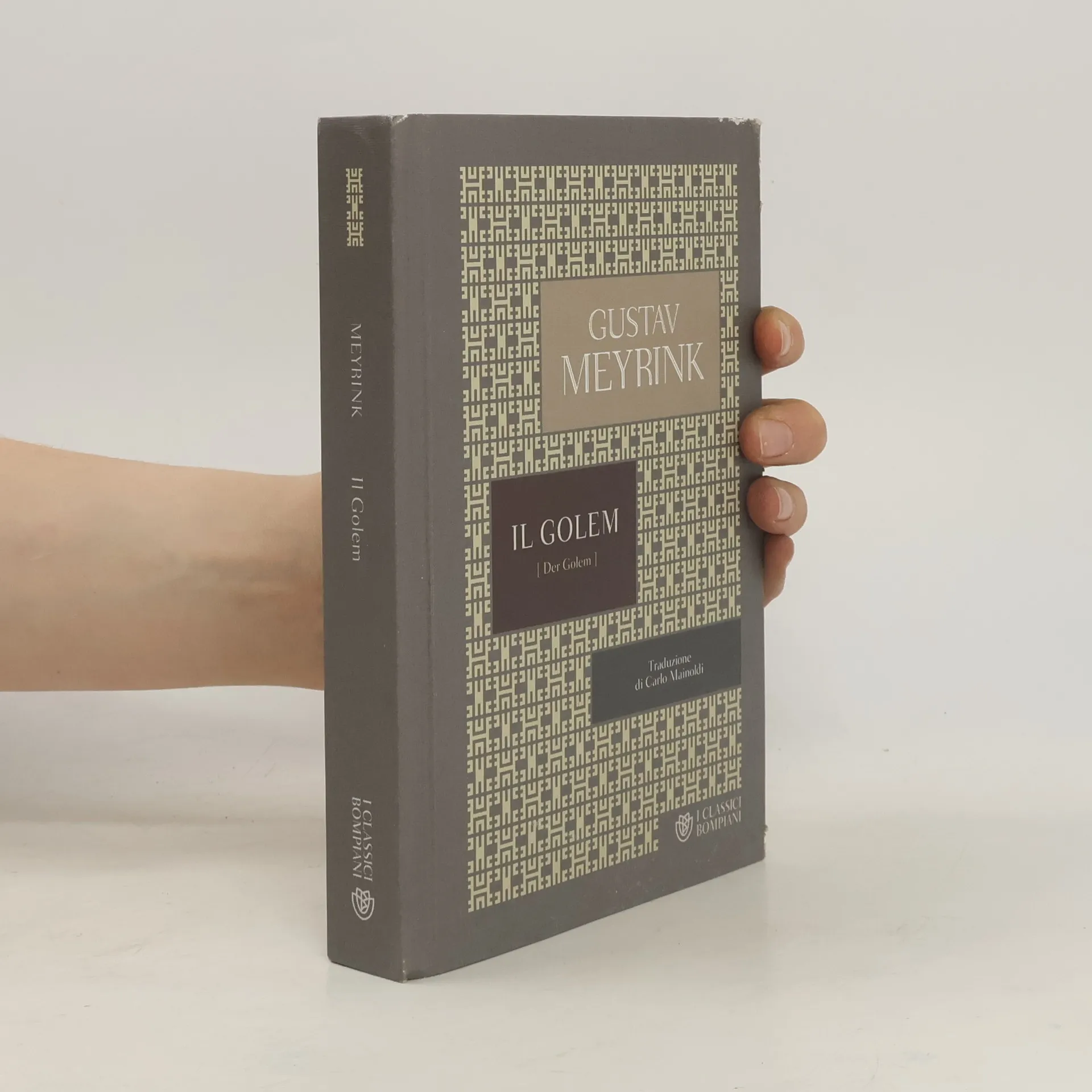
First published in serial form as Der Golem in the periodical Die weissen Blätter in 1913–14, The Golem is a haunting Gothic tale of stolen identity and persecution, set in a strange underworld peopled by fantastical characters. The red-headed prostitute Rosina; the junk-dealer Aaron Wassertrum; puppeteers; street musicians; and a deaf-mute silhouette artist. Lurking in its inhabitants’ subconscious is the Golem, a creature of rabbinical myth. Supposedly a manifestation of all the suffering of the ghetto, it comes to life every 33 years in a room without a door. When the jeweller Athanasius Pernath, suffering from broken dreams and amnesia, sees the Golem, he realises to his terror that the ghostly man of clay shares his own face. . . . The Golem, though rarely seen, is central to the novel as a representative of the ghetto's own spirit and consciousness, brought to life by the suffering and misery that its inhabitants have endured over the centuries. Perhaps the most memorable figure in the story is the city of Prague itself, recognisable through its landmarks such as the Street of the Alchemists and the Castle.