

George Szirtes Libri
George Szirtes è un acclamato poeta e traduttore la cui opera è profondamente plasmata dalle sue esperienze di rifugiato dall'Ungheria. La sua poesia esplora spesso temi di identità, memoria e sradicamento culturale con un occhio attento ai dettagli e un forte senso del ritmo. Lo stile distintivo di Szirtes fonde la riflessione personale con indagini filosofiche più ampie, offrendo ai lettori esplorazioni avvincenti e perspicaci. Il suo esteso lavoro di traduzione dall'ungherese ha arricchito il panorama letterario, dimostrando una profonda comprensione della poesia attraverso le lingue.

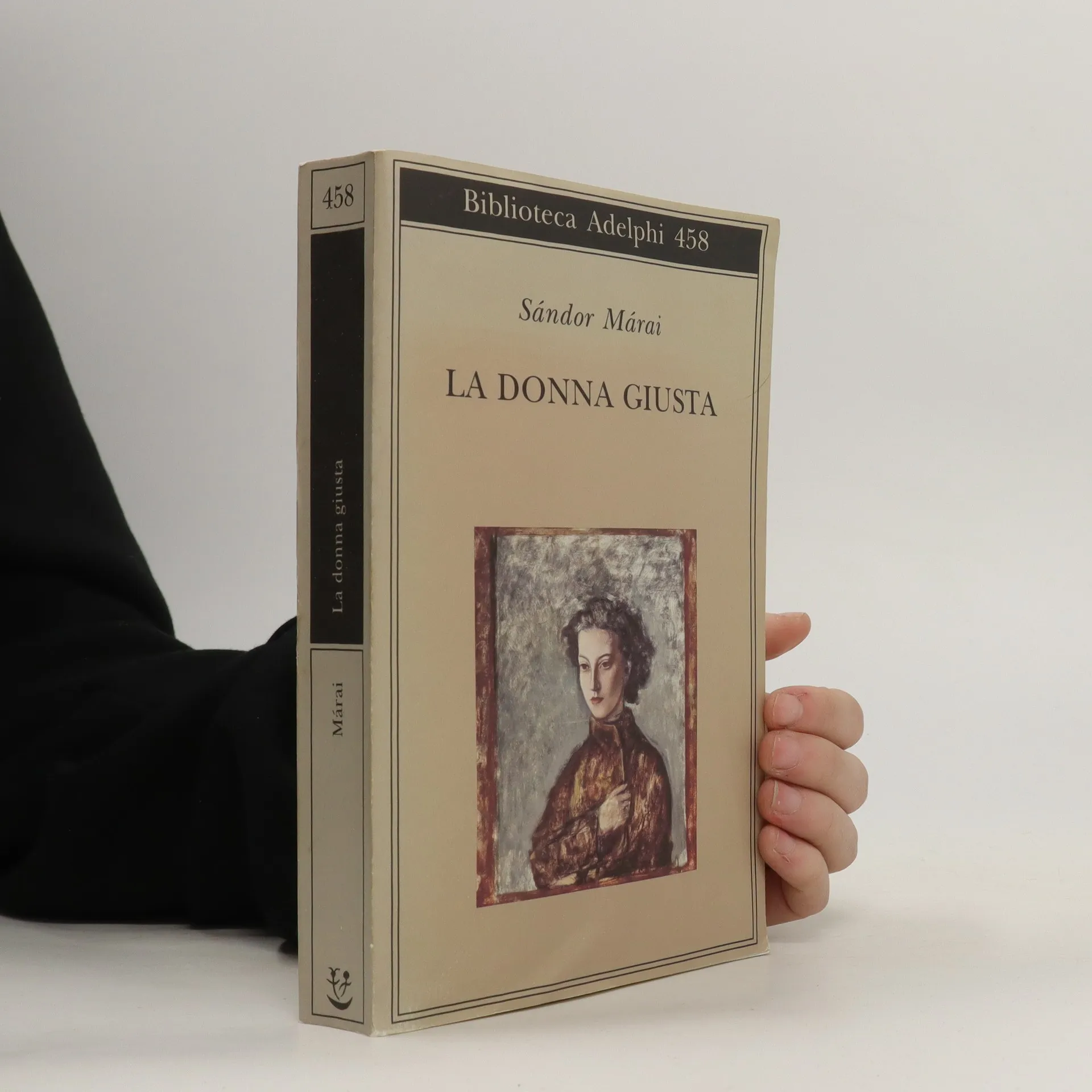
La donna giusta
- 444pagine
- 16 ore di lettura
In una caffetteria di Budapest, Ilonka racconta a un'amica la storia del suo matrimonio fallito, ricordando l'inutilità del suo sforzo per conquistare l'anima del suo ex-marito, affascinato fin dalla giovinezza da Judit, una semplice serva. Successivamente, in un'atmosfera tesa di un caffè, Péter, l'ex-marito di Ilonka, narra a un amico la sua versione della separazione. Trenta anni dopo, in un letto di un hotel a Roma, Judit parla al suo nuovo fidanzato, un musicista, della sua unione fallita con Péter, condannata fin dall'inizio dal profondo risentimento e dalle restrizioni imposte al suo compagno, nobile per eredità. Infine, a New York, un batterista di cabaret, ultimo confidente di Judit, critica aspramente la dittatura della società dei consumi, responsabile della fine del sogno americano. Scritto nel corso di quattro decenni e attraverso le voci di quattro narratori, il romanzo disseziona i conflitti dell'amore e del matrimonio, rivelando i retroscena della borghesia decadente dell'Europa Centrale tra le due guerre mondiali.
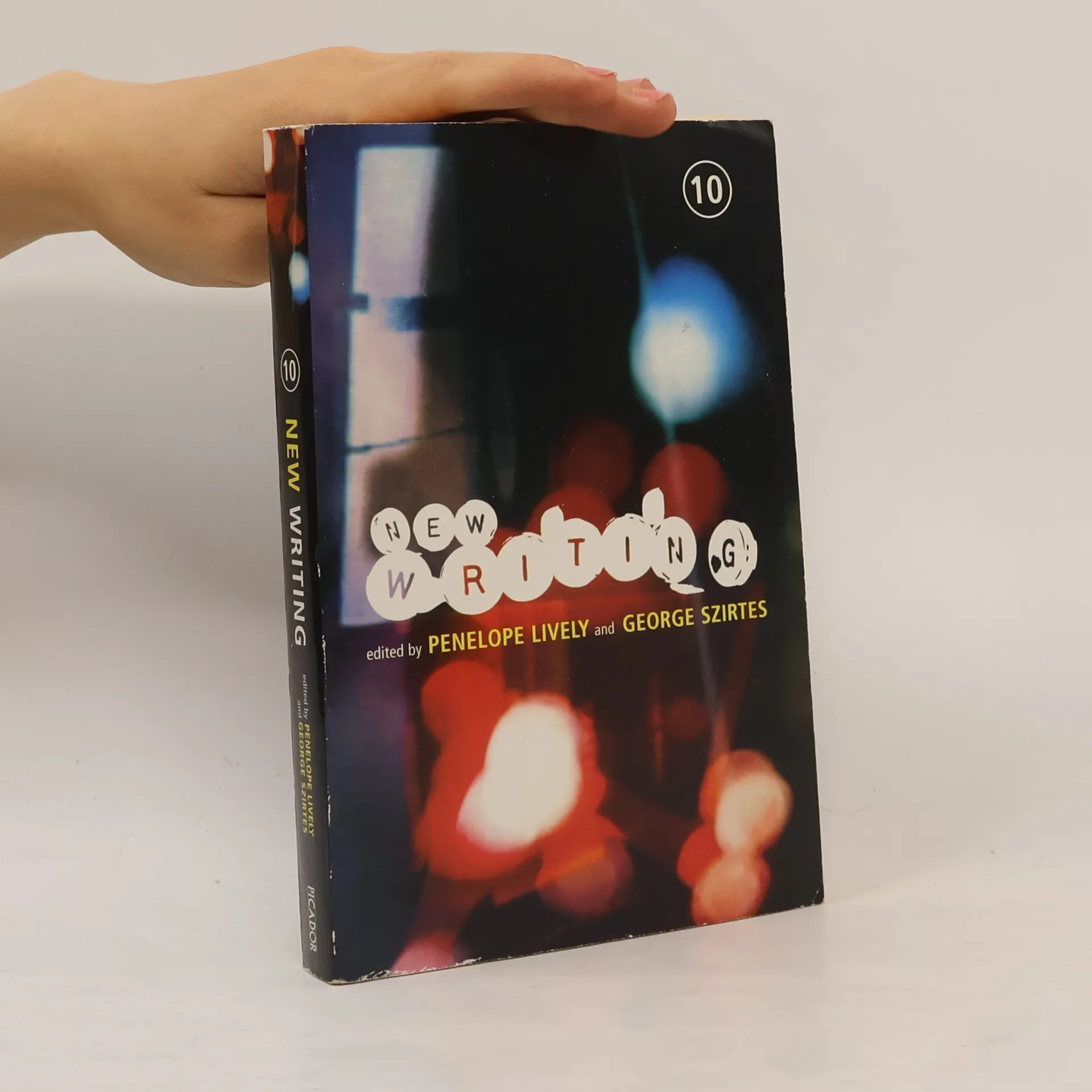
This anthology of new writing promotes contemporary literature of the English language from Britain and the rest of the Commonwealth. It contains new names among older, recognizable names and includes short stories, poems, novels in progress and short fiction.
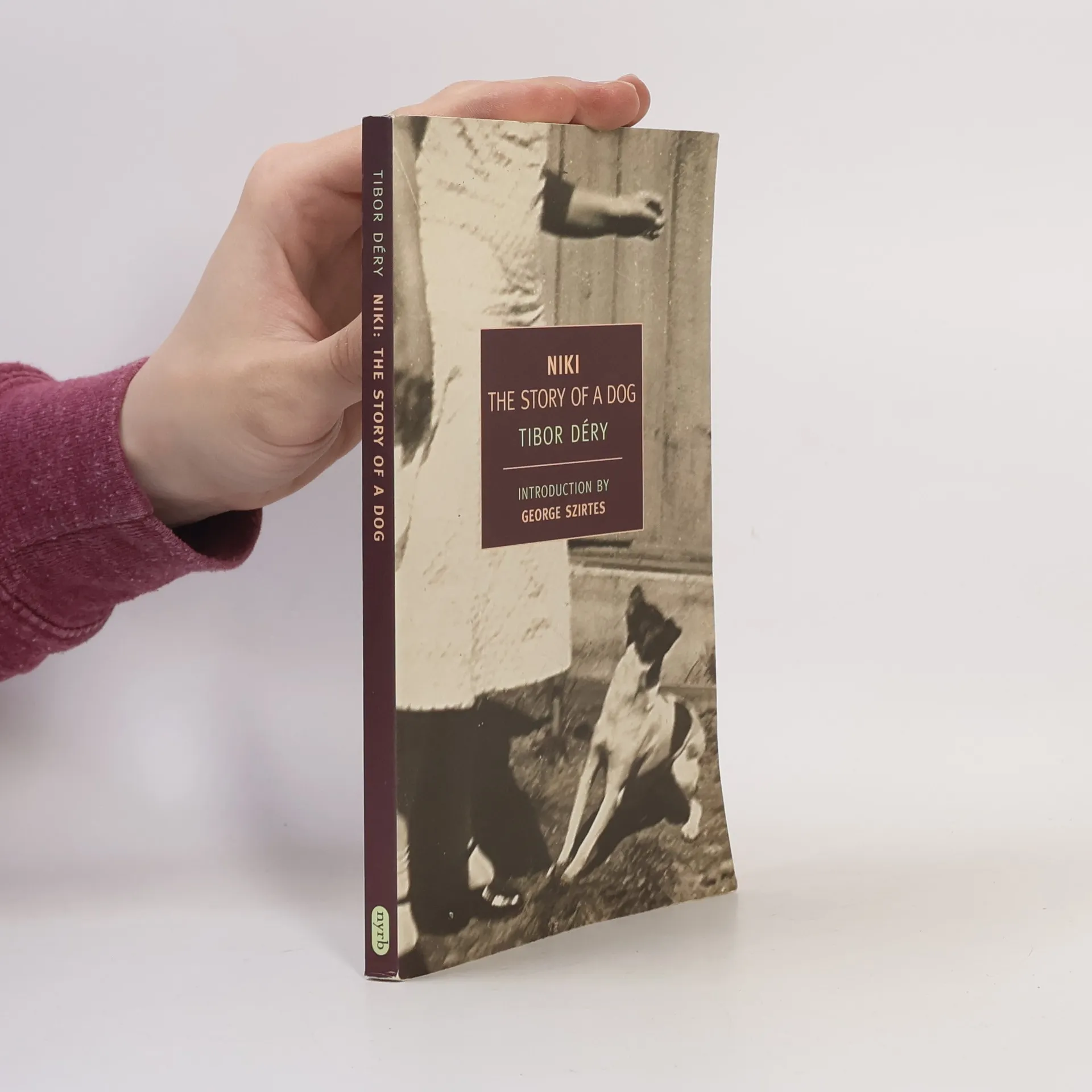
“The Dog adopted the Ancsas in the spring of ’48”: so the story begins. The Ancsas are a middle-aged couple living on the outskirts of Budapest in a ruinous Hungary that is just beginning to wake up from the nightmare of World War II. The new Communist government promises to set things straight, and Mr. Ancsa, an engineer, is as eager to get to work building the future as he is to forget the past. The last thing he has time for is a little mongrel bitch, pregnant with her first litter. But Niki knows better, and before long she is part of the Ancsa household. The Ancsas even take her along with them when Mr. Ancsa’s new job requires a move to an apartment in the city. Then Mr. Ancsa is swept up in a political crackdown—disappearing without a trace. For five years he does not return, five years of absence, silence, fear, and the constant struggle to survive—five years during which Mrs. Ancsa and Niki have only each other. The story of Niki, an ordinary dog, and the Ancsas, a no less ordinary couple, is an extraordinarily touching, utterly unsentimental, parable about caring, kindness, and the endurance of love.
La recita di Bolzano
- 264pagine
- 10 ore di lettura
«Un gentiluomo di Venezia!» si presenta alla Locanda del Cervo, con abiti stracciati e macchiati di sangue, portando solo il suo pugnale e la sua audacia: è Giacomo Casanova. Dopo la rocambolesca fuga dai Piombi, potrebbe tornare alla sua vita libertina tra le corti d’Europa, ma sorprendentemente si trattiene a Bolzano, una città che gli è «maledettamente estranea». Qui ha un appuntamento con il destino. Casanova, uomo che cerca di placare la propria sete in modi diversi, sta per incontrare l’Unica: l’unica donna che ha amato, capace di offrirgli la pienezza di vita che solo l’amore può dare. Per lei, accetterà un ingaggio bizzarro e difficile: rappresentare, in una sola notte, tutti i furori e i disinganni della passione. Tuttavia, durante la messinscena, accade qualcosa di imprevisto. Giacomo sa bene che «l’Unica rimane tale soltanto finché è ricoperta dai veli misteriosi e dai drappi segreti del desiderio e della nostalgia». Giocato tra melodramma e opera buffa, il racconto, pubblicato a Budapest nel 1940, è la terza variazione romanzesca del grande scrittore ungherese sulla passione amorosa, accanto a Braci e L’Eredità di Eszter.