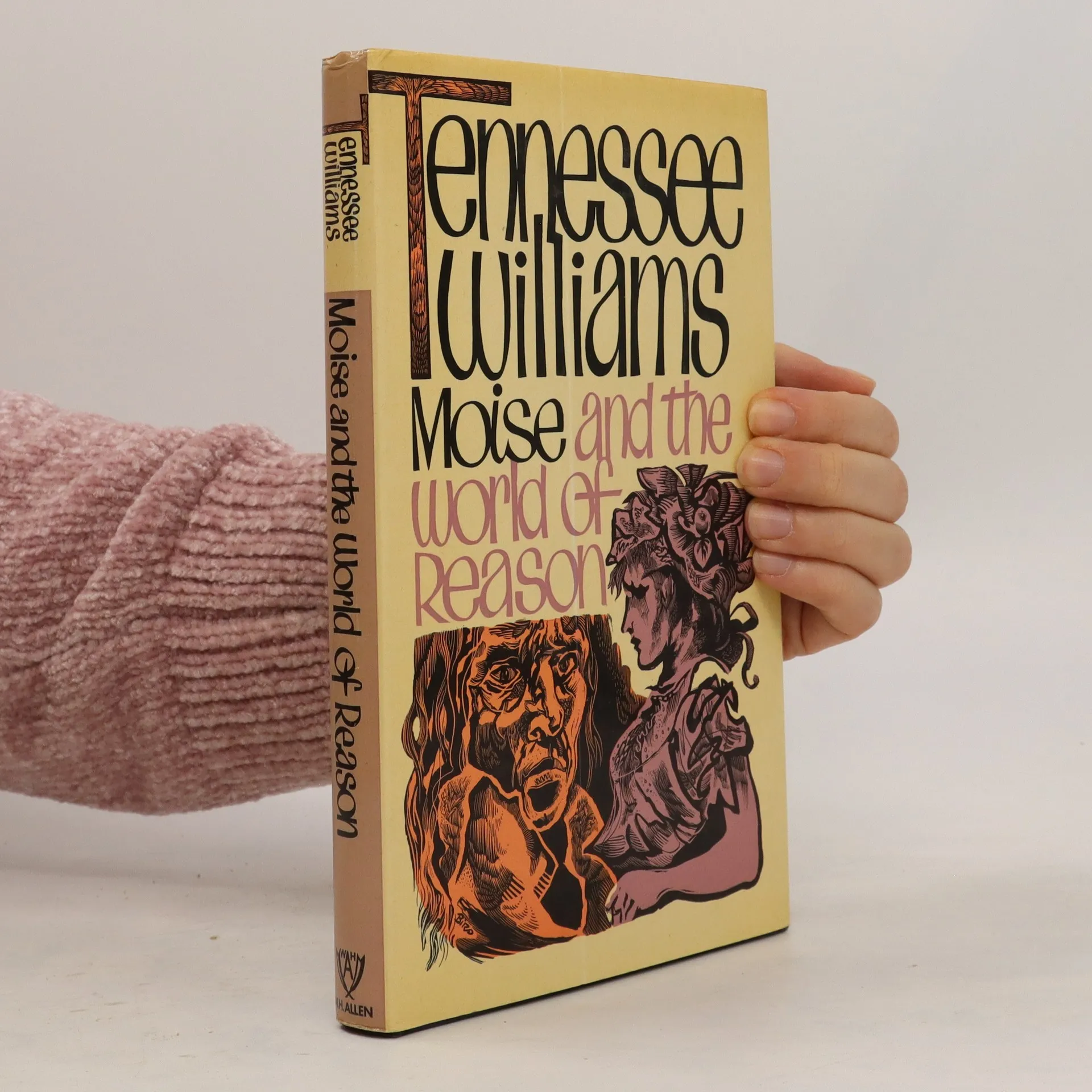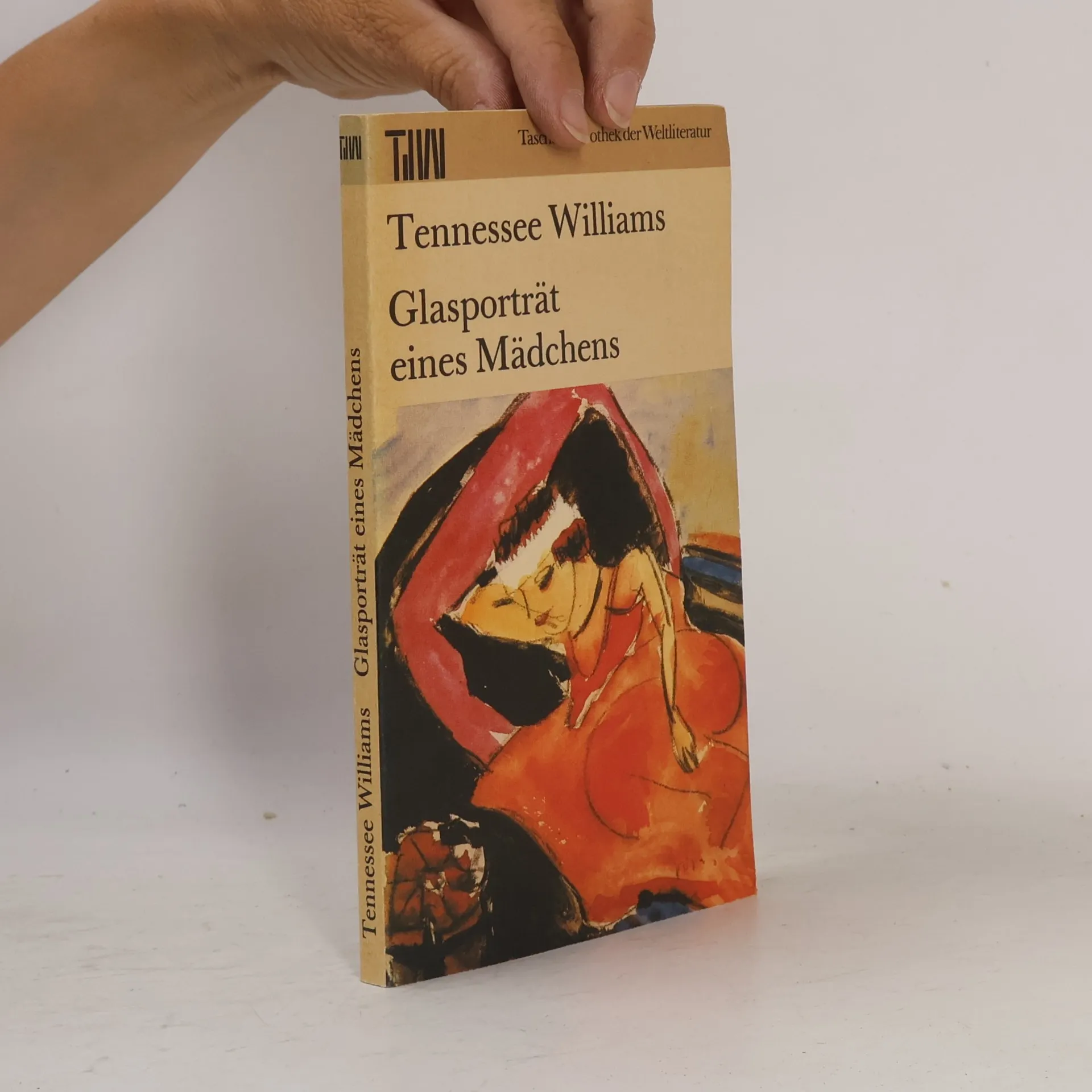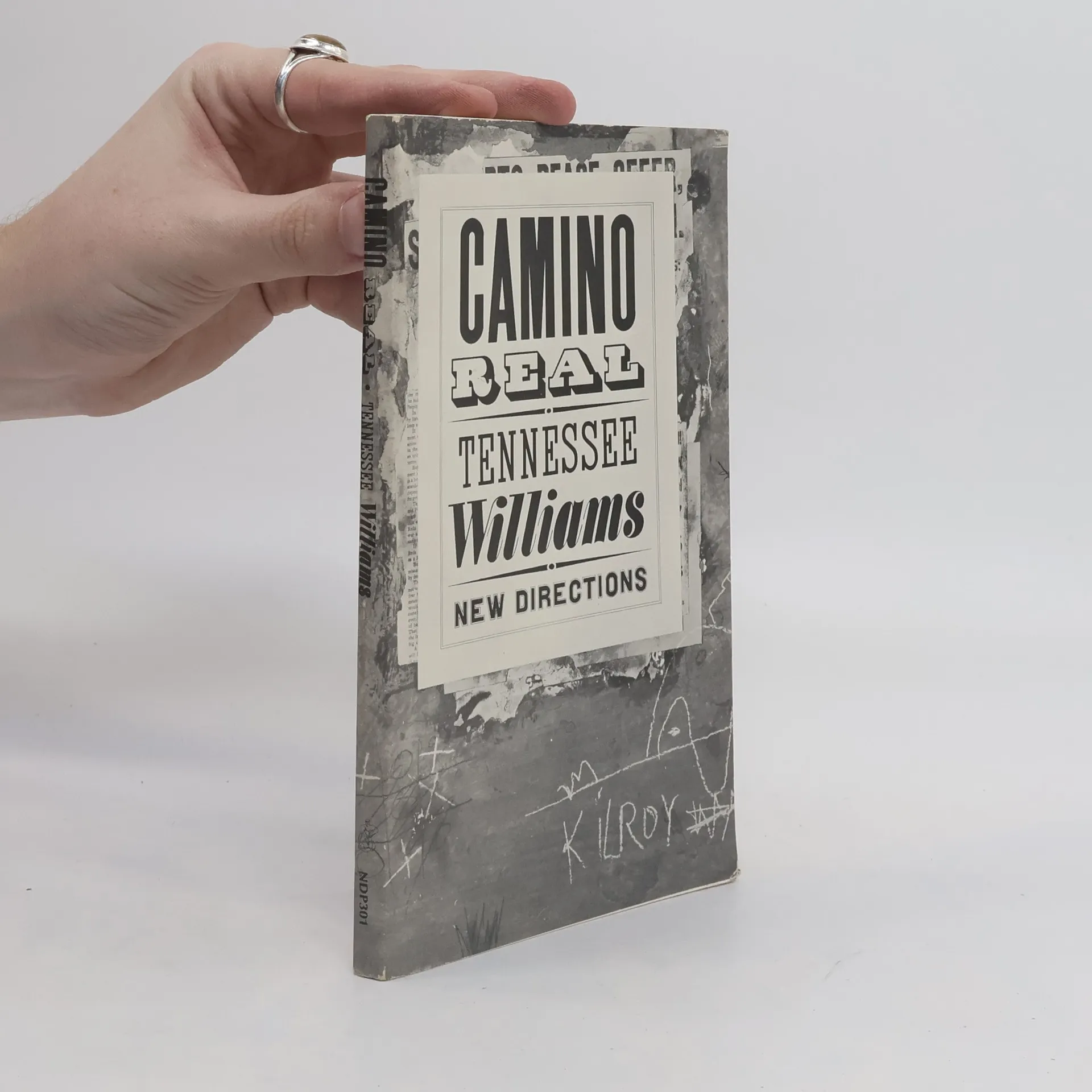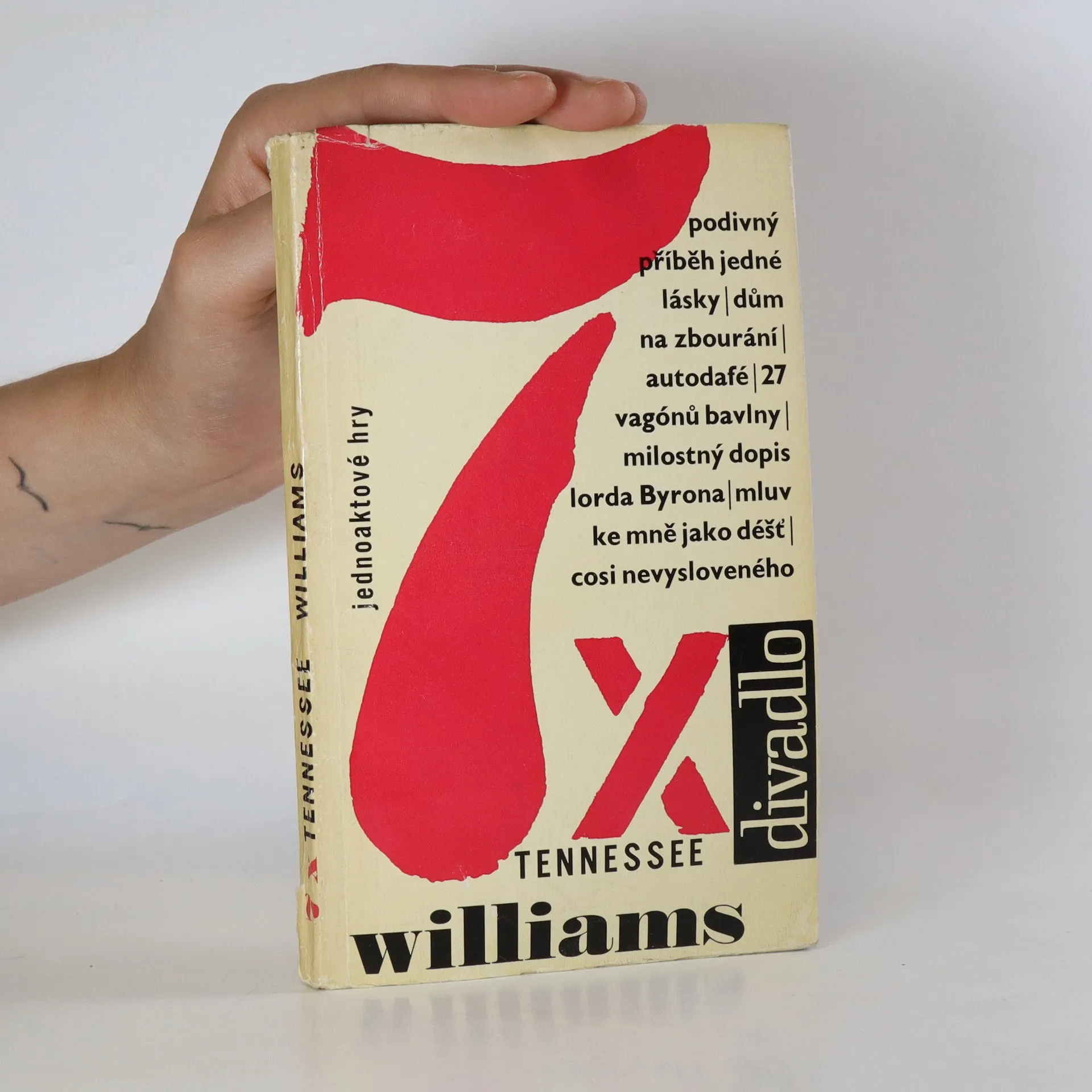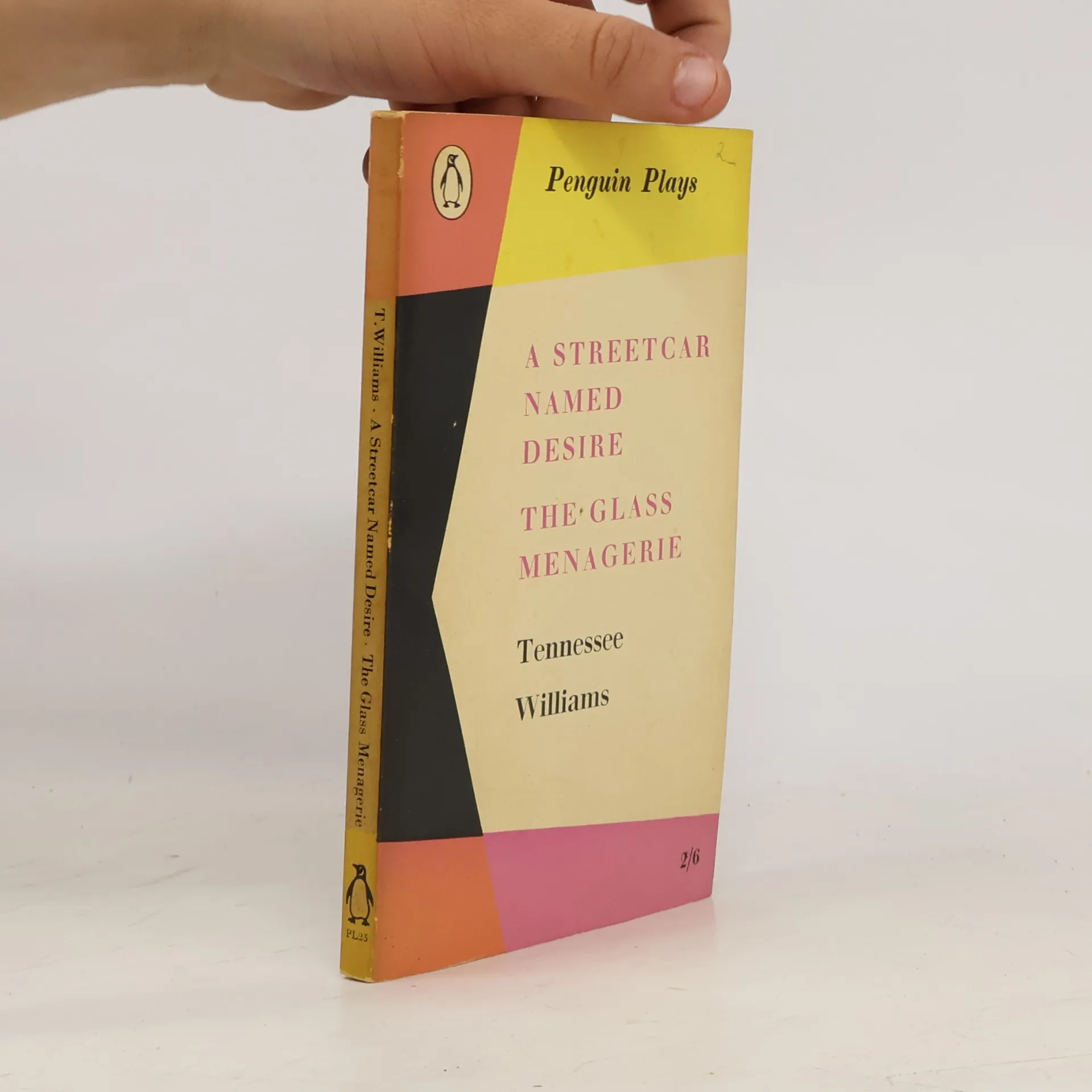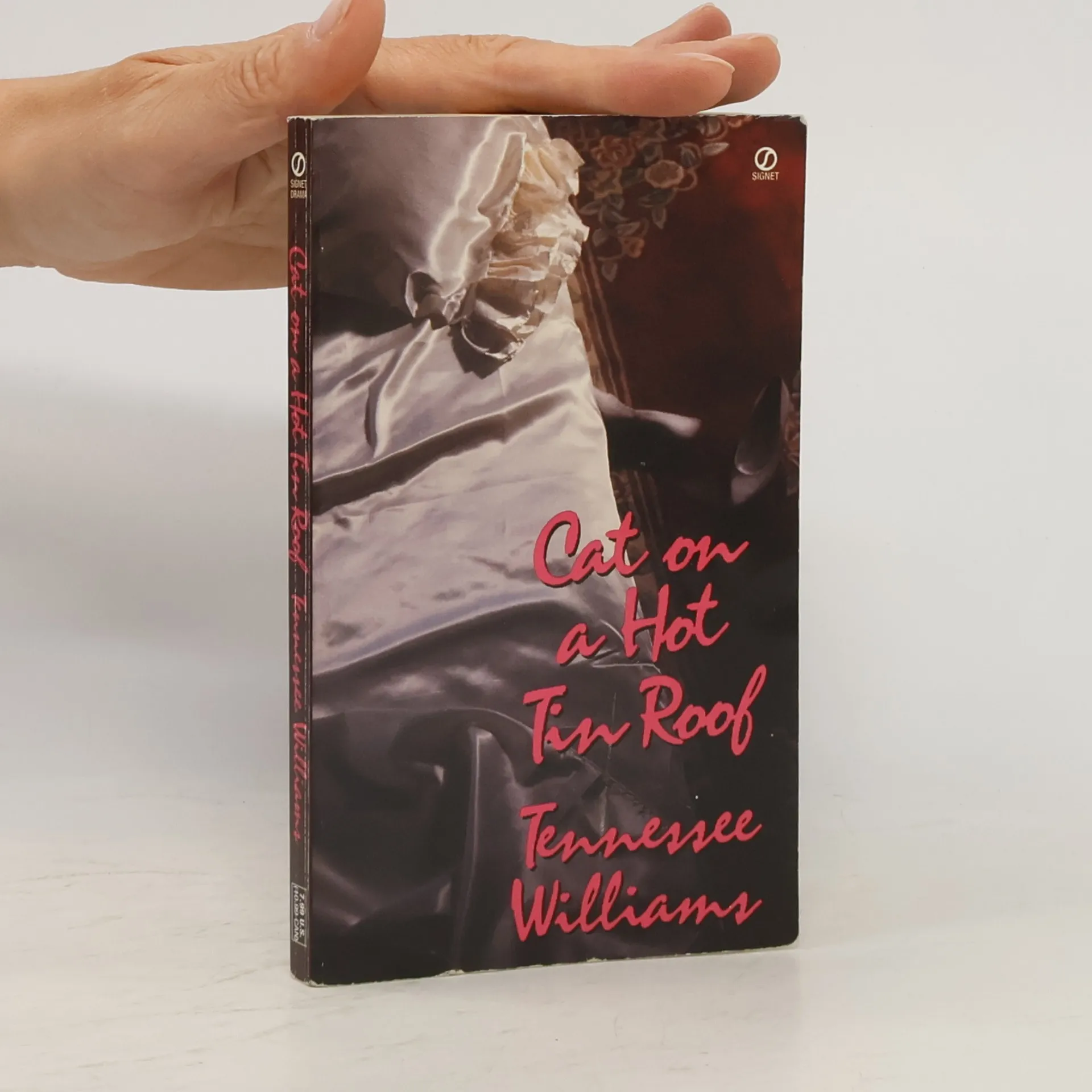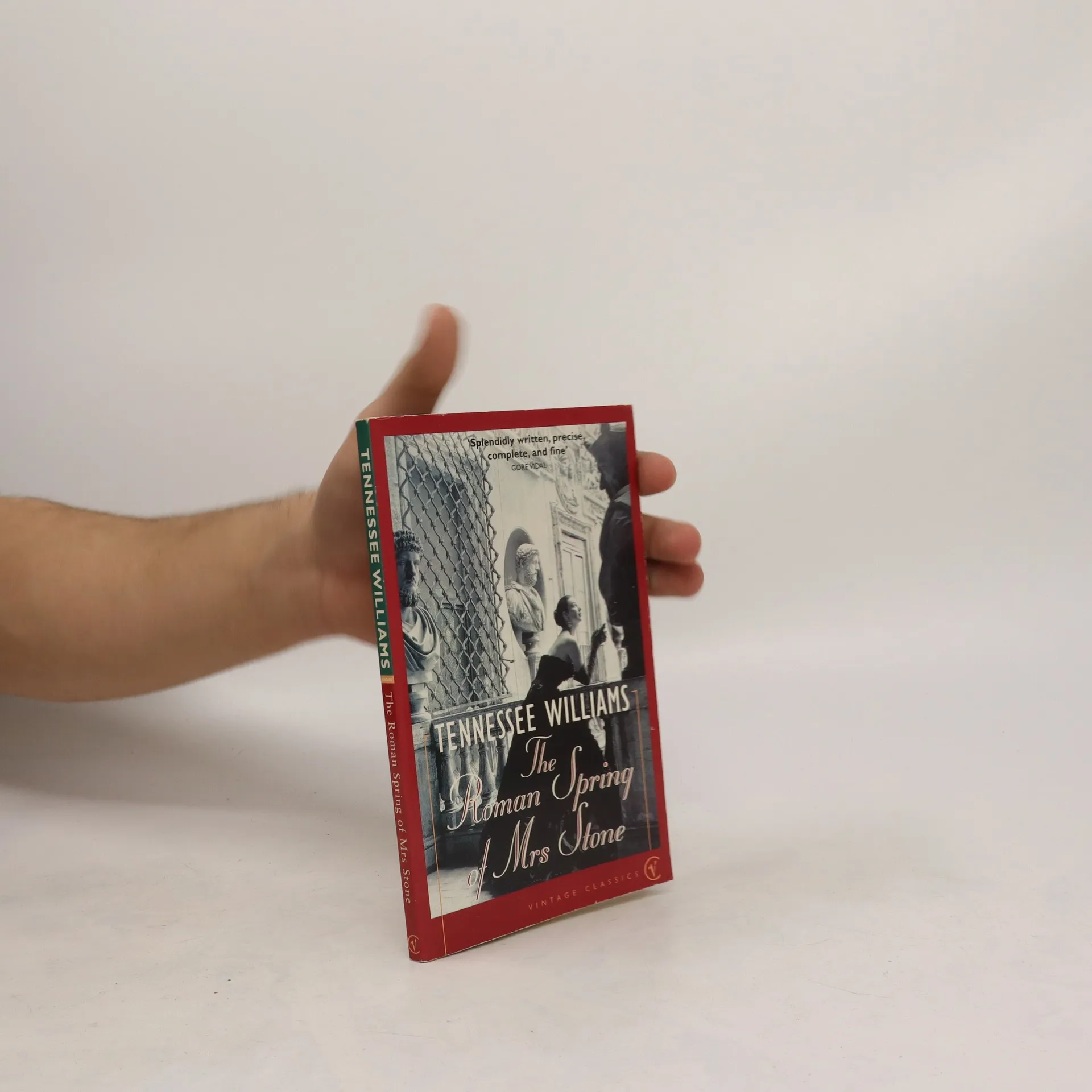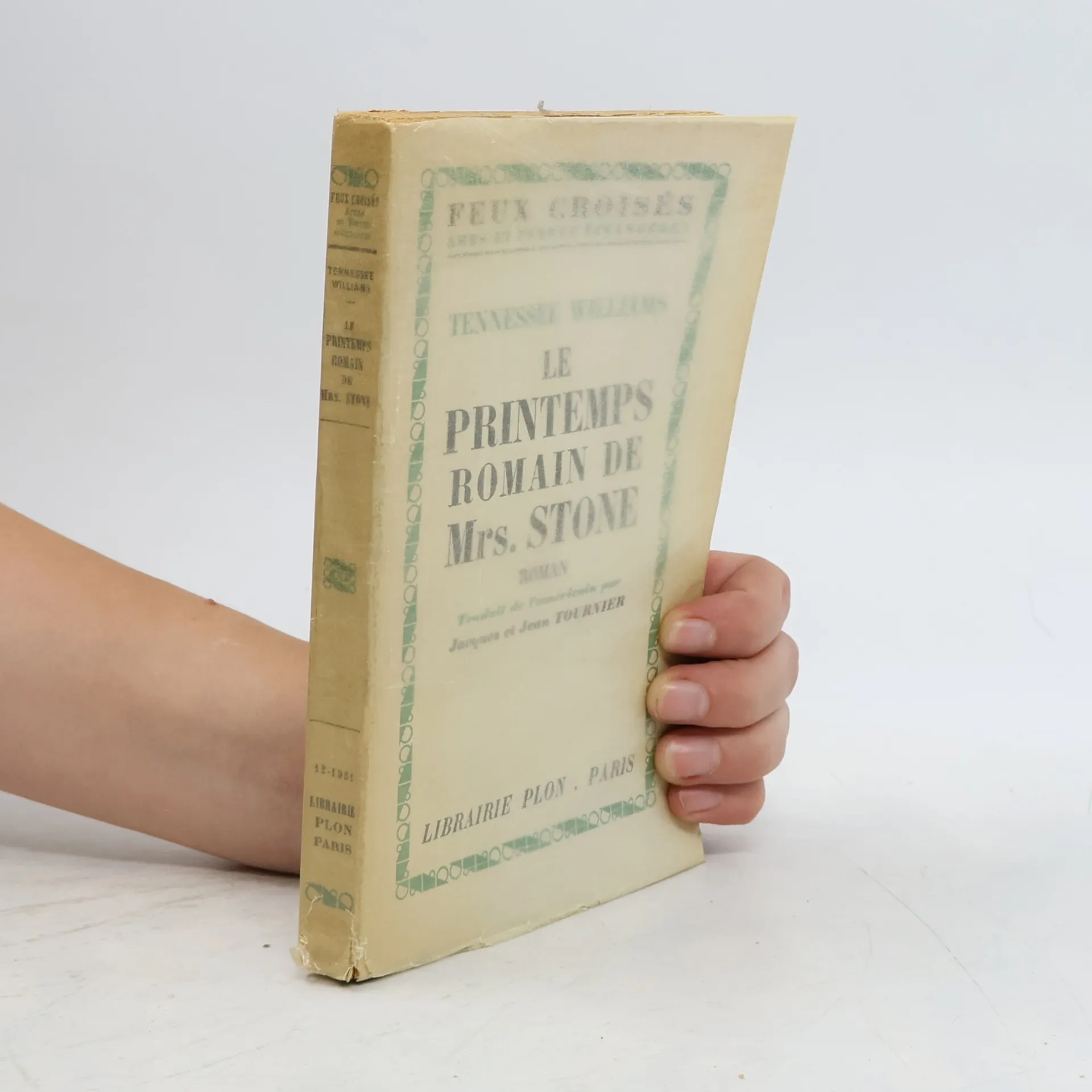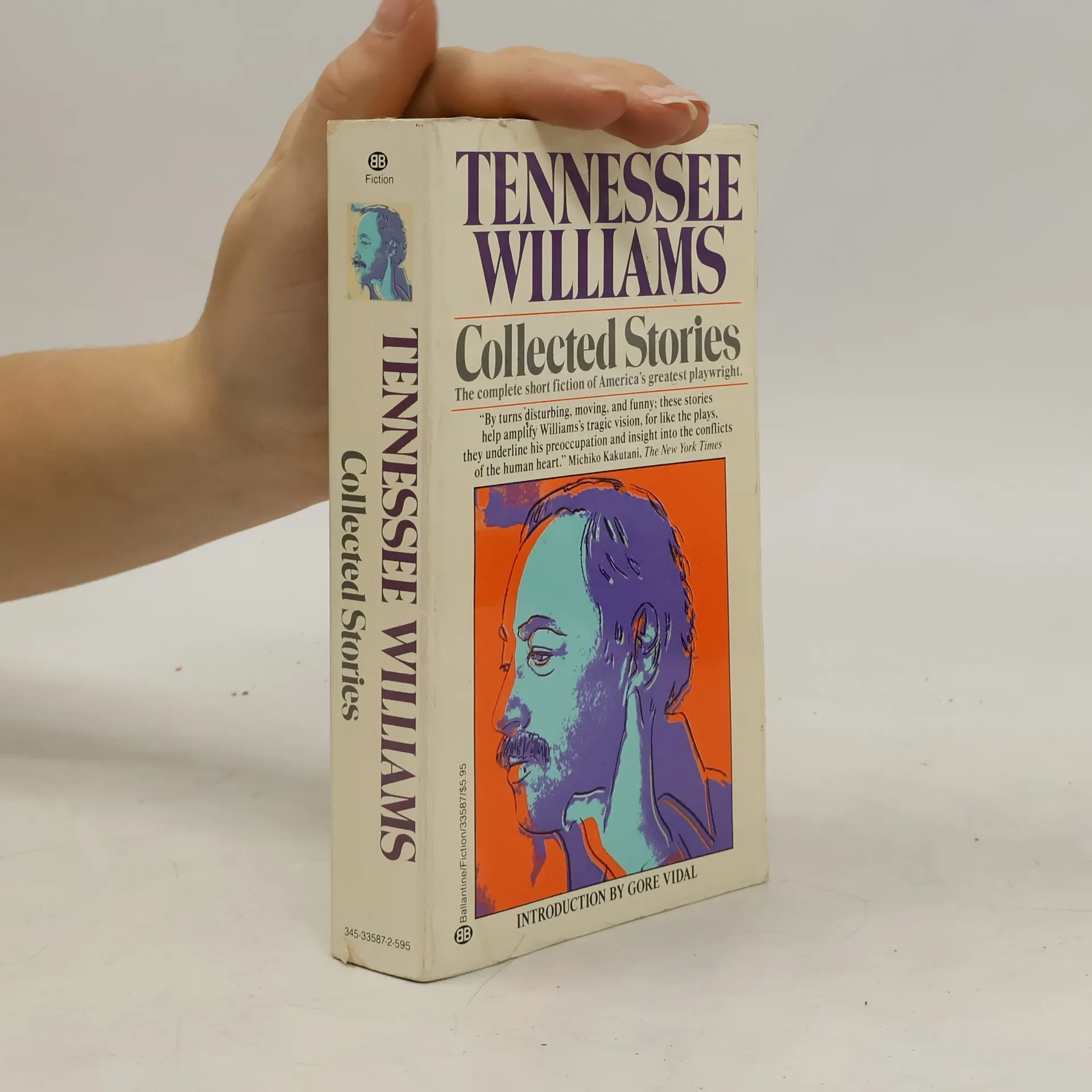



Questo drammaturgo americano del XX secolo è rinomato per i suoi drammi profondamente psicologici, che spesso esplorano la vulnerabilità, la disperazione e le complessità delle relazioni umane. Il suo lavoro è caratterizzato da un linguaggio poetico e da intensi ritratti emotivi di personaggi che combattono contro i propri demoni interiori e le pressioni sociali. Williams ha catturato magistralmente le realtà agrodolci della vita, spesso ambientate in uno scenario del sud nostalgico. Le sue opere sono diventate pietre miliari del teatro americano e continuano a risuonare con il pubblico per la loro cruda onestà e brillantezza artistica.
The collection features early writings by Thomas Lanier Williams, showcasing his distinctive voice before he gained fame as a playwright. Set against the backdrop of Missouri, these tales reveal the foundational elements of his storytelling style, offering a glimpse into the themes and character development that would later define his renowned works.
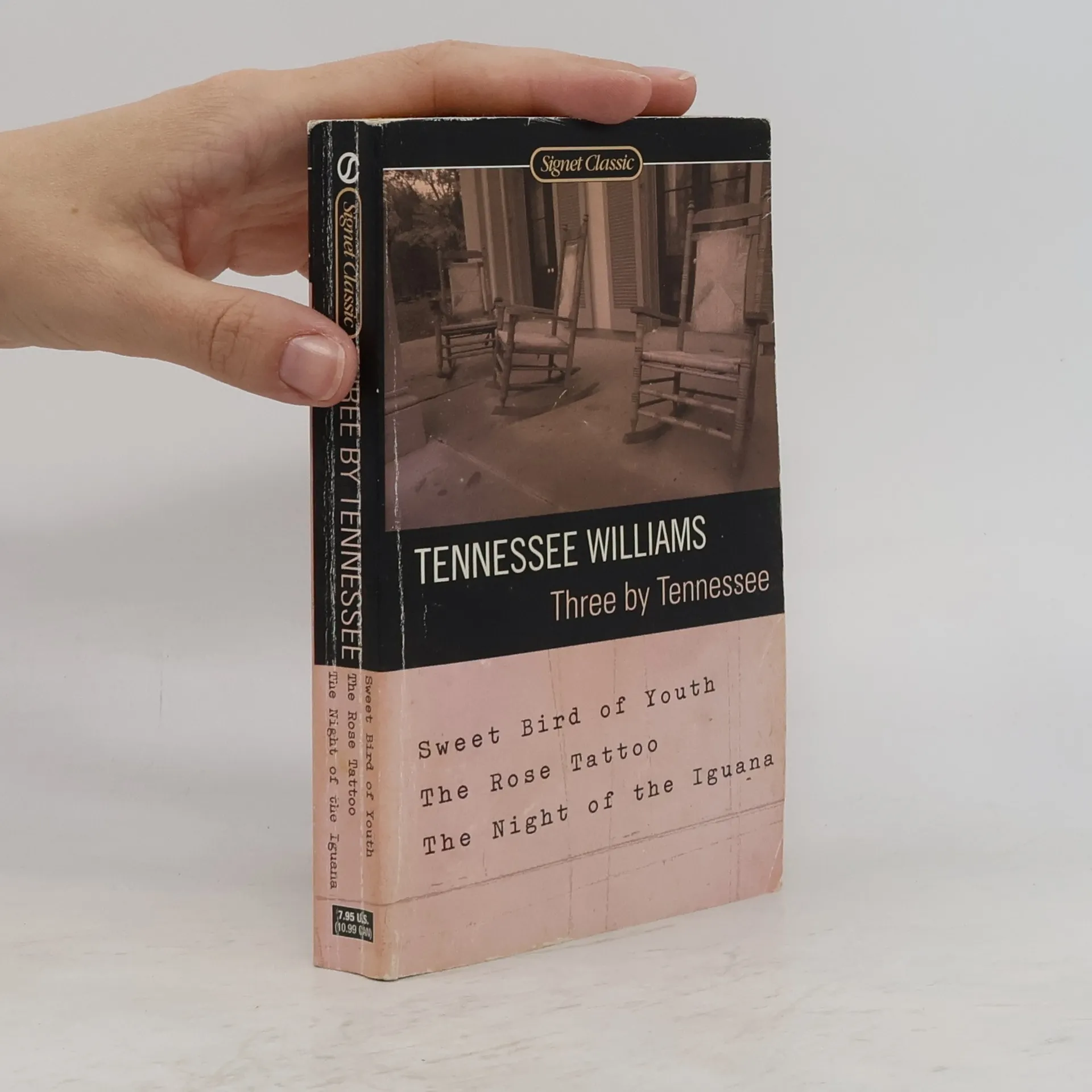
Tennessee Williams' sensuous portrait of sexual repression is as sultry as the sweltering heat of its Mississippi setting. Alma Winemiller, the sheltered daughter of a minister, secretly harbors a lifelong love for the boy next door, Dr. John Buchanan. Alma seeks a spiritual love with just one man, but the rakish John is focused solely on sexual conquest. Their intense relationship degenerates into a battle for his body and her soul.
The book features a series of insightful interviews with the renowned playwright known for his impactful works such as Cat on a Hot Tin Roof, A Streetcar Named Desire, and The Glass Menagerie. These conversations delve into his creative process, the themes of his plays, and his reflections on the theater's role in society. Readers gain a deeper understanding of his artistic vision and the personal experiences that shaped his iconic characters and narratives.
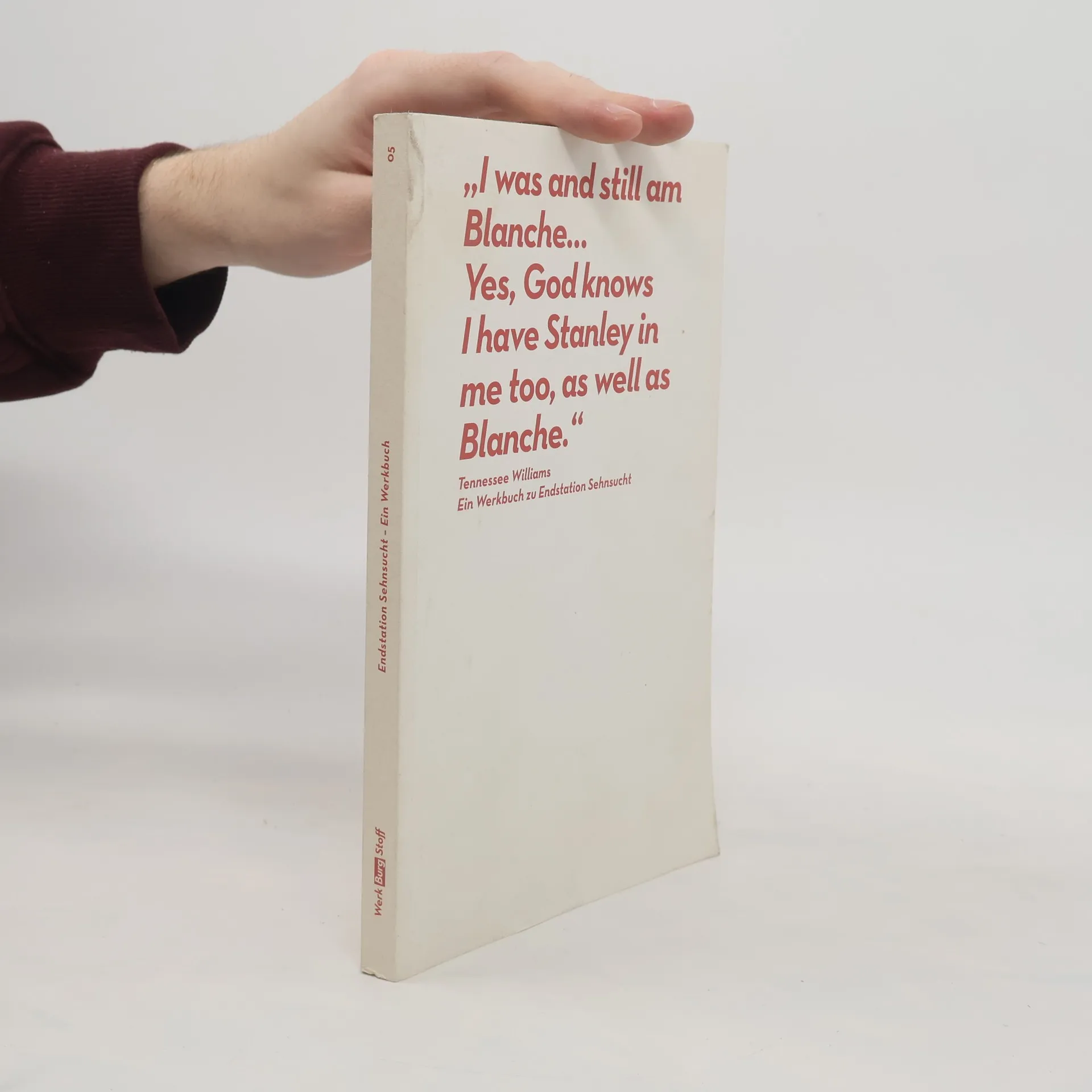
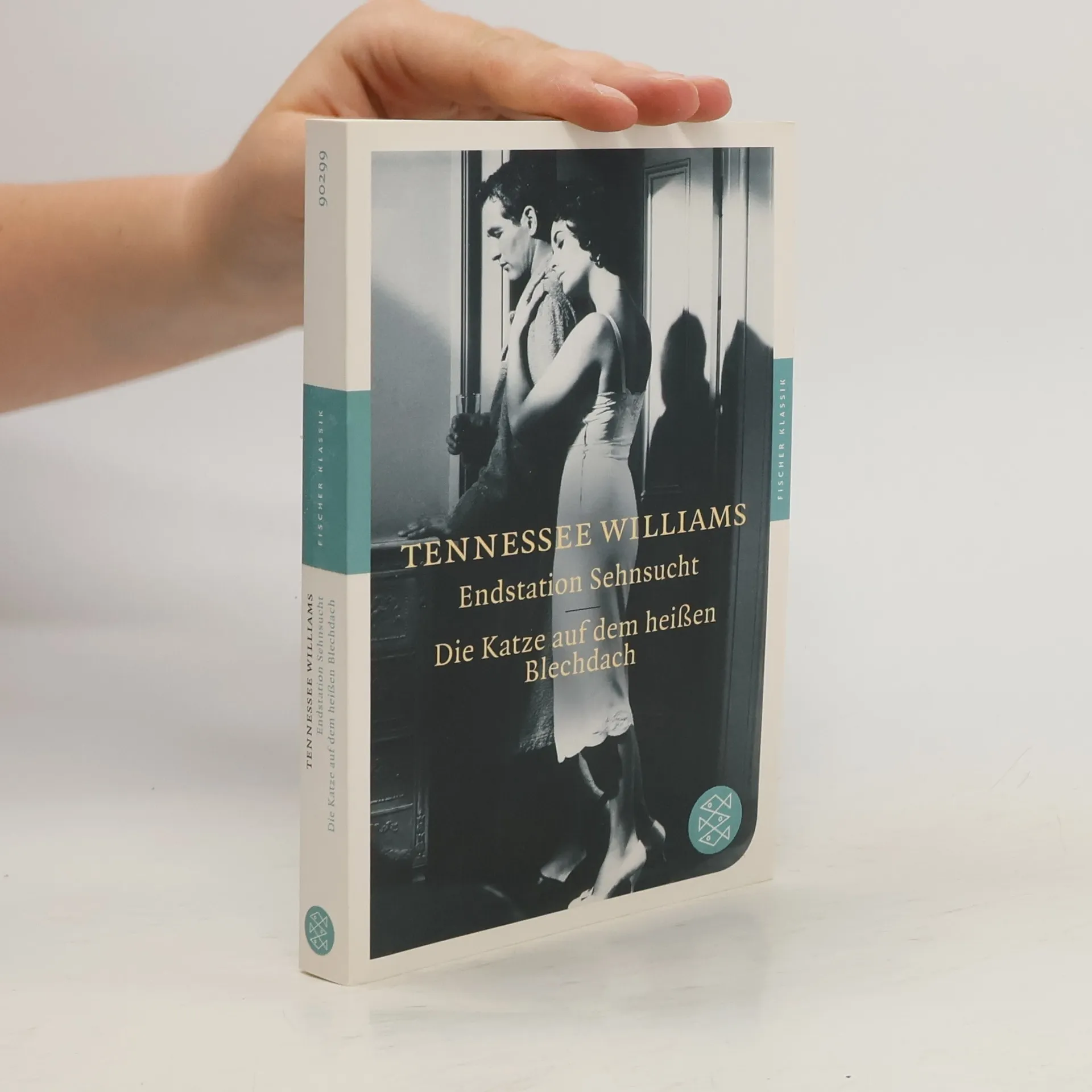
Nach dem Verlust ihres stolzen Familiensitzes flieht Blanche DuBois, eine verblichene Südstaatenschönheit, zu ihrer Schwester Stella, die mit dem Arbeiter Stanley Kowalski verheiratet ist. Dessen aggressive Sexualität stößt Blanche ab. Stanley hasst Blanches affektiertes Verhalten und ihre Traditionsversessenheit. In der Enge der Wohnung im französischen Viertel von New Orleans kommt es schnell zu Spannungen, die in einer Katastrophe münden … Marlon Brando wurde in der Rolle des Stanley Kowalski zu einer Ikone der amerikanischen Männlichkeit. Mit den Beiträgen zu beiden Werken aus Kindlers Literatur Lexikon. Mit Daten zu Leben und Werk, exklusiv verfasst von der Redaktion der Zeitschrift für Literatur TEXT + KRITIK.
With detailed analysis of the text, discussions on themes, historical
backgrounds and author biographies, York Notes offers students the best
insight into the world of English Literature.
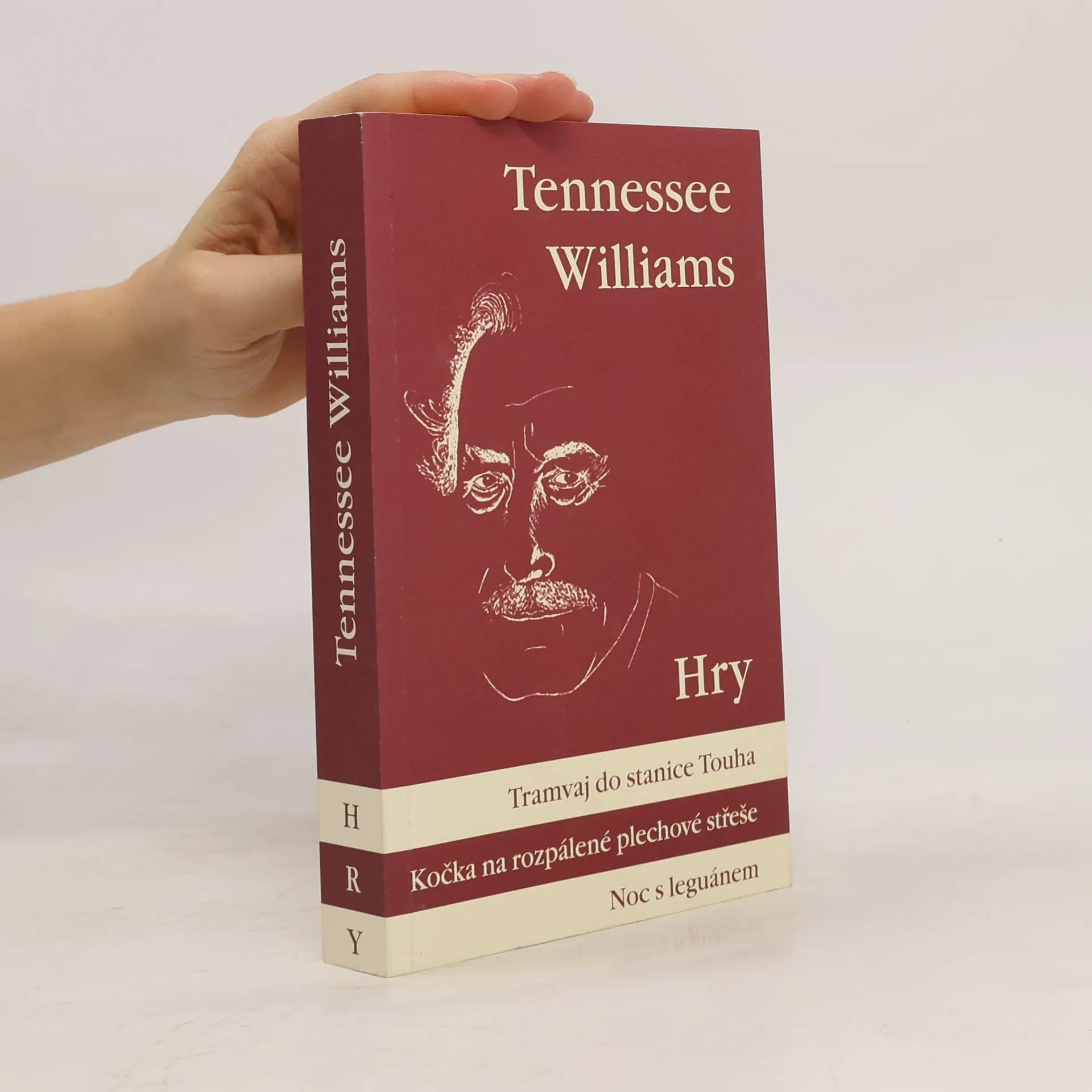
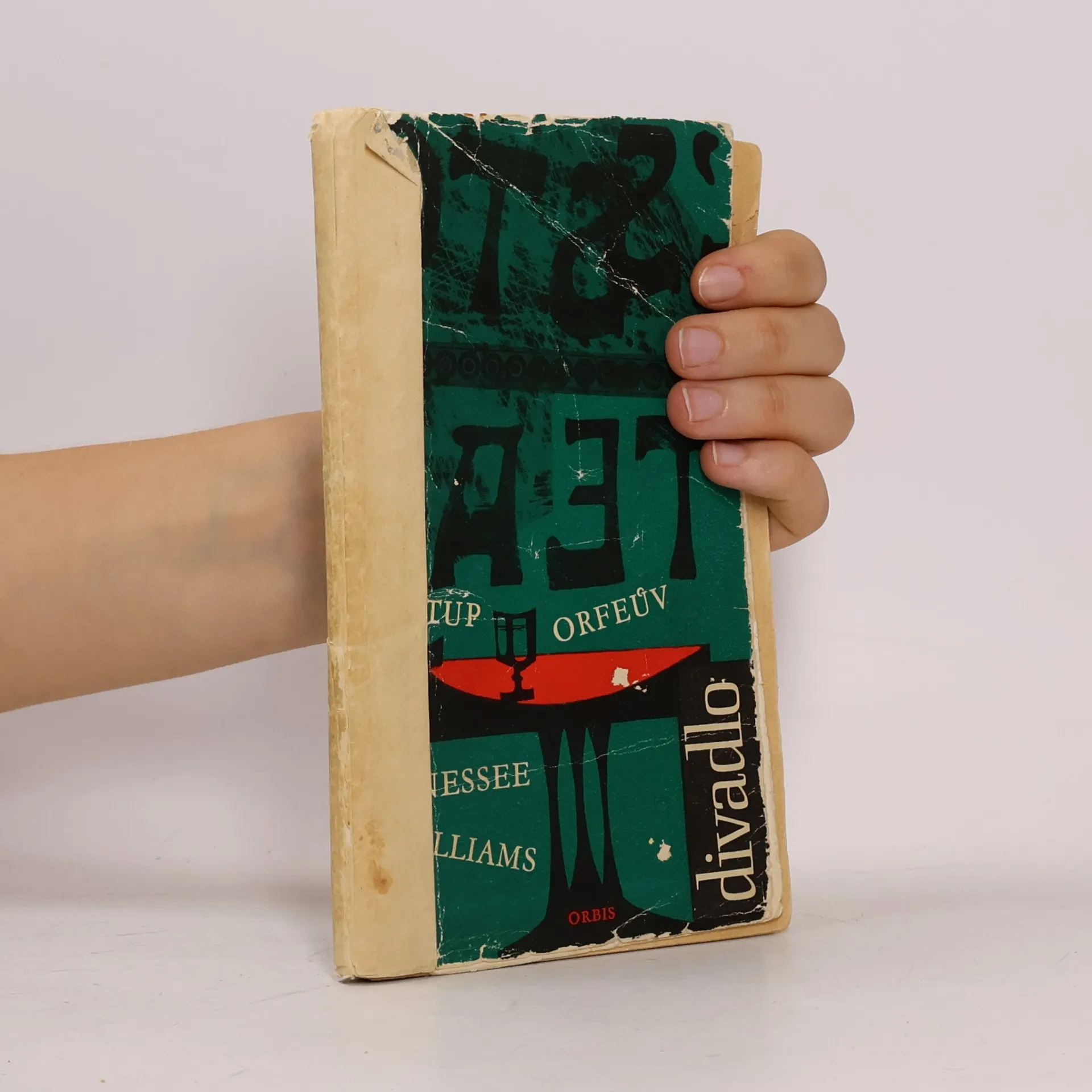
Tři divadelní hry amerického dramatika Tennesseeho Williamse: Tramvaj do stanice Touha (1947) — Kočka na rozpálené plechové střeše (1955) — Noc s leguánem (1961).
Abandoned by her husband, Amanda Wingfield comforts herself with recollections of her earlier, life in Blue Mountain when she was pursued by 'gentleman callers'. Her son Tom, a poet with a job in a warehouse, longs for adventure and escape from his mother's suffocating embrace, while Laura, her daughter, has her glass menagerie and her memories.
No play in the modern theater has so captured the imagination and heart of the American public as Tennessee Williams's The Glass Menagerie. As Williams's first popular success, it launched the brilliant, if somewhat controversial, career, of our pre-eminent lyric playwright. Since its premiere in Chicago in 1944, with the legendary Laurette Taylor in the role of Amanda, Menagaerie has been the bravura piece for great actresses from Jessica Tandy to Joanne Woodward, and is studied and performed in classrooms and theatres around the world. The Glass Menagerie (in the reading text the author preferred) is now available only in its New Directions Paperbook edition. A new introduction by the editor of The Tennessee Williams Annual Review, Robert Bray, reappraises the play more than half a century after it won the New York Drama Critics Circle Award. This edition of The Glass Menagerie also includes Williams's essay on the impact of sudden fame on a struggling writer, "The Catastrophe of Success," as well as a short section of Williams's own "Production Notes." (back cover)
Mrs Stone changed from a famous, rich American actress to a notorious, very rich American widow. But the transition took years and all that time her youth and legendary beauty slipped away. Frantic, she decides to take a lover, a young and very handsome Italian, being prepared to invest in his body for good return.
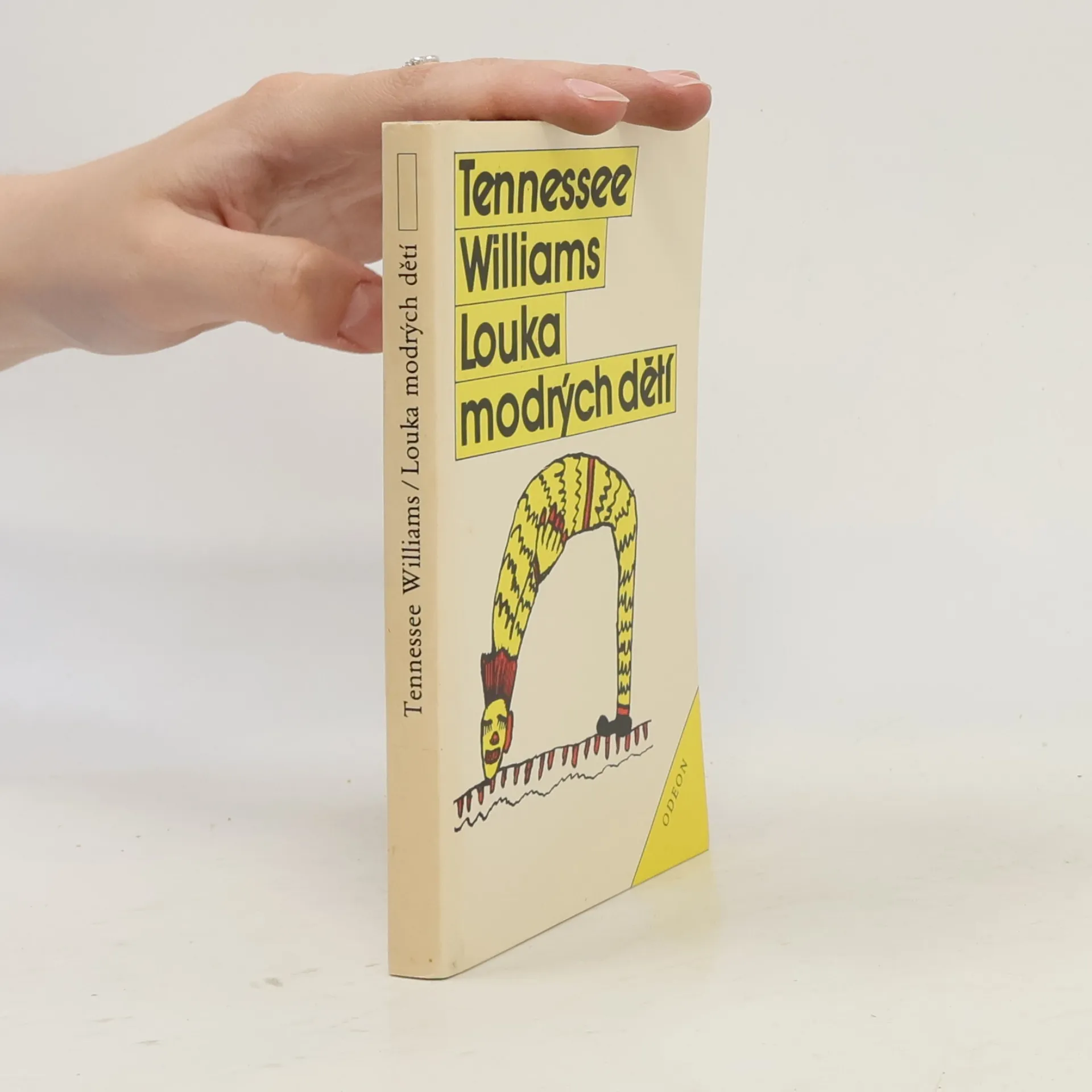
Šest povídek představuje Tennessee Williamse českému čtenáři především jako mistra lidské psychiky. Tentokrát jde o příběhy žen, které jsou vystaveny pokušení (jak jinak než ze strany mužů), často mu podléhají a musí se s tím vyrovnat.
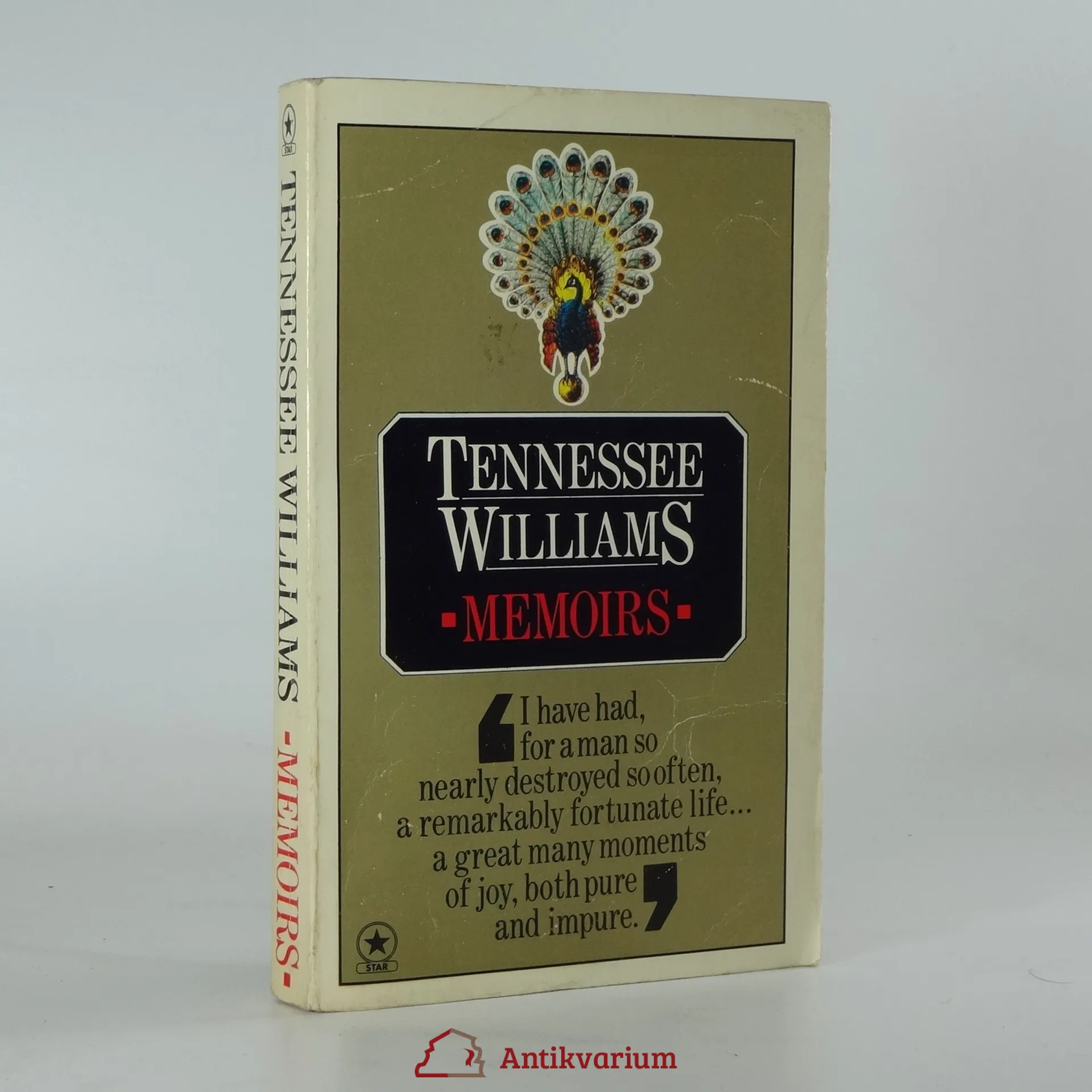
Recreates the milieux Williams knew and chronicled so movingly--from his gypsy youth in St. Louis and New Orleans to his days of celebrity in Hollywood and New York.
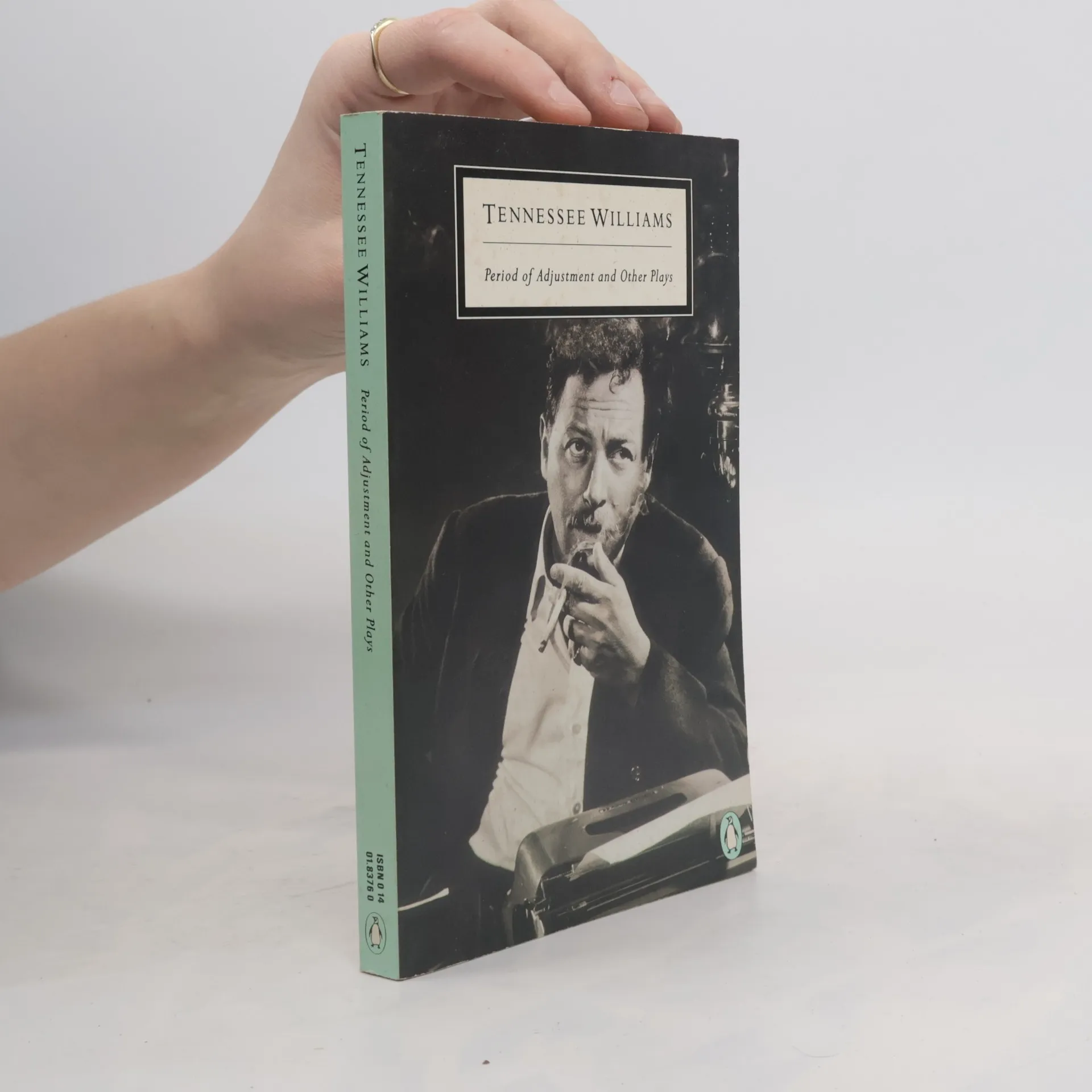
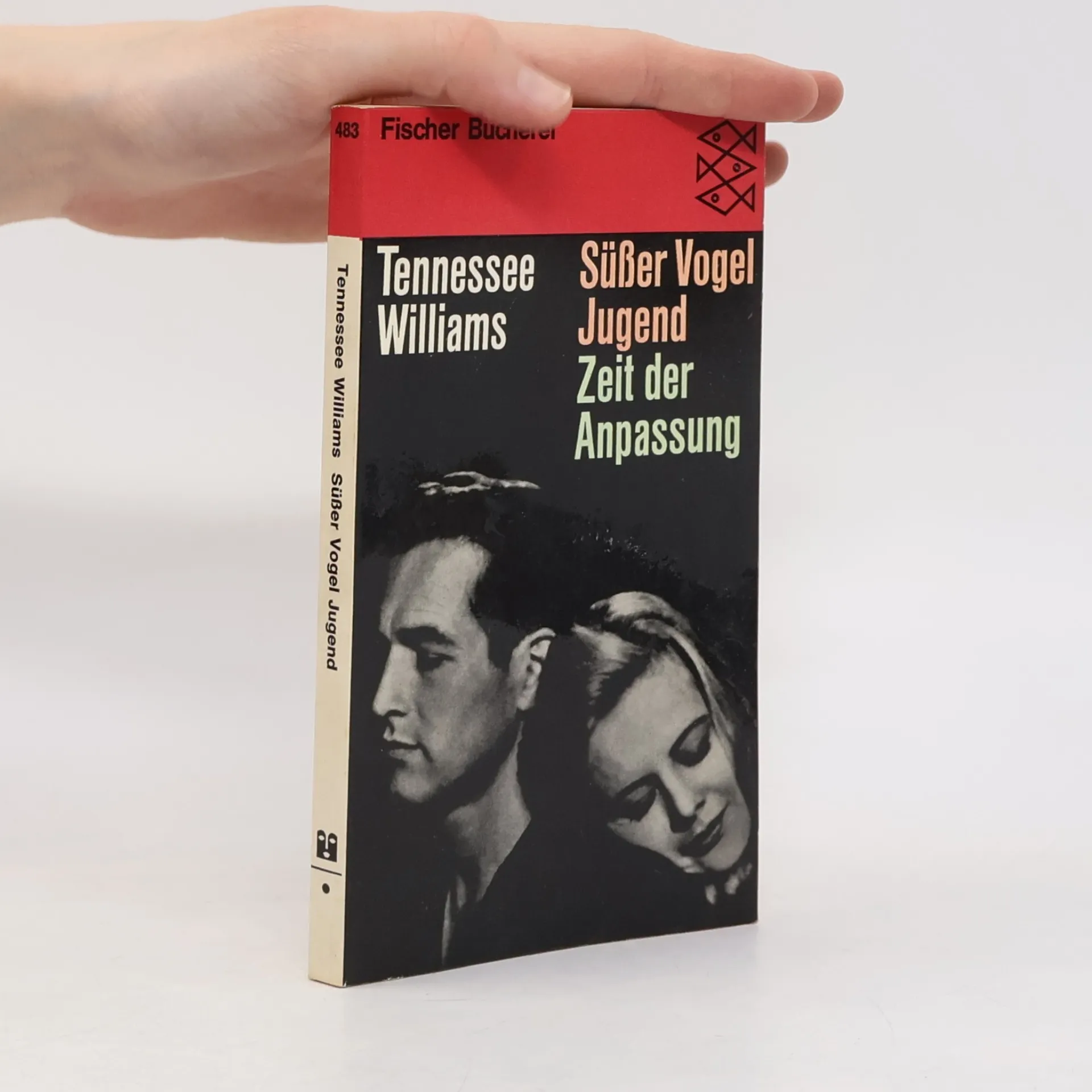
Features Period of adjustement; Summer and Smoke; and Small Craft Warnings. Period of adjustement is about marital problems that surface at Christmas, in a comedy of human foibles and frustrations. Small Craft Warnings is set in a bar on the Californian coast, where a group of people grapple with existence and survival.
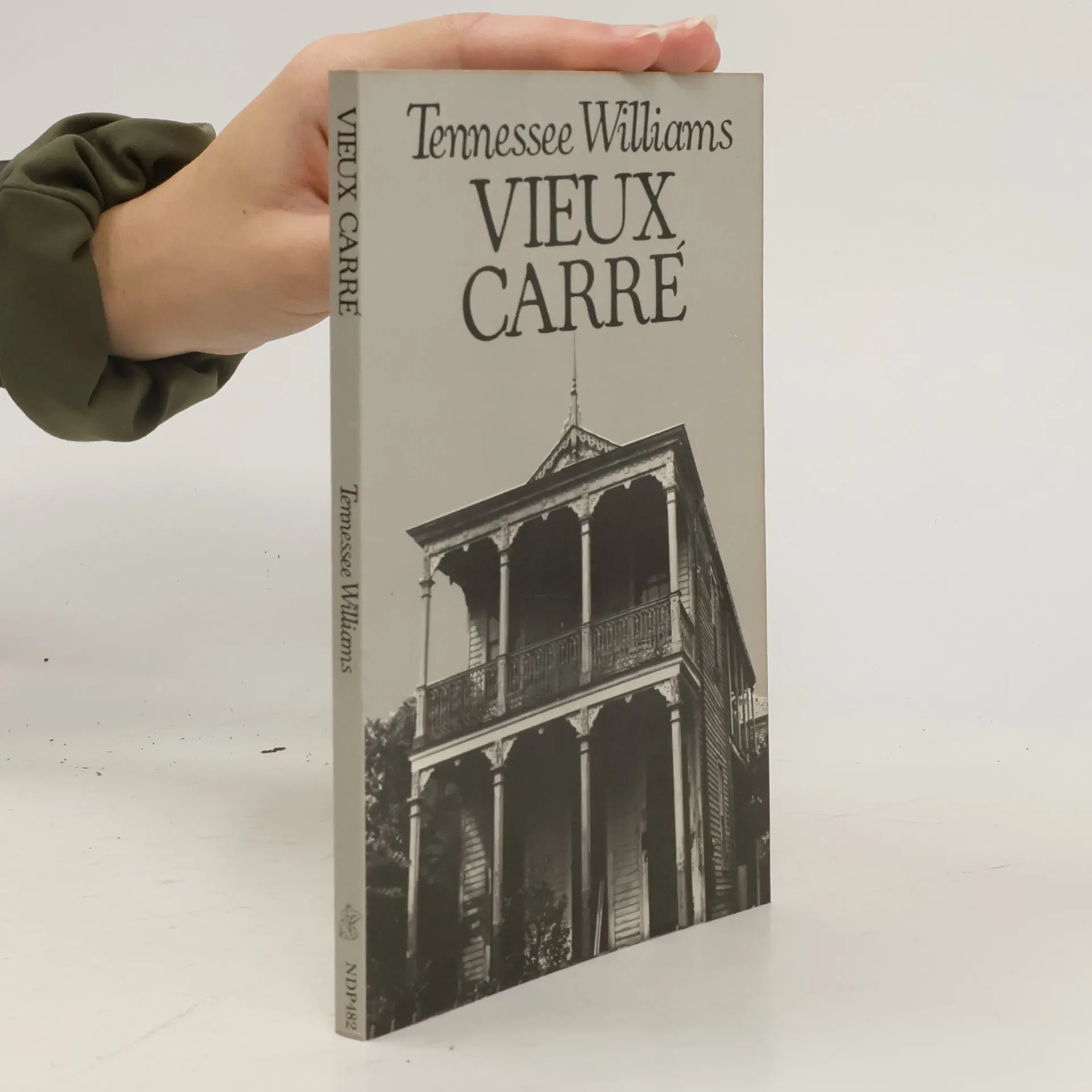
Tennessee William's Vieux Carre is not emotion recollected in tranquility but emotion re-created with all the pain, compassion, and wry humor of the playwright's own 1938 sojourn in the New Orleans French Quarter vividly in tact.

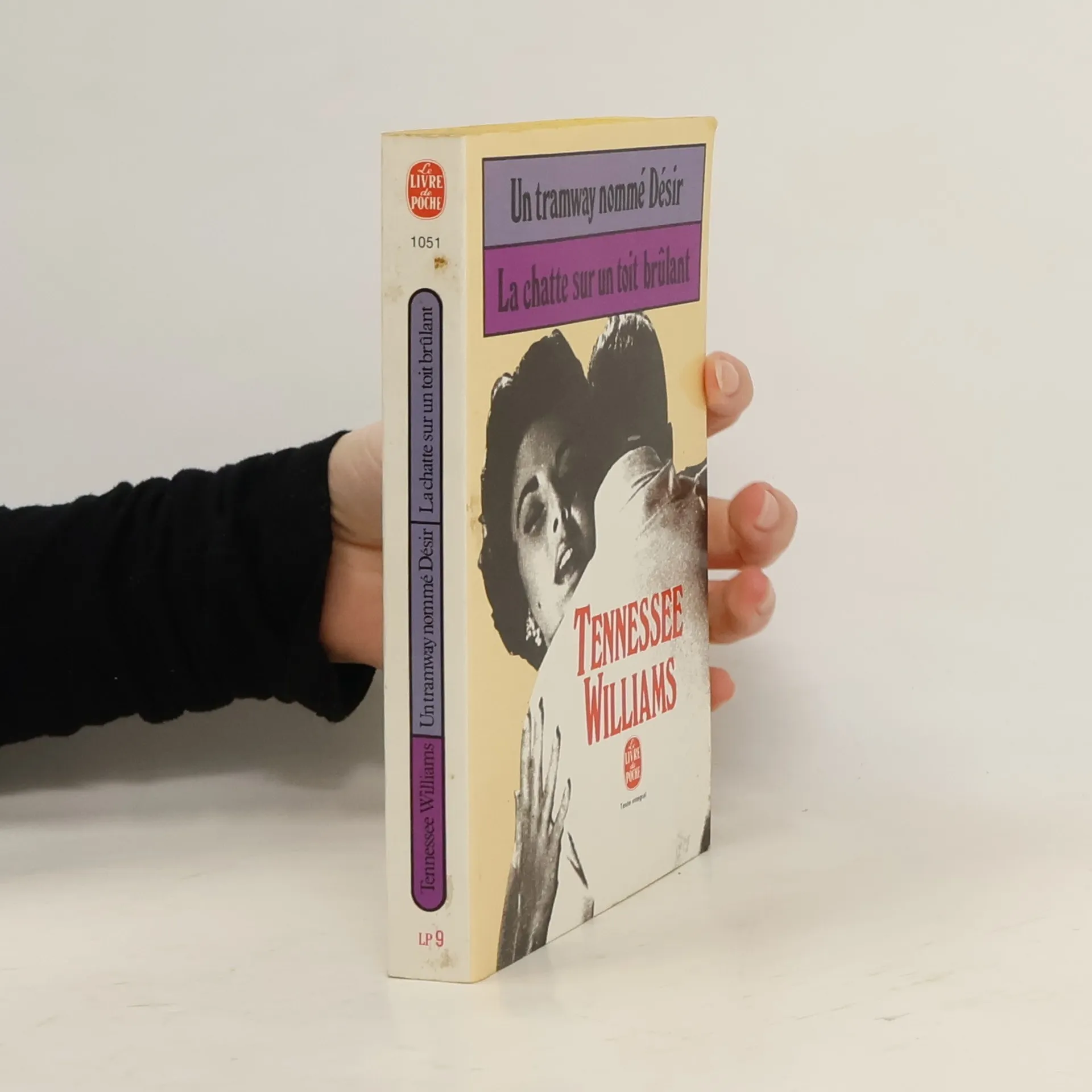
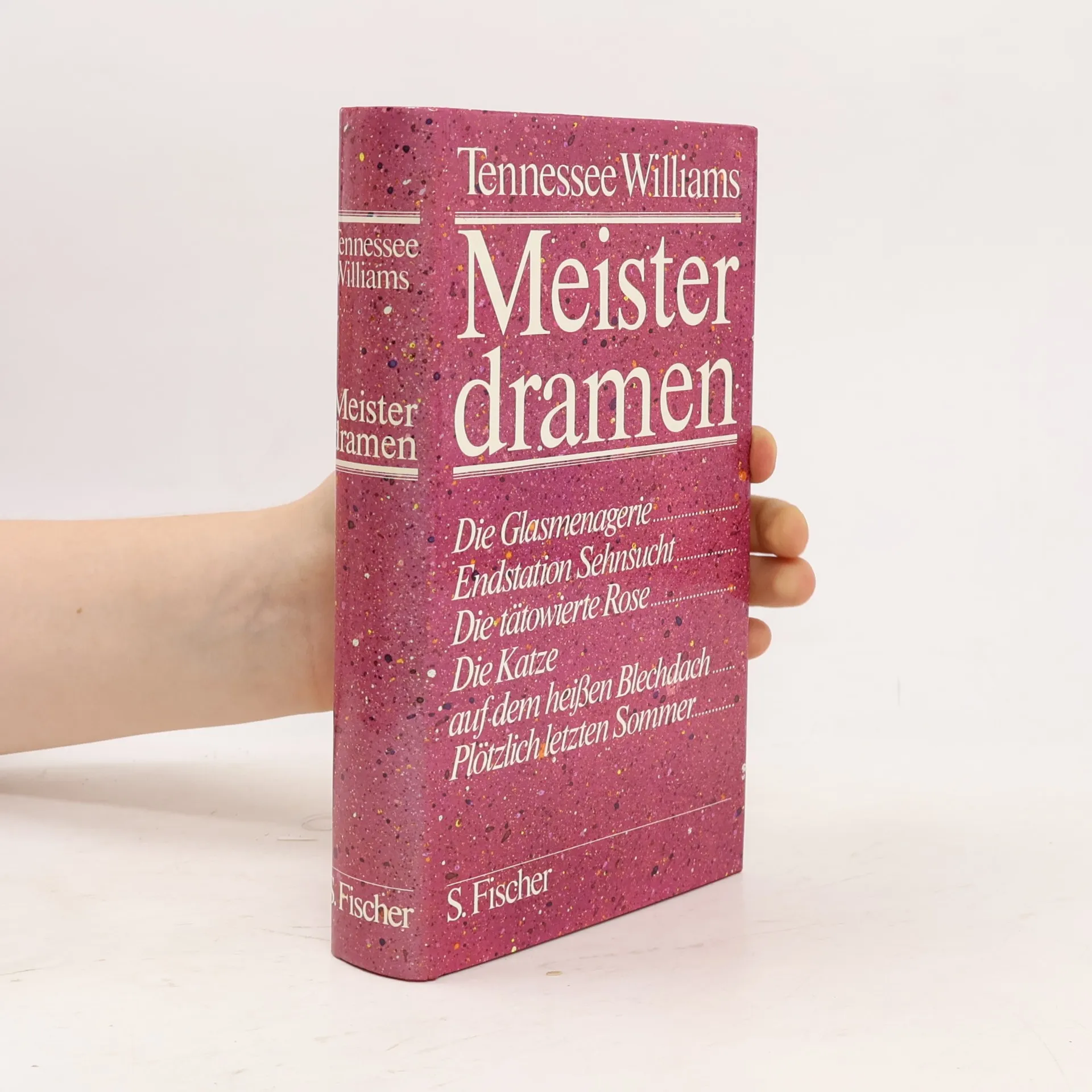
Dieser Band enthält die beiden Dramen, die den Namen von Tennessee Williams in der Welt berühmt gemacht haben: »Endstation Sehnsucht« und »Die Glasmenagerie«. New Orleans und St. Louis sind die Schauplätze; Exzesse der Sinnlichkeit und der Phantasie stehen in bösem Kontrast zu der drückenden Alltäglichkeit der Südstaatenszenerie. Die meisten Figuren dieses Autors sind labile Charaktere, anfällig für alle Formen der Zerstörung und Selbstzerstörung. Die verborgenen Sehnsüchte und Ängste seiner Zeitgenossen läßt Tennessee Williams wie kaum ein anderer Dramatiker Gestalt gewinnen.
Tennessee Williams, America's greatest playwright, openly discusses his love life, sexual encounters, and drug use in this candid reflection. Over thirty years later, his revelations seem less shocking than they once did.
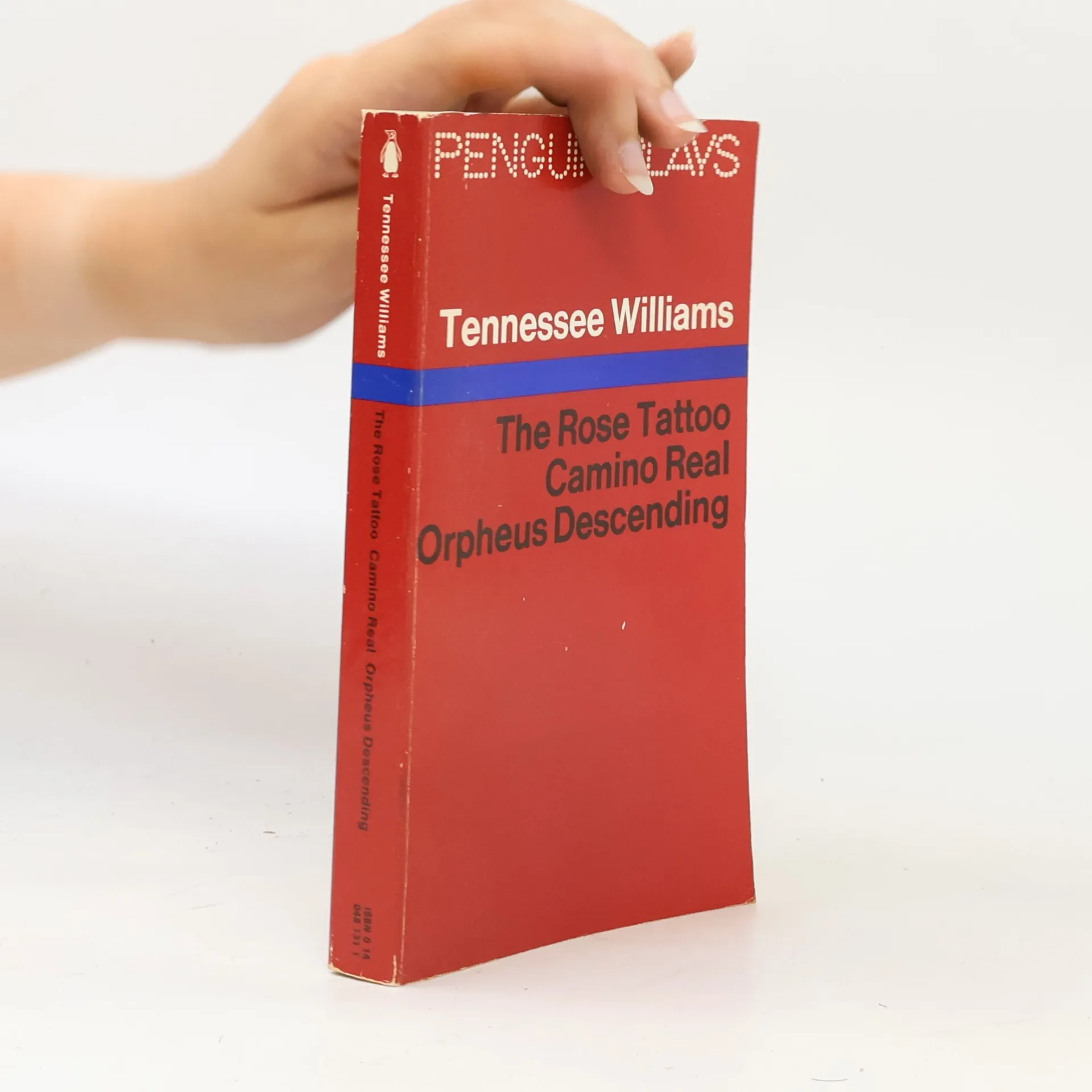
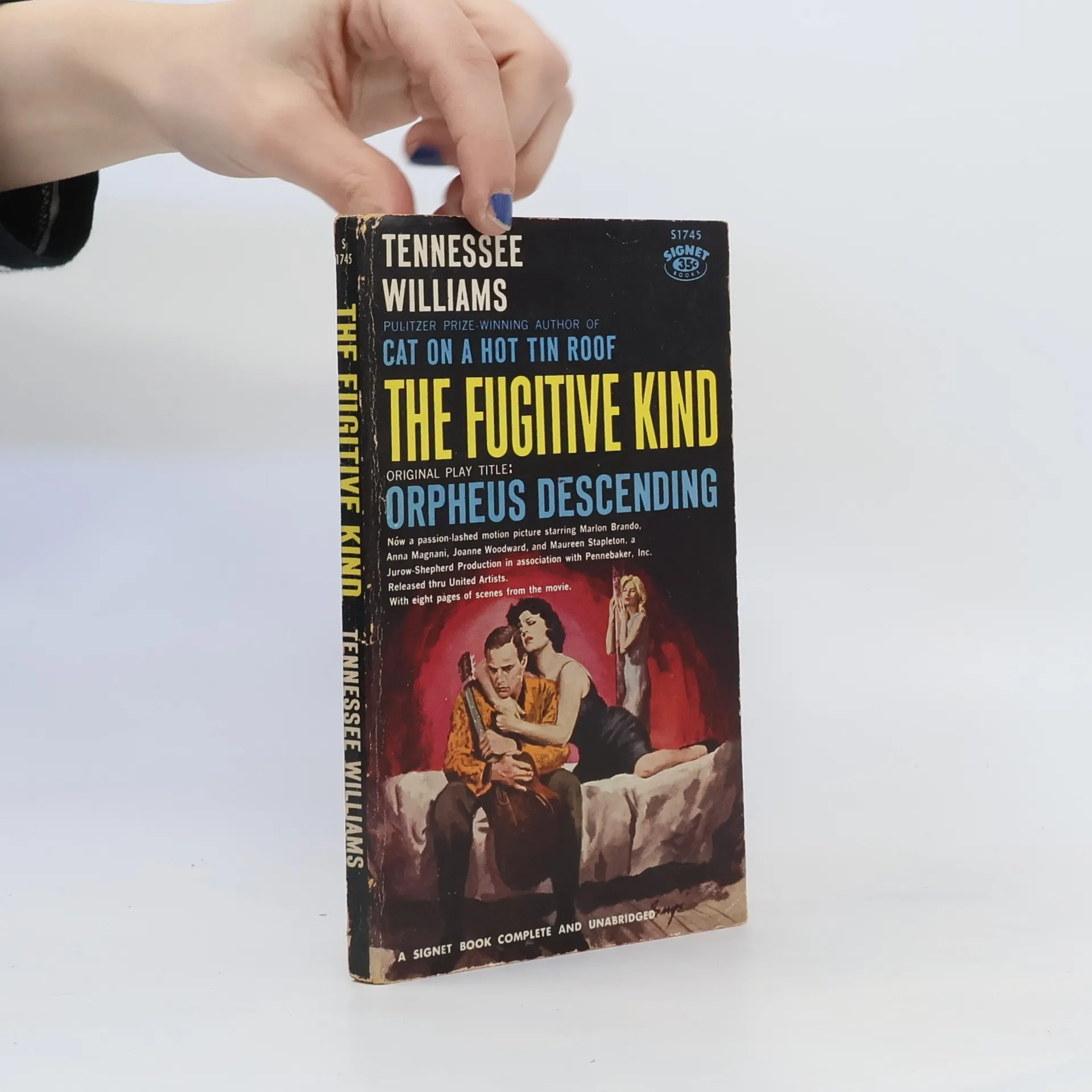
A collection of four plays from the master of twentieth-century American drama includes Orpheus Descending, in which a nomadic guitar player falls in love with a storekeeper's wife only to find his life plagued by violence when the townspeople turns against them. Original.
- Presents the most important 20th-century criticism on major works from "The Odyssey through modern literature- The critical essays reflect a variety of schools of criticism- Contains critical biographies, notes on the contributing critics, a chronology of the author's life, and an index- Introductory essay by Harold Bloom
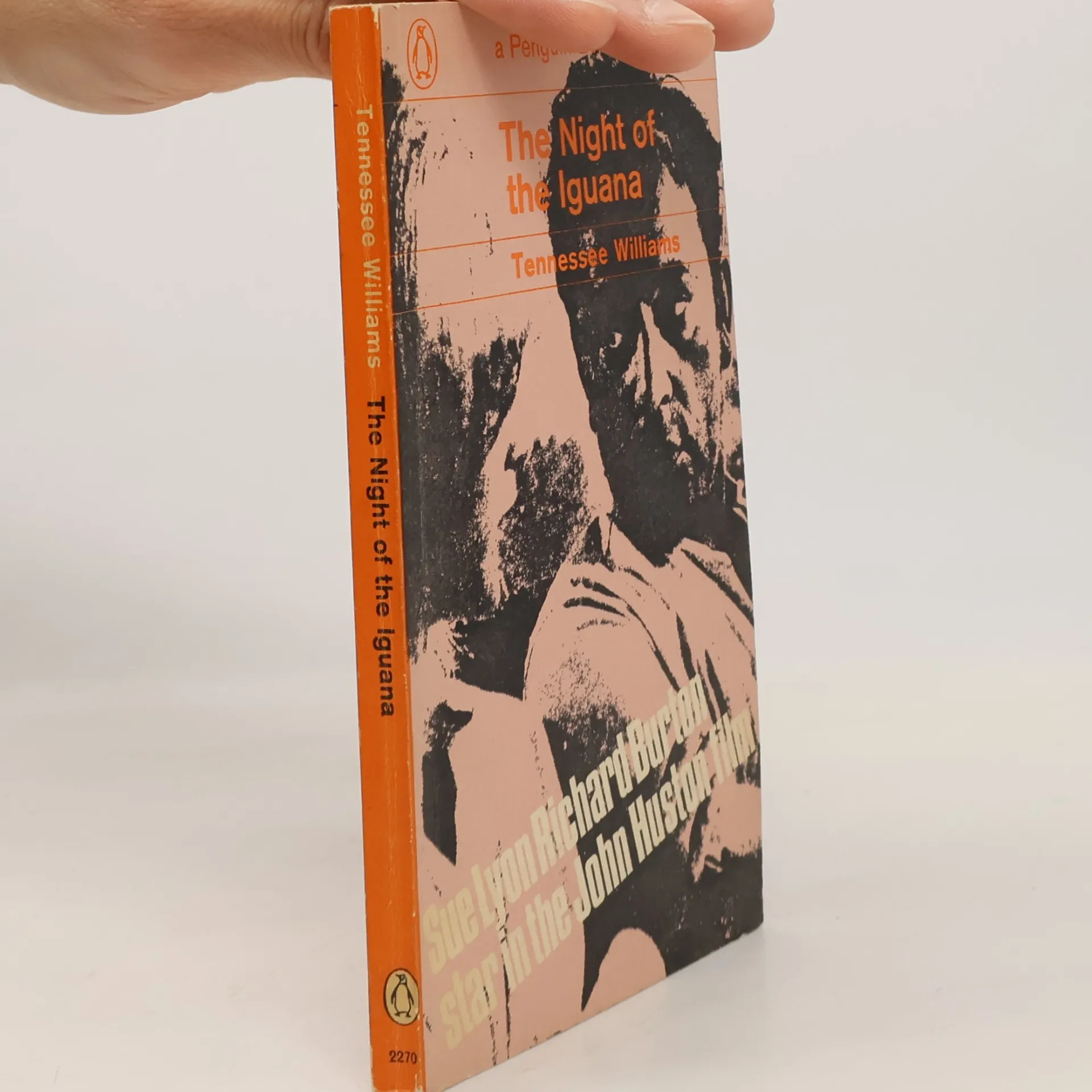
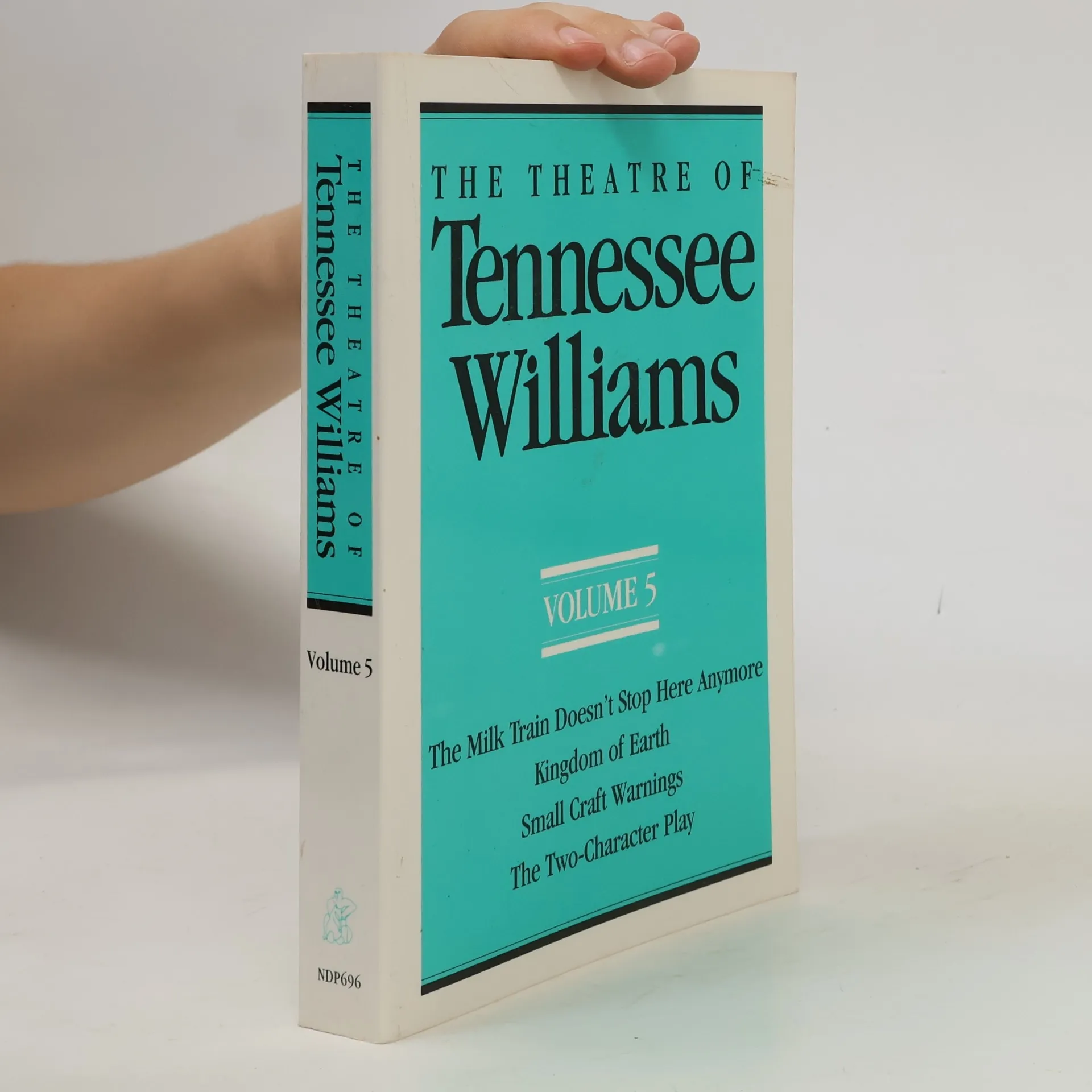
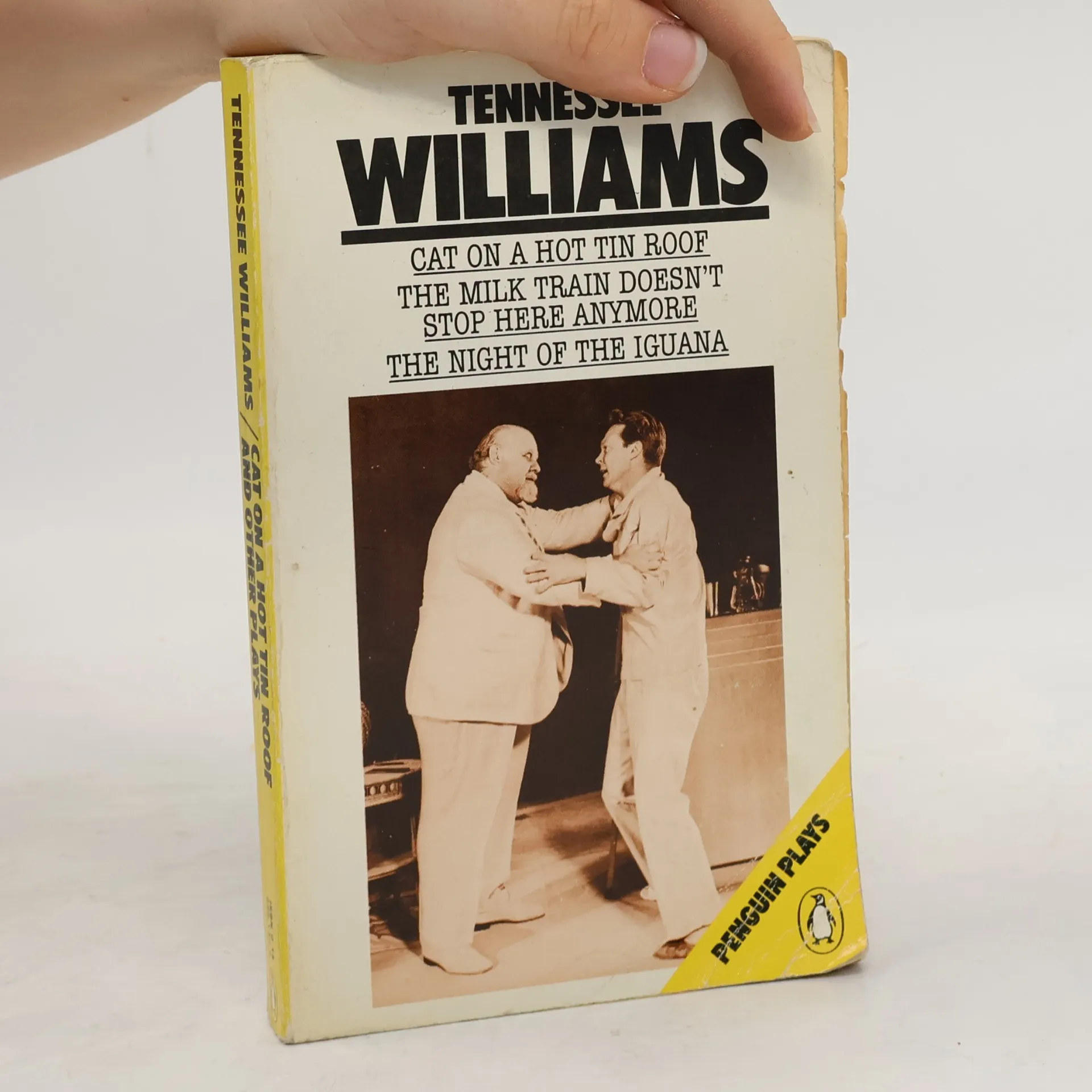
1. Cat on a hot roof: the play alludes to the presence of homosexuality in Southern society and examines the complicated rules of social conduct in this culture. 2. The milk train doesn't stop here anymore: geen homorelevantie. 3. The night of the Iguana: Edith Jelkes, an art teacher from Mississippi is travelling to recover from a breakdown. Needing sympathetic companionship, she makes friendly advances to two homosexual American writers and tries to enlist their aid in freeing a captive iguana
Enthalten sind die Erzählungen: Der Fluch (The Malediction) Glasporträt eines Mädchens (Portrait of a Girl in Glass) Das Wesentliche (The Important Thing) Das Feld der blauen Kinder (The Field of Blue Children) Sommerspiel zu dritt (Three Players of a Summer Game) Rubio y Morena (Rubio y Morena) Das Tomatenbeet (The Mattress by the Tomato Patch) Der Wein (The Vine) Mamas altes Haus (Mama's Old Stucco House) Oma (\"Grand\") Fröhlicher zehnter August (Happy August the Tenth) Sabbatha und die Einsamkeit (Sabbatha and Solitude)
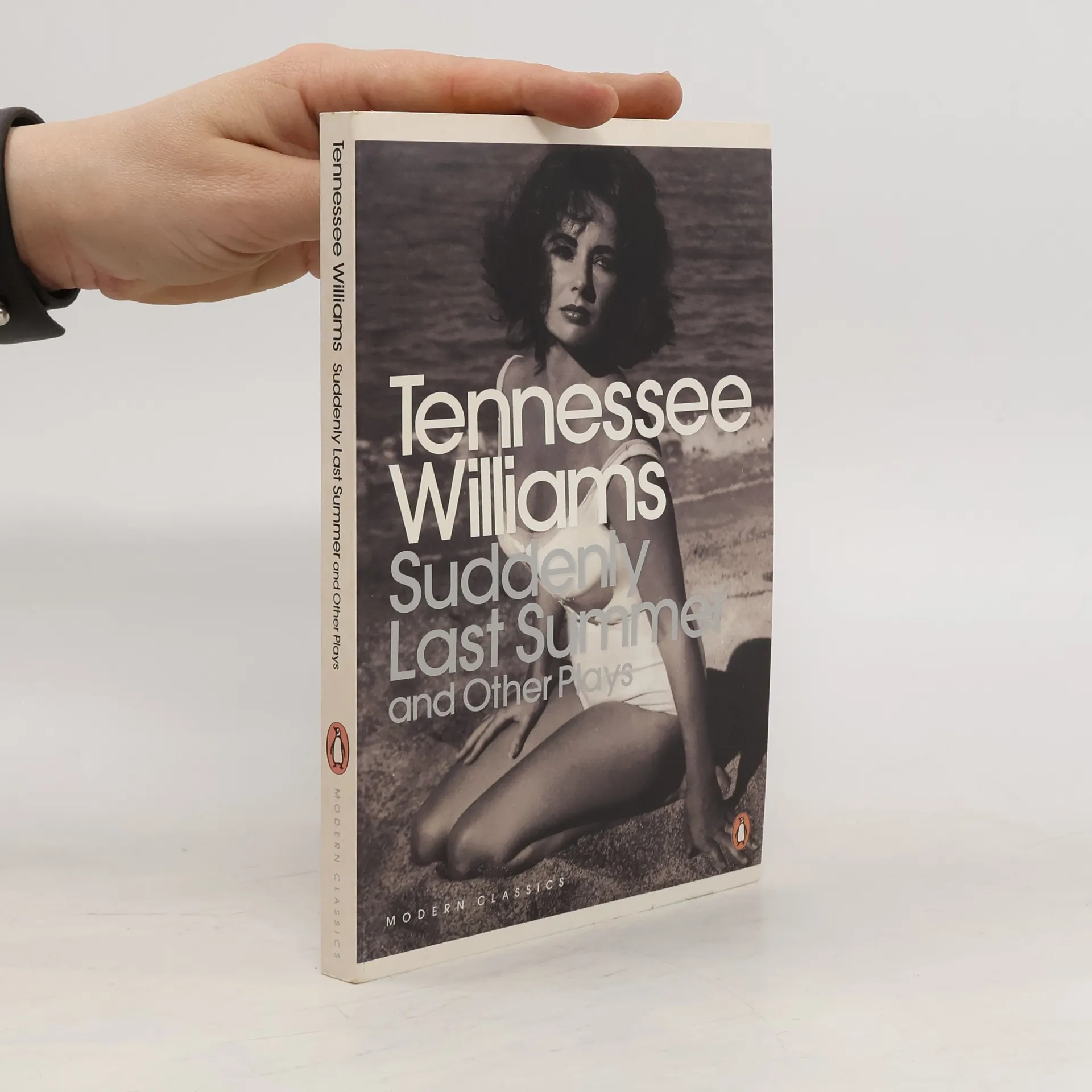
This anthology contains four of the Pulitzer Prize-winning playwright's most brilliant works: Summer and Smoke, Orpheus Descending, Suddenly Last Summer and Period of Adjustment. "The innocent and the damned, the lonely and the frustrated, the hopeful and the hopeless . . . (Williams) brings them all into focus with an earthy, irreverently comic passion".--Newsweek.
In this phantasmagorical play, the Camino Real is a dead end, a police state in a vaguely Latin American country, and an inescapable condition. Characters from history and literature―Don Quixote, Casanova, Camille, Lord Byron―inhabit a place where corruption and indifference have immobilized and nearly destroyed the human spirit. Then, into this netherworld, the archetypal Kilroy arrives―a sailor and all-American guy with “a heart as big as the head of baby.” Celebrated American playwright John Guare has written an illuminative Introduction for this edition. Also included are Williams’ original Foreword and Afterword to the play, the one-act play "Ten Blocks on the Camino Real," plus an essay by noted Tennessee Williams scholar Michael Paller.
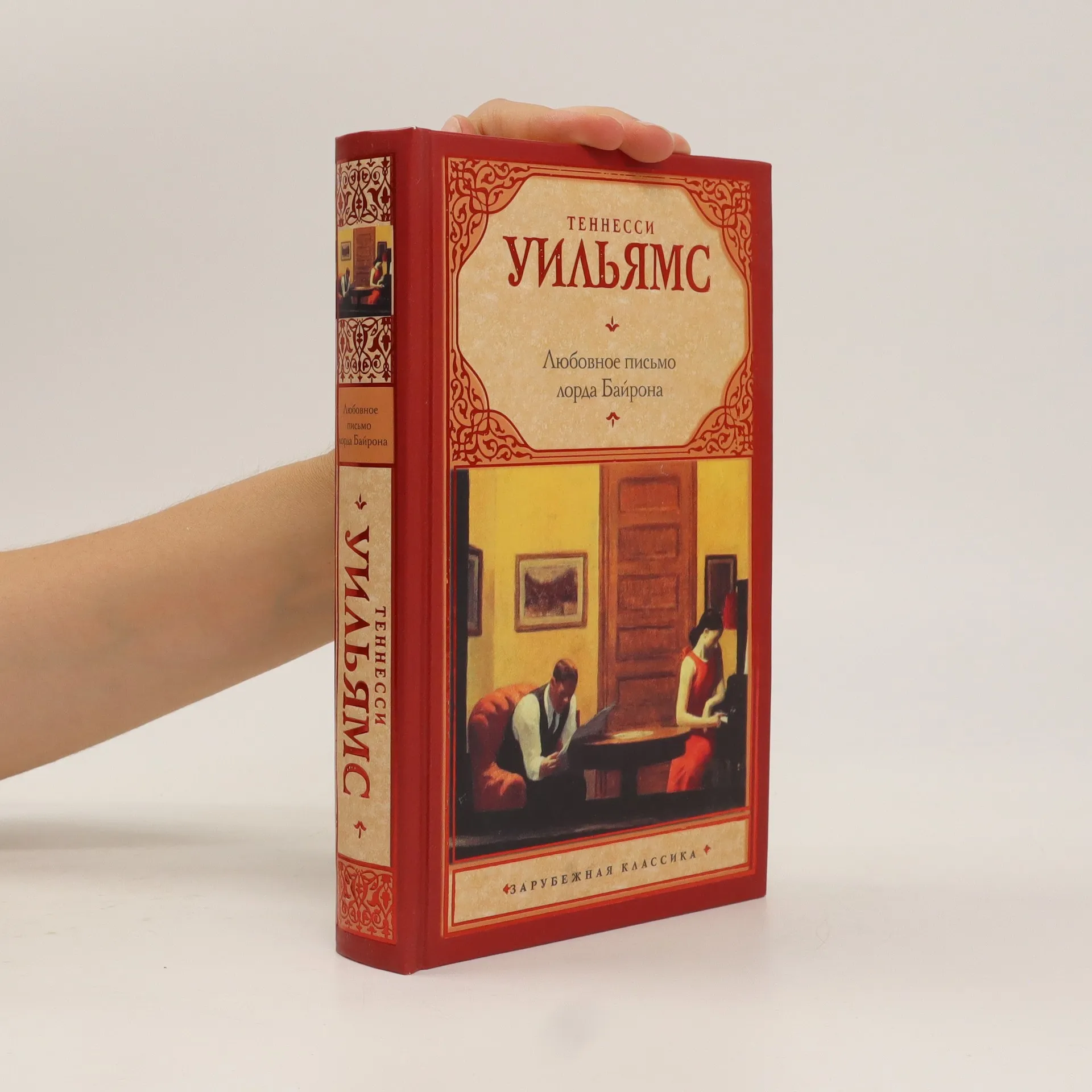
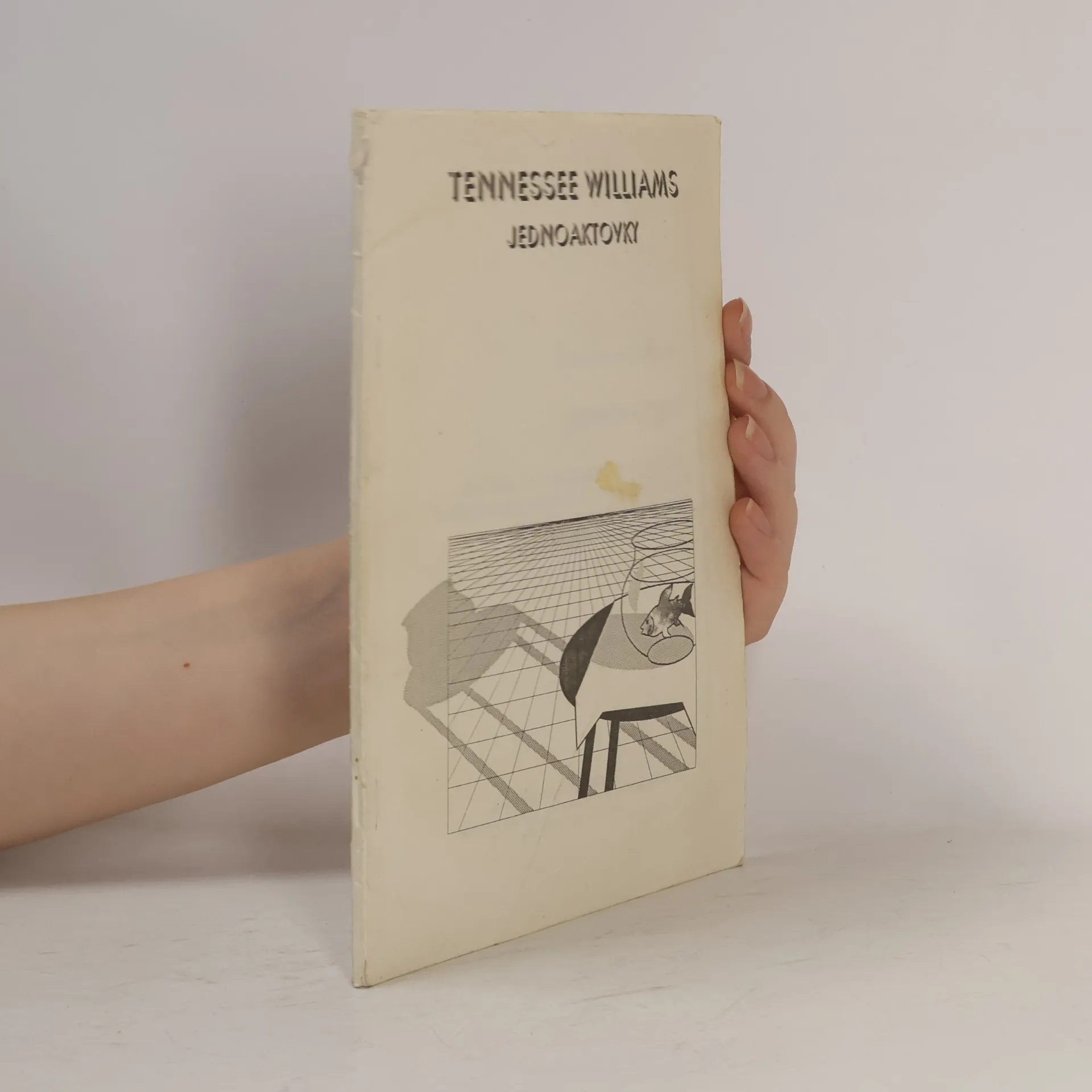
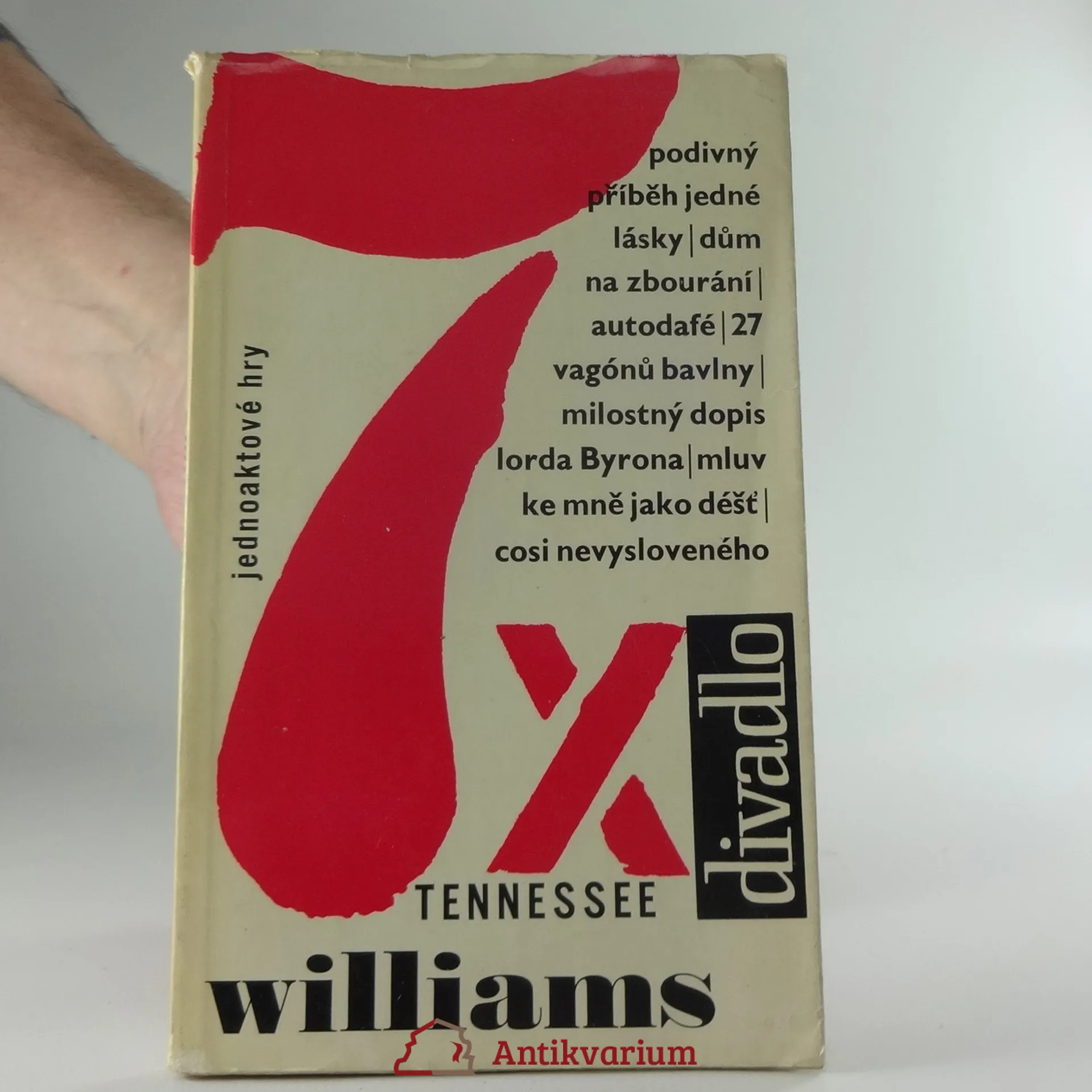
Soubor 7x Tennessee Williams obsahuje jednoaktové hry: Podivný příběh jedné lásky (1946) — Dům na zbourání (1946) — Autodafé (1946) — 27 vagónů bavlny (1953) — Milostný dopis lorda Byrona (1946) — Mluv ke mně jako déšť... (1953) — Cosi nevysloveného (1953). V knížce zařazené aktovky amerického dramatika, pevně zakotveného i na našich divadelních scénách, vznikly vesměs v době jeho dramatických začátků, ale mají už všechny znaky jeho pozdějších vrcholných her. Stejně jako ony nechtějí řešit psychologické problémy jedince, ale snaží se na příběhu několika lidí dobrat se pravdy lidského zážitku, ukázat, že nejsou „ani ničemové, ani hrdinové, nýbrž jen cesty a scestí, kterými se ubírají lidé“.
V prostředí poživačného Říma rozvíjí příběh stárnoucí ženy, vdovy po americkém milionáři a někdejší herečky, která hnána sexem a touhou přesvědčit se, že dosud vzdoruje přicházejícímu stáří, se stane trapnou obětí římského gigola.
Le ragioni del successo di Tennessee Williams che, iniziato nel 1944-1945 proprio con The Glass Menagerie,ha toccato l'apice nel primo decennio del dopoguerra, possono essere trovate nel confondersi degli elementi con i quali lo scrittore compone i suoi drammi, che appaiono così una sorta di riflesso, esasperato e lucidamente torbido, delle inquietudini e del disagio morale di molta parte della coscienza moderna. I personaggi che Williams ci presenta, come le storie che ci narra, nascono sempre dalla fusione di un realismo violento, spesso brutale e provocatorio, con struggimenti patetici, quasi romantici e non di rado morbosi, da una specie di fermentazione dolorosa ed esaltante della memoria entro un presente crudele, che delude i sogni e che travolge il sognatore incapace di mantenere i contatti con la realtà.
Tennessee Williams: Električka zvaná Túžba Jean Anouilh: Božia česť Friedrich Dürrenmatt: Fyzici John Osborne: Obzri sa v hneve Július Pašteka: Nové obzory súčasného divadla
THE STORY: Kerr, in the NY Herald-Tribune, describes: This, says Mr. Williams through the most sympathetic voice among his characters, 'is a true story about the time and the world we live in.' He has made it seem true--or at least curiously and su
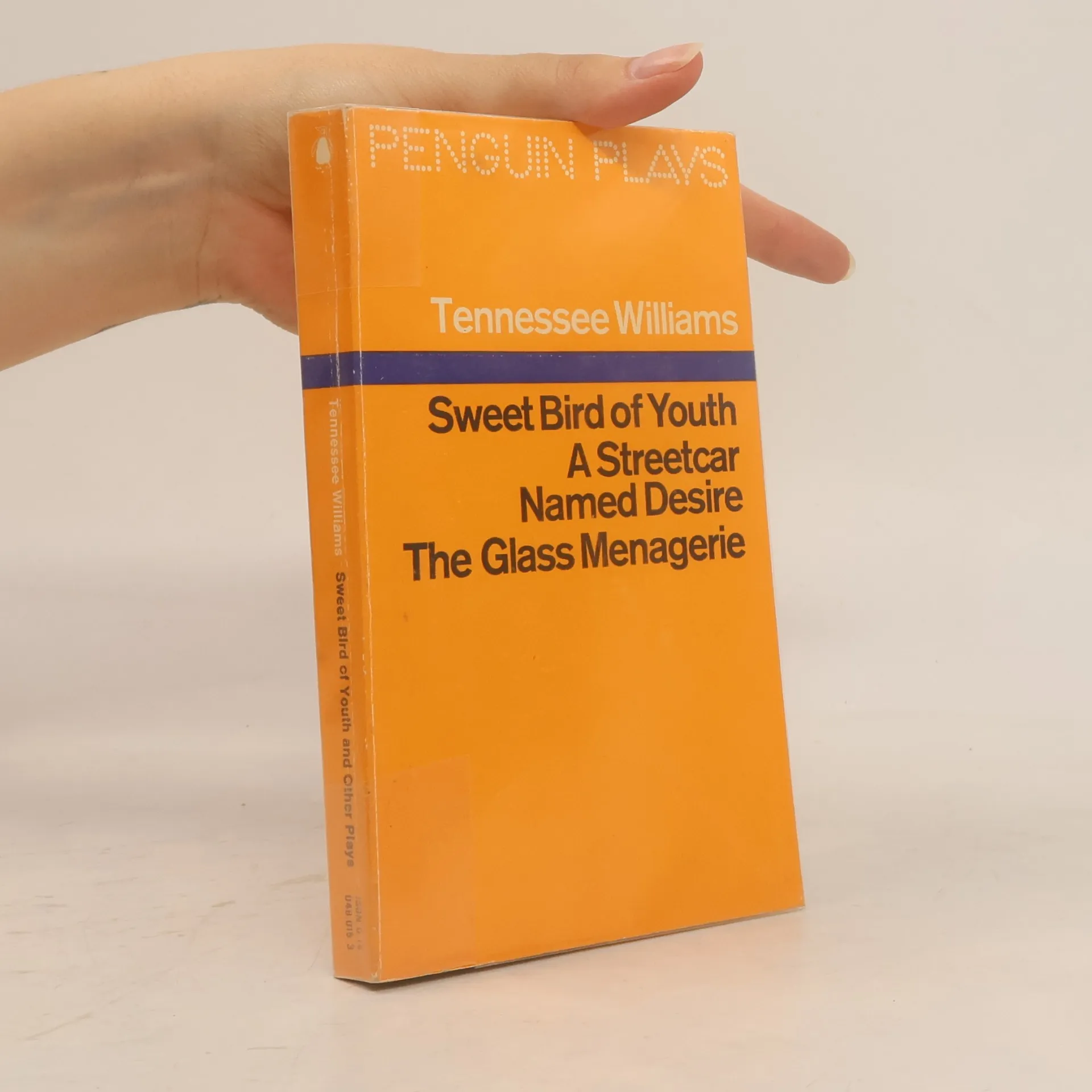
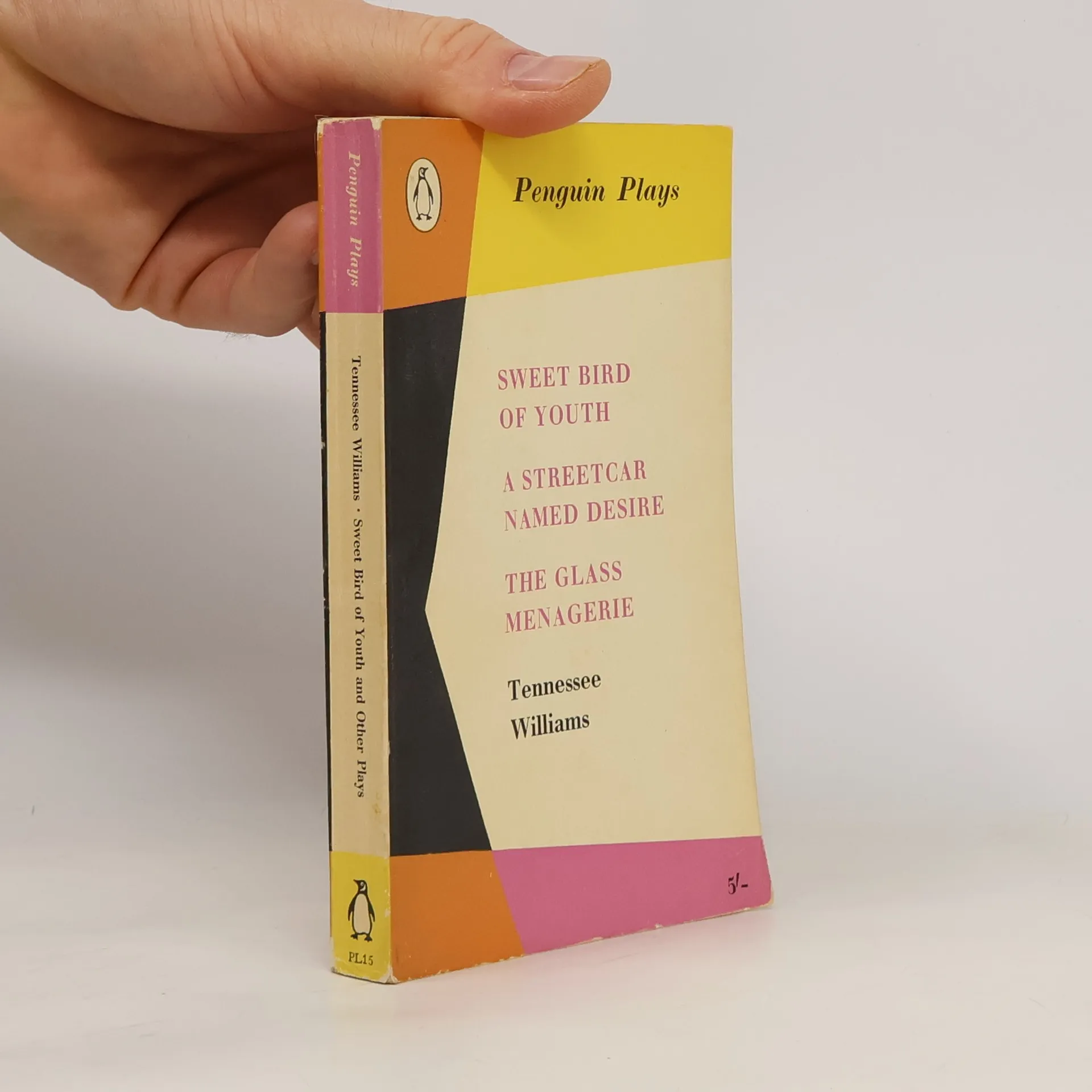
Writing in 1959, at about the time Elia Kazan directed Sweet Bird of Youth on Broadway, Tennessee Williams described his first successful play as being "about as violent as you can get on the stage. During the 19 years since then I have only produced five plays that are not violent". First among them The Glass Menagerie, the memory play which was first presented in London in 1948 and in which he employed every device of scenery, lighting, and music to evoke nostalgia. The following year, he scored one of his biggest successes with A Streetcar named Desire, in which a woman's pathetic fantasies of primness and respectability are stripped down and violently exposed in New Orleans. --back cover
Williams' play about drifter Chance Wayne who returns to his hometown with a
faded movie star hoping to find the girl of his youth is a classic study of
the dream of recapturing youth and finding fame. This edition features an
extensive critical commentary and questions aimed at students of the play.
Lucy Bailey's adaptation brings a fresh perspective to Tennessee Williams' notorious screenplay, capturing the intense emotions and complex characters that define the original work. The narrative explores themes of desire, desperation, and the human condition, while maintaining the dramatic tension and lyrical dialogue characteristic of Williams' style. This interpretation invites audiences to experience the story anew, highlighting its timeless relevance and emotional depth.
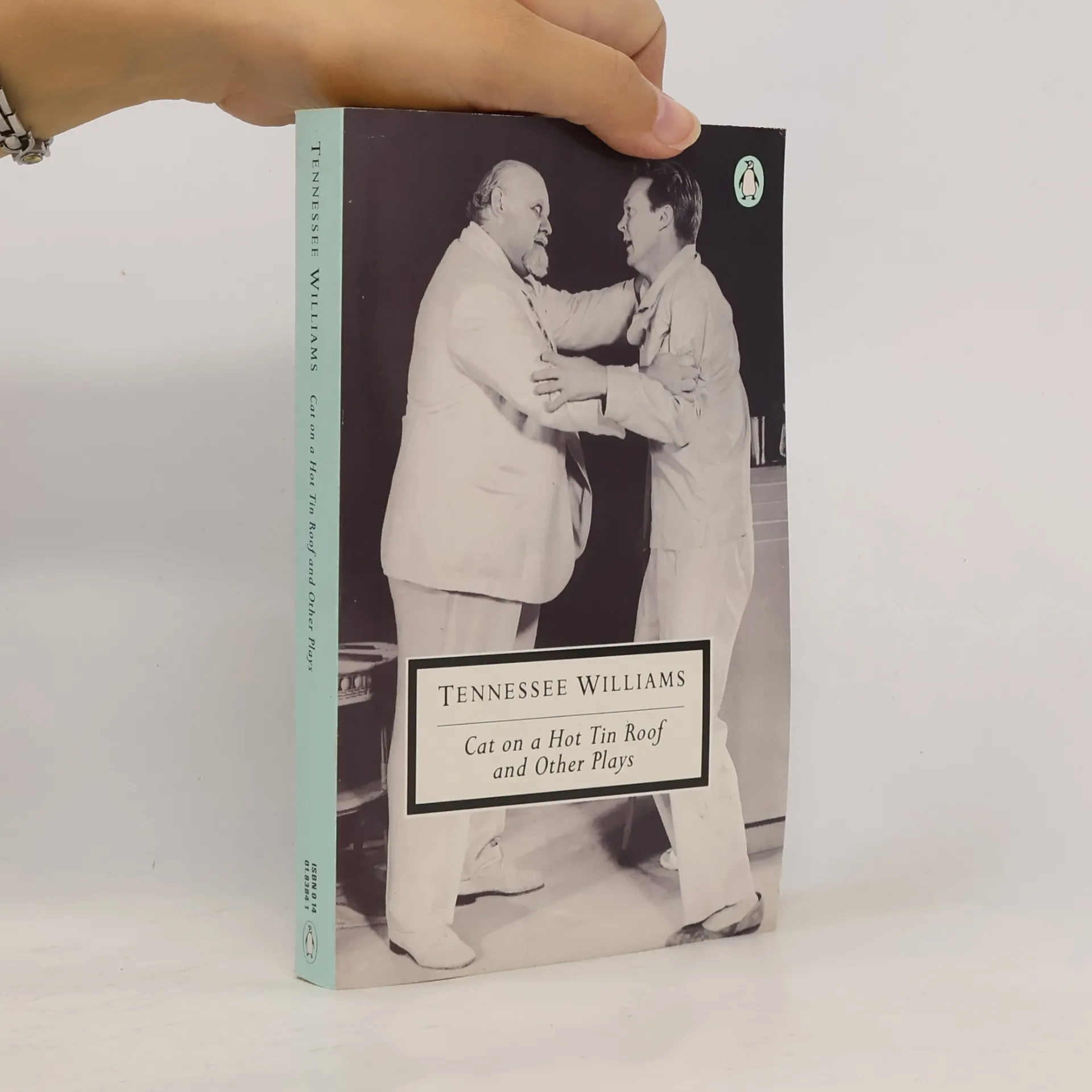
Cat on a Hot Tin Roof first heated up Broadway in 1955 with its gothic American story of brothers vying for their dying father’s inheritance amid a whirlwind of sexuality, untethered in the person of Maggie the Cat. The play also daringly showcased the burden of sexuality repressed in the agony of her husband, Brick Pollitt. In spite of the public controversy Cat stirred up, it was awarded the Pulitzer Prize and the Drama Critics Circle Award for that year. Williams, as he so often did with his plays, rewrote Cat on a Hot Tin Roof for many years—the present version was originally produced at the American Shakespeare Festival in 1974 with all the changes that made Williams finally declare the text to be definitive, and was most recently produced on Broadway in the 2003–2004 season. This definitive edition also includes Williams&rsquoi; essay “Person-to-Person,” Williams’ notes on the various endings, and a short chronology of the author’s life. One of America’s greatest living playwrights, as well as a friend and colleague of Williams, Edward Albee has written a concise introduction to the play from a playwright’s perspective, examining the candor, sensuality, power, and impact of Cat on a Hot Tin Roof then and now.
Anläßlich »Big Daddys« Geburtstag trifft die gesamte Familie zusammen. Zeit, alte Familienstreitigkeiten wieder aufbrechen zu lassen, alte Haßgefühle zu aktivieren, aber auch Zeit, um sich endlich der Wahrheit zu stellen. Die Katze ist die sexgeladene Maggie, die mit ihrer Vitalität versucht, den Bannkreis von Heuchelei, Selbsttäuschung und verlogener Moral zu durchbrechen, um ihren Mann Brick und ihre Ehe zu retten und sich dabei selbst einer Lüge bedienen muß. ›Die Katze auf dem heißen Blechdach‹ brachte seinem Autor zum zweitenmal den Pulitzerpreis und Liz Taylor in der Filmrolle der Maggie Pollitt Weltruhm ein. Tennessee Williams' berühmtestes Theaterstück liegt nun in einer neuen Übersetzung von Jörn van Dyck vor. Der Band enthält jedoch nicht nur das für die Broadway-Uraufführung geschönte Ende der zweiten Fassung von Tennessee Williams, sondern auch das ursprüngliche Ende der Originalfassung.
Siamo a New Orleans (in quel Sud che è caratteristico dell'ambientazione delle commedie di Williams) ed i temi che il dramma agita sono ancora una volta quelli del sesso e della violenza. Qui come altrove, al centro della partitura teatrale, è la figura di donna, alcoolizzata, ninfomane sino alla demenza. Un altro notevole commediografo americano, Arthur Miller, ha rimproverato a Williams di non immergere i suoi personaggi in un concreto tessuto di circostanze storiche. Egli non ha inteso che il Sud favoloso e mitico dell'autore è il luogo in cui l'uomo contemporaneo celebra la sua decadenza e la sua fine. I giovani inquieti e malati di Williams, le sue donne perdute, che tentano di ritrovare se stesse attraverso un disperato ritorno ad uno stato materno, sono le figure-simbolo di una tragedia che non è solo dell'America d'oggi. La commedia fu allestita la prima volta a New York il 3 dicembre 1947 per la regia di Elia Kazan, interpreti Marlon Brando, Karl Malden e Kim Hunter.