

Il libro è attualmente esaurito
Maggiori informazioni sul libro
Exploring the fragility of traditional moral concepts, this work challenges the views of past philosophers. Nietzsche encourages future thinkers to embrace creativity in truth and adopt a critical perspective. Divided into nine sections with 296 aphorisms, the book employs a critical and witty style to examine various facets of modern life, including religion, morality, free will, and the nature of virtues and nobility. It serves as a call to philosophers to engage in experimentation and redefine their understanding of existence.


Pubblicazione
- 2024

- 2024
- 2023
- 2023
- 2023
- 2023
- 2023
- 2023
- 2023
- 2023
- 2023
- 2023

- 2022
- 2022
- 2022
- 2022
- 2022
- 2022
- 2022
- 2021
- 2021
- 2021
- 2021
- 2021
- 2021
- 2021
- 2021

- 2020
- 2020
- 2020
- 2020
- 2020
- 2020
- 2020
- 2020
- 2020
- 2020
- 2020
- 2020
- 2020
- 2020
- 2020
- 2020
- 2020
- 2020
- 2020

- 2019
- 2019
- 2019
- 2019
- 2019


- 2018
- 2018
- 2018
- 2018
- 2018
- 2018
- 2018
- 2018
- 2018
- 2018
- 2017
- 2017
- 2017
- 2017
- 2016

- 2013
- 2012
- 2010
- 2009
- 2009
- 2008
- 2008
- 2008
- 2008
- 2007
- 2007
- 2006
- 2005
- 2005
- 2004
- 2004






Acquisto del libro
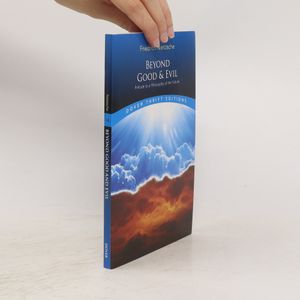
Beyond Good & Evil, Friedrich Wilhelm Nietzsche
- Lingua

- Pubblicato
- 2019
Ti avviseremo via email non appena lo rintracceremo.
Metodi di pagamento
Qui potrebbe esserci la tua recensione.
- Titolo
- Beyond Good & Evil
- Lingua
- Inglese
- Editore
- MAPLE PRESS PVT LTD
- Pubblicato
- 2019
- Pagine
- 192
- ISBN13
- 9789350334980
- Serie
- Tag
- Saggistica, Scienze sociali, Storie vere, Temi psicologici, Tematica filosofica, Letteratura tedesca, Giornalismo d’opinione & Saggi, XIX Secolo
- Prima pubblicazione
- 1886
- Titolo originale
- Jenseits von Gut und Böse
- Valutazione
- 4,25 su 5
- Descrizione
- Exploring the fragility of traditional moral concepts, this work challenges the views of past philosophers. Nietzsche encourages future thinkers to embrace creativity in truth and adopt a critical perspective. Divided into nine sections with 296 aphorisms, the book employs a critical and witty style to examine various facets of modern life, including religion, morality, free will, and the nature of virtues and nobility. It serves as a call to philosophers to engage in experimentation and redefine their understanding of existence.