

Il libro è attualmente esaurito
Maggiori informazioni sul libro
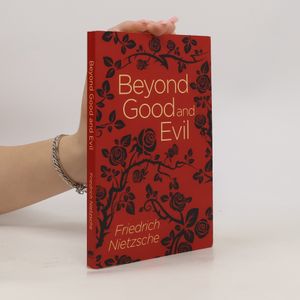
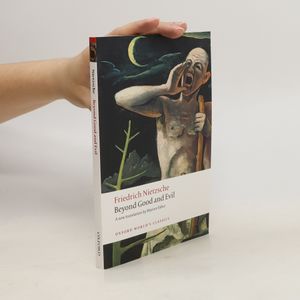
Friedrich Nietzsche's work critiques traditional morality and challenges the blind acceptance of Christian ideals by previous philosophers. Through a series of essays and aphorisms, he argues that human values are not absolute, highlighting the hypocrisy in value distinctions. This influential collection, first published in 1886, has significantly shaped modern intellectual thought, inviting readers to reconsider the foundations of their moral beliefs.


Pubblicazione
- 2024

- 2024
- 2023
- 2023
- 2023
- 2023
- 2023
- 2023
- 2023
- 2023
- 2023
- 2023

- 2022
- 2022
- 2022
- 2022
- 2022
- 2022
- 2022
- 2021
- 2021
- 2021
- 2021
- 2021
- 2021
- 2021
- 2021

- 2020
- 2020
- 2020
- 2020
- 2020
- 2020
- 2020
- 2020
- 2020
- 2020
- 2020
- 2020
- 2020
- 2020
- 2020
- 2020
- 2020
- 2020
- 2020

- 2019
- 2019
- 2019
- 2019
- 2019


- 2018
- 2018
- 2018
- 2018
- 2018
- 2018
- 2018
- 2018
- 2018
- 2018
- 2017
- 2017
- 2017
- 2017
- 2016

- 2013
- 2012
- 2010
- 2009
- 2009
- 2008
- 2008
- 2008
- 2008
- 2007
- 2007
- 2006
- 2005
- 2005
- 2004
- 2004







Acquisto del libro
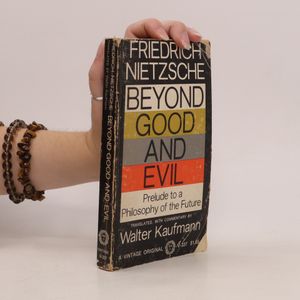
Beyond Good and Evil, Friedrich Wilhelm Nietzsche
- Lingua

- Pubblicato
- 2022
Ti avviseremo via email non appena lo rintracceremo.
Metodi di pagamento
Qui potrebbe esserci la tua recensione.
- Titolo
- Beyond Good and Evil
- Lingua
- Inglese
- Editore
- General Press
- Pubblicato
- 2022
- Pagine
- 218
- ISBN13
- 9789354993749
- Serie
- Tag
- Saggistica, Scienze sociali, Storie vere, Temi psicologici, Tematica filosofica, Letteratura tedesca, Giornalismo d’opinione & Saggi, XIX Secolo
- Prima pubblicazione
- 1886
- Titolo originale
- Jenseits von Gut und Böse
- Valutazione
- 4,25 su 5
- Descrizione
- Friedrich Nietzsche's work critiques traditional morality and challenges the blind acceptance of Christian ideals by previous philosophers. Through a series of essays and aphorisms, he argues that human values are not absolute, highlighting the hypocrisy in value distinctions. This influential collection, first published in 1886, has significantly shaped modern intellectual thought, inviting readers to reconsider the foundations of their moral beliefs.