

Maggiori informazioni sul libro
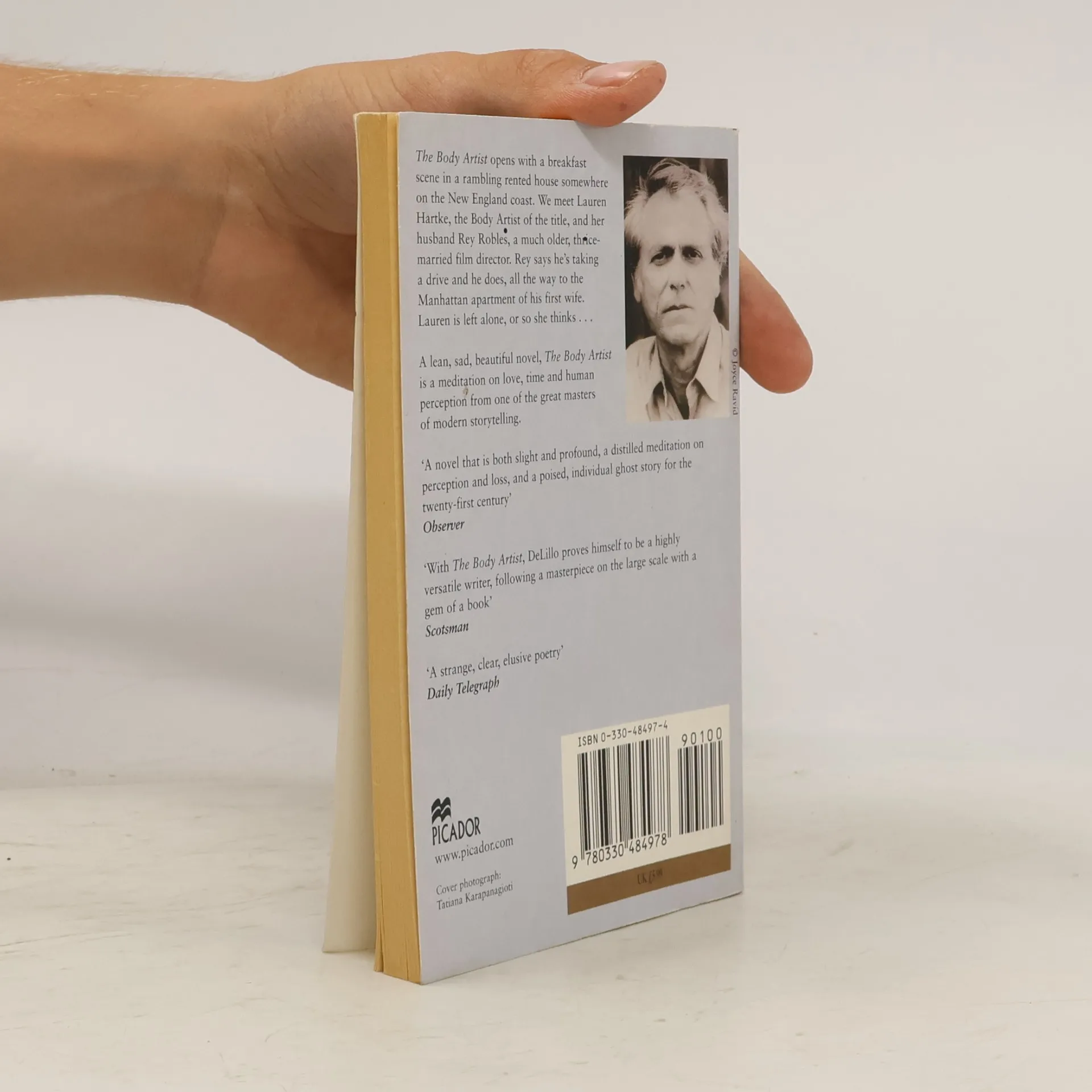
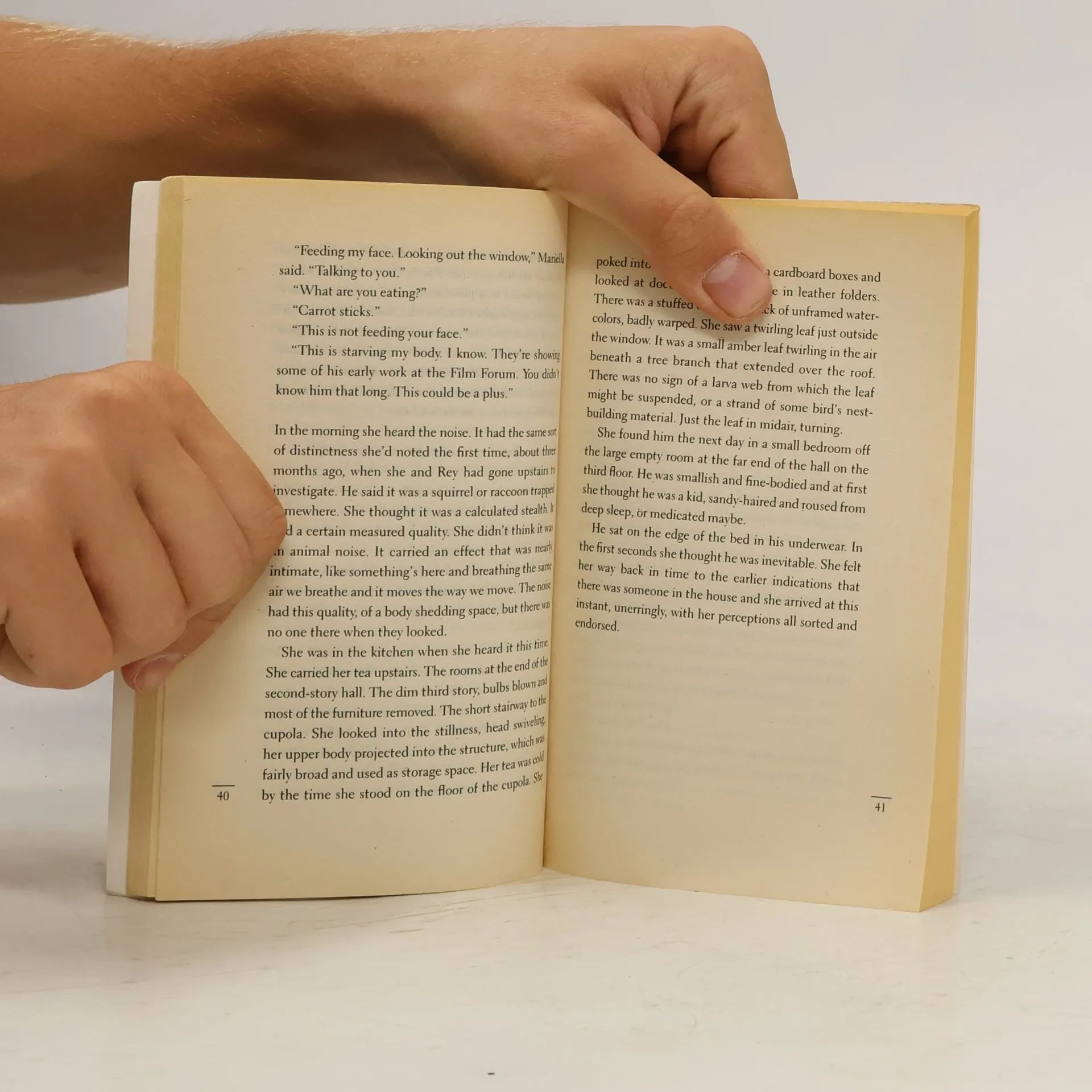
Don DeLillo, known for his expansive novels, shifts focus in this work to explore the depths of a single life and death. The story centers on Lauren Hartke, who shares a seemingly ordinary breakfast with her husband, Rey, before his tragic suicide. This opening sequence intricately captures Lauren's consciousness as she engages in mundane tasks. Following Rey's death, Lauren returns to their summer rental, where she discovers an enigmatic young man living in a spare room. His presence is elusive, and he begins to echo Rey's voice, replaying conversations from before the suicide. This raises questions about whether Rey has been reincarnated or if the young man is merely mimicking what he overheard. DeLillo refrains from providing clear answers, allowing Lauren to navigate her grief and confusion while reflecting on the intersection of life and death. Though some of his rhetoric may stray into abstraction, the emotional core remains poignant. The narrative delves into the complexities of love and loss, revealing how the abrupt absence of a loved one can lead to profound self-reflection. This work, while shorter than his usual fare, demonstrates DeLillo's willingness to explore personal trauma, proving that depth can be just as impactful as breadth.






Acquisto del libro
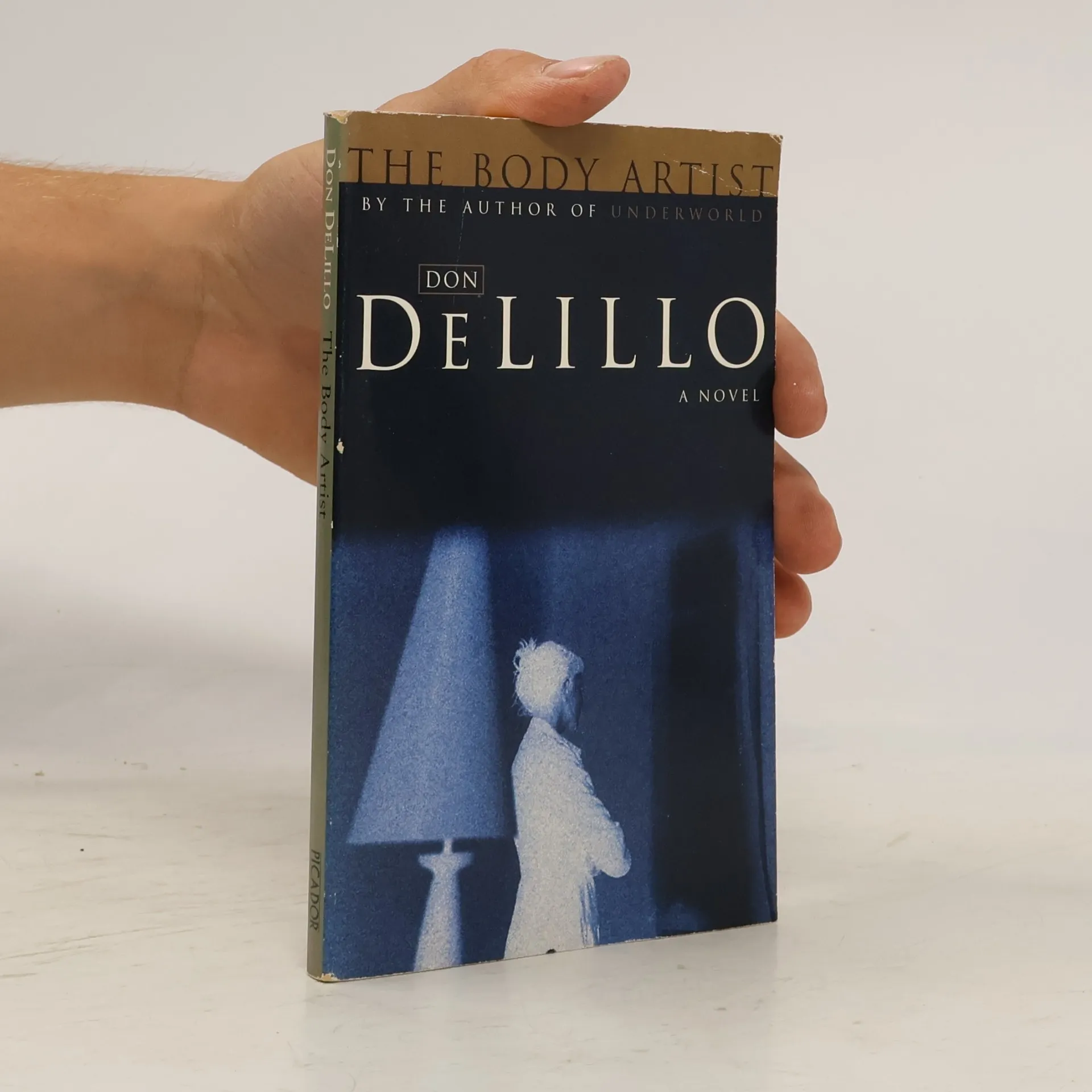
The Body Artist, Don DeLillo
- Lingua

- Pubblicato
- 2001
- Rilegatura
- (In brossura),
- Condizioni del libro
- In buone condizioni
- Prezzo
- 3,19 €
Metodi di pagamento
Qui potrebbe esserci la tua recensione.
- Titolo
- The Body Artist
- Lingua
- Inglese
- Autori
- Don DeLillo
- Editore
- Picador
- Pubblicato
- 2001
- Formato
- In brossura
- Pagine
- 124
- ISBN10
- 0330484974
- ISBN13
- 9780330484978
- Serie
- Valutazione
- 3,3 su 5
- Descrizione
- Don DeLillo, known for his expansive novels, shifts focus in this work to explore the depths of a single life and death. The story centers on Lauren Hartke, who shares a seemingly ordinary breakfast with her husband, Rey, before his tragic suicide. This opening sequence intricately captures Lauren's consciousness as she engages in mundane tasks. Following Rey's death, Lauren returns to their summer rental, where she discovers an enigmatic young man living in a spare room. His presence is elusive, and he begins to echo Rey's voice, replaying conversations from before the suicide. This raises questions about whether Rey has been reincarnated or if the young man is merely mimicking what he overheard. DeLillo refrains from providing clear answers, allowing Lauren to navigate her grief and confusion while reflecting on the intersection of life and death. Though some of his rhetoric may stray into abstraction, the emotional core remains poignant. The narrative delves into the complexities of love and loss, revealing how the abrupt absence of a loved one can lead to profound self-reflection. This work, while shorter than his usual fare, demonstrates DeLillo's willingness to explore personal trauma, proving that depth can be just as impactful as breadth.