

Maggiori informazioni sul libro
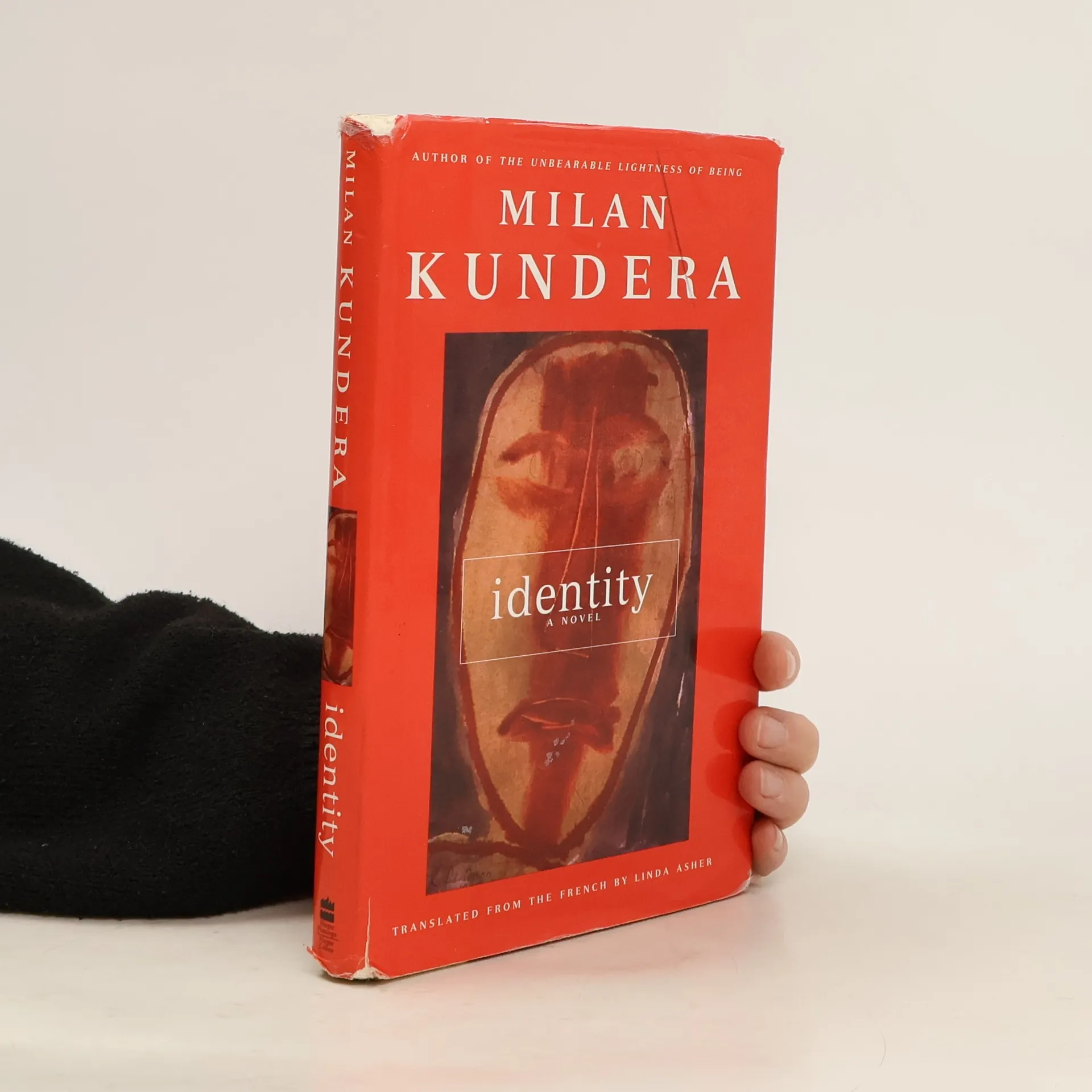
Milan Kundera's Identity translated from the French by Linda Asher. There are situations in which we fail for a moment to recognize the person we are with, in which the identity of the other is erased while we simultaneously doubt our own. That also happens with couples -- indeed, above all with couples, because lovers fear more than anything else "losing sight" of the loved one. With stunning artfulness in expanding and playing variations on the meaningful moment, Milan Kundera has made this situation -- and the vague sense of panic it inspires -- the very fabric of his new novel. Here brevity goes hand in hand with intensity, and a moment of bewilderment marks the start of a labyrinthine journey during which the reader repeatedly crosses the border between the real and the unreal, between what occurs in the world outside and what the mind creates in its solitude. Of all contemporary writers, only Kundera can transform such a hidden and disconcerting perception into the material for a novel, one of his finest, most painful, and most enlightening. Which, surprisingly, turns out to be a love story.




Acquisto del libro
Identity, Milan Kundera
- Lingua

- Pubblicato
- 1998
Metodi di pagamento
Qui potrebbe esserci la tua recensione.
- Titolo
- Identity
- Lingua
- Inglese
- Autori
- Milan Kundera
- Editore
- Harper
- Pubblicato
- 1998
- ISBN10
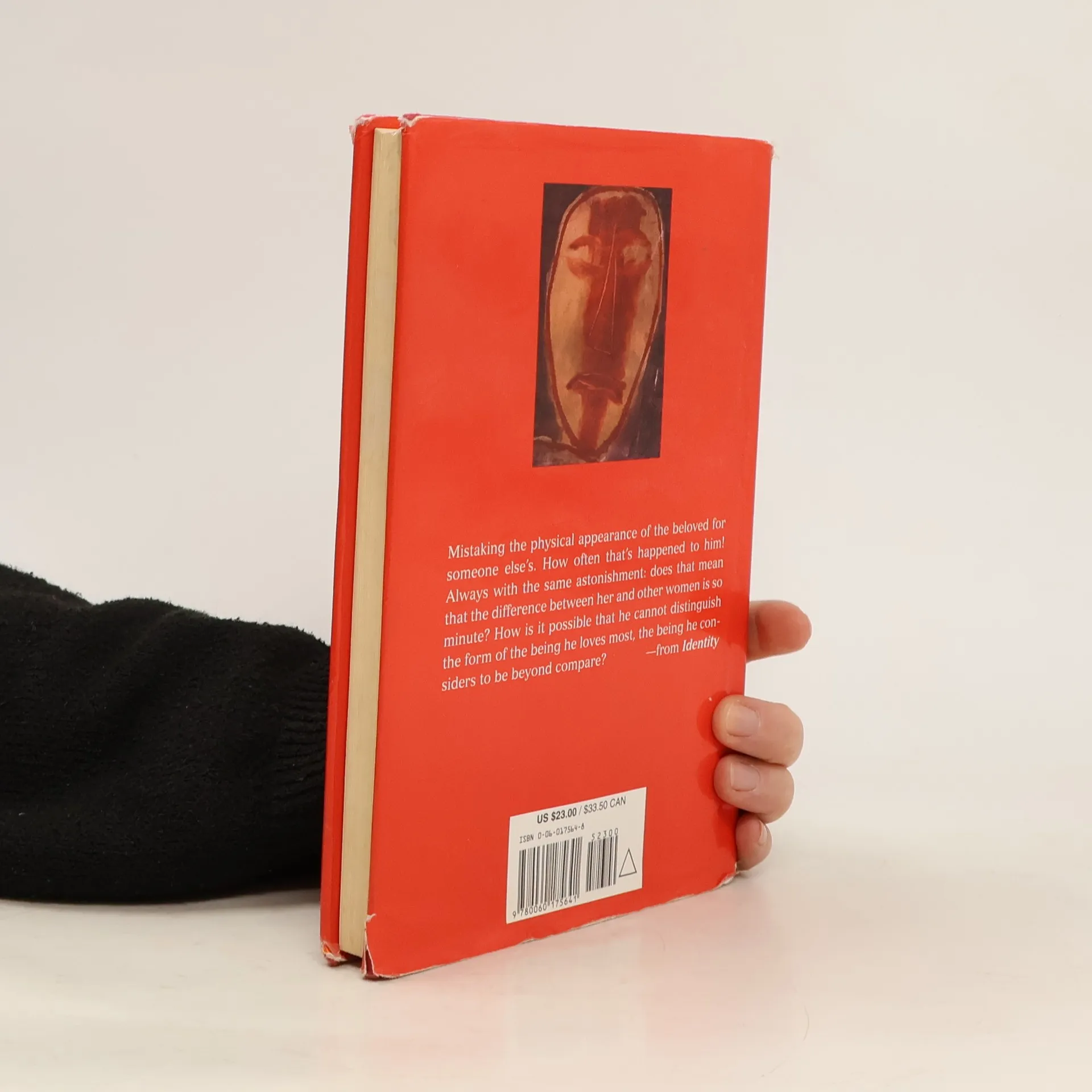
- 0060175648
- ISBN13
- 9780060175641
- Serie
- Prima pubblicazione
- 1997
- Titolo originale
- L'identité
- Valutazione
- 3,75 su 5
- Descrizione
- Milan Kundera's Identity translated from the French by Linda Asher. There are situations in which we fail for a moment to recognize the person we are with, in which the identity of the other is erased while we simultaneously doubt our own. That also happens with couples -- indeed, above all with couples, because lovers fear more than anything else "losing sight" of the loved one. With stunning artfulness in expanding and playing variations on the meaningful moment, Milan Kundera has made this situation -- and the vague sense of panic it inspires -- the very fabric of his new novel. Here brevity goes hand in hand with intensity, and a moment of bewilderment marks the start of a labyrinthine journey during which the reader repeatedly crosses the border between the real and the unreal, between what occurs in the world outside and what the mind creates in its solitude. Of all contemporary writers, only Kundera can transform such a hidden and disconcerting perception into the material for a novel, one of his finest, most painful, and most enlightening. Which, surprisingly, turns out to be a love story.