

Il libro è attualmente esaurito
Maggiori informazioni sul libro
Shakespeare's portrayal of Caesar presents a modern, complex character who grapples with vulnerability and self-awareness, contrasting with Plutarch's depiction. The play's open-ended structure suggests that its events resonate beyond the final scene, leaving the historical significance ambiguous. John D. Cox's introduction explores genre, characterization, and rhetoric, alongside a comprehensive history of critical analysis. Additional appendices feature key excerpts from influential works by Lucretius, Plutarch, and Montaigne, enriching the reader's understanding of the play's context.

Pubblicazione


- 2024

- 2024
- 2023
- 2023
- 2023
- 2022
- 2022
- 2022
- 2022
- 2022
- 2022
- 2021
- 2021
- 2021
- 2018
- 2018
- 2017
- 2017
- 2016
- 2016
- 2015
- 2014
- 2014
- 2014
- 2013
- 2013
- 2012
- 2012
- 2012
- 2012
- 2012
- 2012
- 2012
- 2012
- 2012
- 2012
- 2012
- 2011
- 2011
- 2011
- 2011
- 2011
- 2011
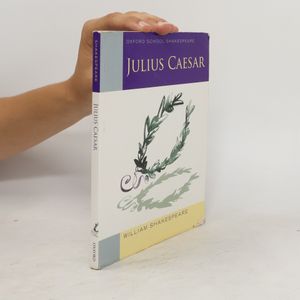
- 2010
- 2010
- 2009




- 2003


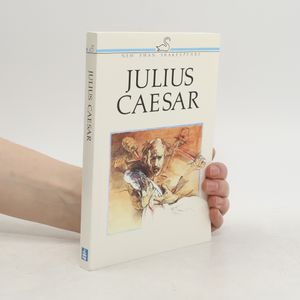
- 2000
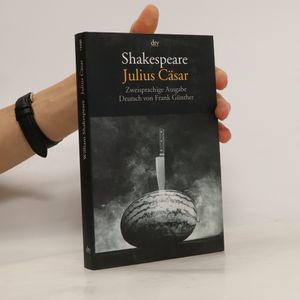
- 1998
- 1997


- 1992














Acquisto del libro
Julius Caesar, William Shakespeare
- Lingua

- Pubblicato
- 2014
Metodi di pagamento
Qui potrebbe esserci la tua recensione.
- Titolo
- Julius Caesar
- Lingua
- Inglese
- Autori
- William Shakespeare
- Editore
- Maple Press
- Pubblicato
- 2014
- Pagine
- 114
- ISBN13
- 9789380005706
- Serie
- Tag
- Narrativa, Tema stórico, Classici, Guerre, Omicidi, Morte, Letteratura inglese, Opere teatrali, Tradimento, Roma, Rom, Tragedia, Drammi inglesi, Drammi storici, Gaio Giulio Cesare
- Prima pubblicazione
- 1599
- Titolo originale
- The Tragedy of Julius Caesar
- Valutazione
- 3,75 su 5
- Descrizione
- Shakespeare's portrayal of Caesar presents a modern, complex character who grapples with vulnerability and self-awareness, contrasting with Plutarch's depiction. The play's open-ended structure suggests that its events resonate beyond the final scene, leaving the historical significance ambiguous. John D. Cox's introduction explores genre, characterization, and rhetoric, alongside a comprehensive history of critical analysis. Additional appendices feature key excerpts from influential works by Lucretius, Plutarch, and Montaigne, enriching the reader's understanding of the play's context.