



Maggiori informazioni sul libro
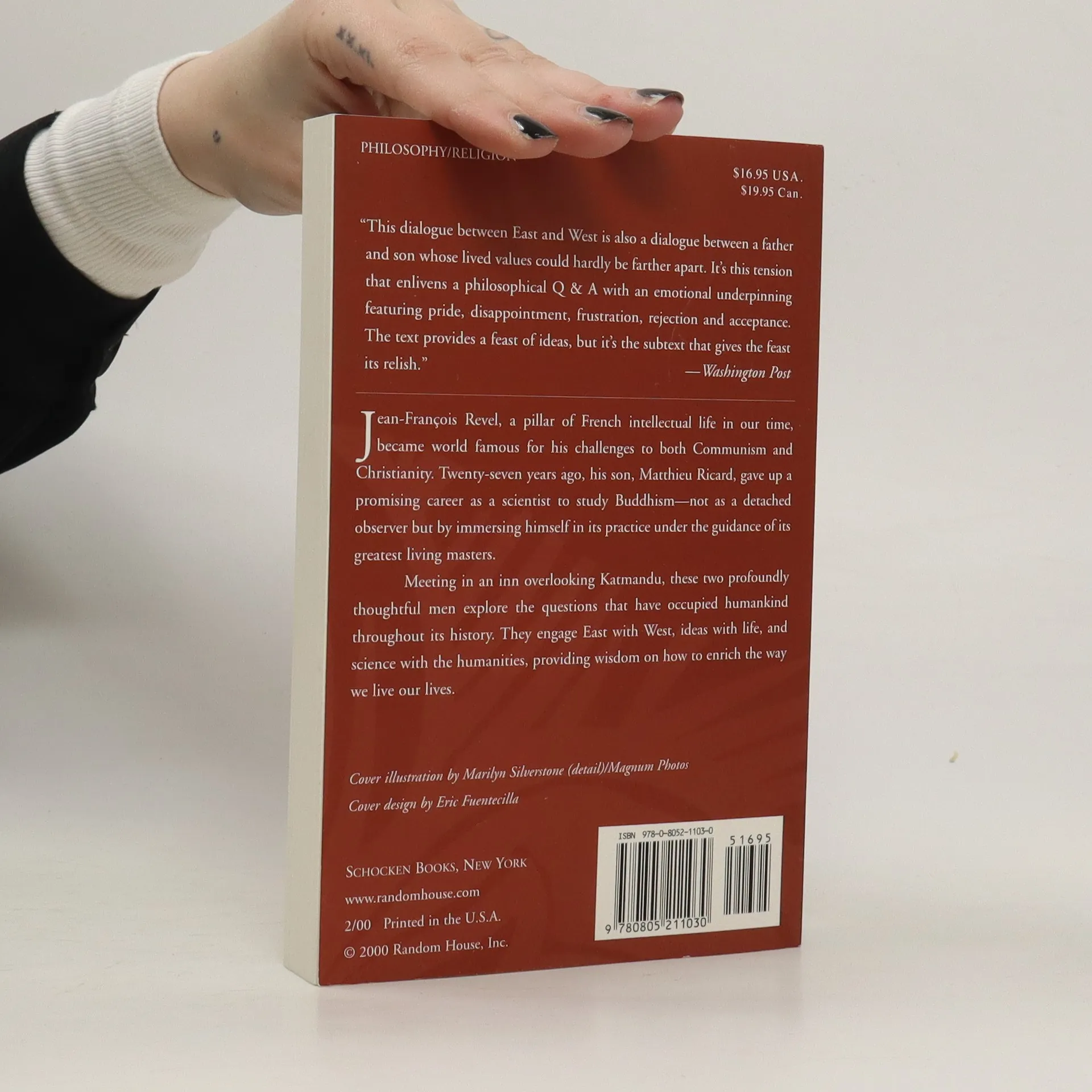
Jean Francois-Revel, a pillar of French intellectual life in our time, became world famous for his challenges to both Communism and Christianity. Twenty-seven years ago, his son, Matthieu Ricard, gave up a promising career as a scientist to study Tibetan Buddhism -- not as a detached observer but by immersing himself in its practice under the guidance of its greatest living masters. Meeting in an inn overlooking Katmandu, these two profoundly thoughtful men explored the questions that have occupied humankind throughout its history. Does life have meaning? What is consciousness? Is man free? What is the value of scientific and material progress? Why is there suffering, war, and hatred? Their conversation is not merely abstract: they ask each other questions about ethics, rights, and responsibilities, about knowledge and belief, and they discuss frankly the differences in the way each has tried to make sense of his life. Utterly absorbing, inspiring, and accessible, this remarkable dialogue engages East with West, ideas with life, and science with the humanities, providing wisdom on how to enrich the way we live our lives.




Acquisto del libro
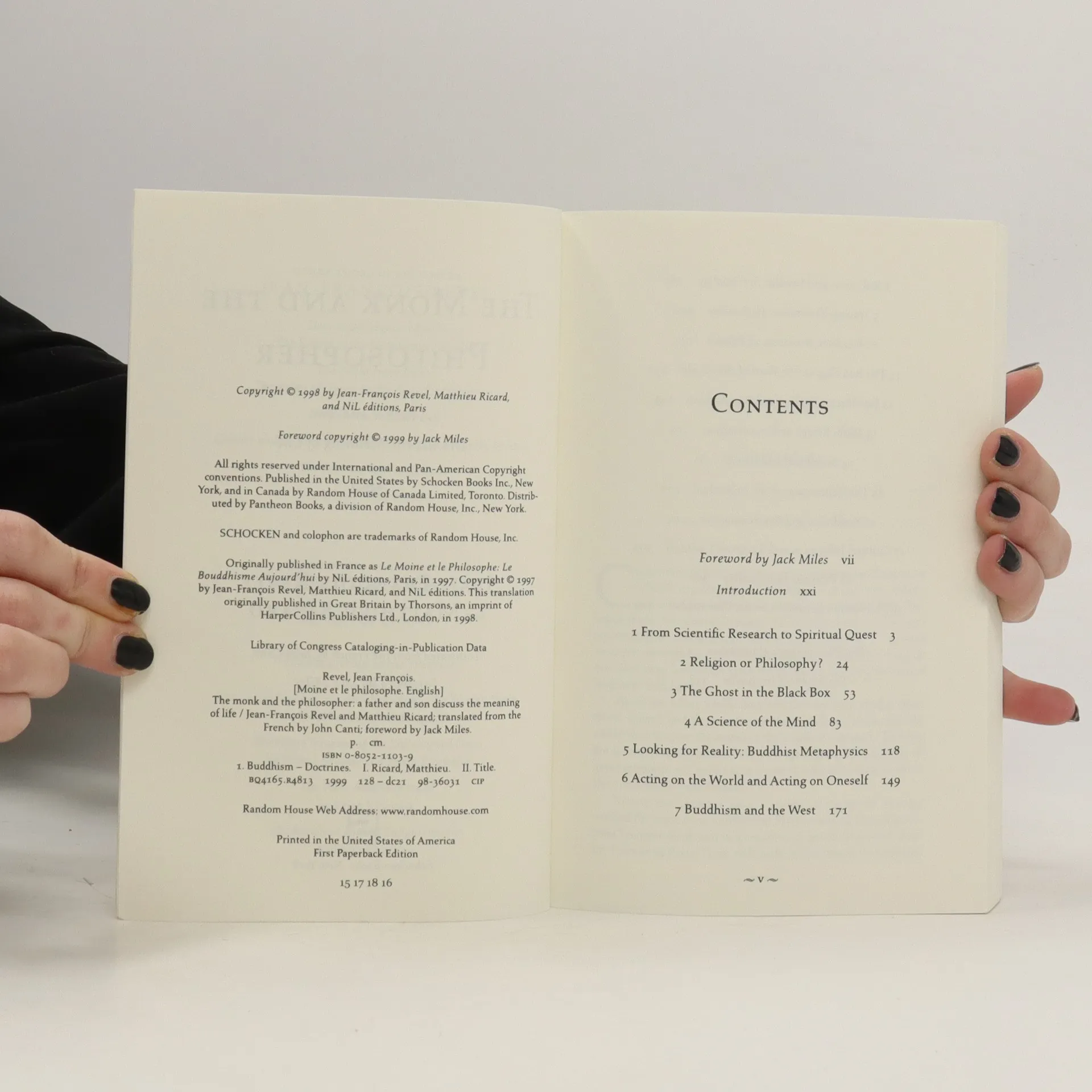
The Monk and the Philosopher, Ricard Matthieu, Jean-François Revel
- Lingua

- Pubblicato
- 2000
- Rilegatura
- (In brossura)
Metodi di pagamento
Qui potrebbe esserci la tua recensione.
- Lingua
- Inglese
- Editore
- Schocken
- Pubblicato
- 2000
- Formato
- In brossura
- ISBN10
- 0805211039
- ISBN13
- 9780805211030
- Serie
- Tag
- Saggistica, Scienze sociali, Esoterismo e religione, Auto-aiuto, Temi psicologici, Temi religiosi, Tematica filosofica, Religione, Filosofia, Spiritualità e Religione, Francia, Buddhismo
- Titolo originale
- Le moine et le philosophe
- Valutazione
- 4,15 su 5
- Descrizione
- Jean Francois-Revel, a pillar of French intellectual life in our time, became world famous for his challenges to both Communism and Christianity. Twenty-seven years ago, his son, Matthieu Ricard, gave up a promising career as a scientist to study Tibetan Buddhism -- not as a detached observer but by immersing himself in its practice under the guidance of its greatest living masters. Meeting in an inn overlooking Katmandu, these two profoundly thoughtful men explored the questions that have occupied humankind throughout its history. Does life have meaning? What is consciousness? Is man free? What is the value of scientific and material progress? Why is there suffering, war, and hatred? Their conversation is not merely abstract: they ask each other questions about ethics, rights, and responsibilities, about knowledge and belief, and they discuss frankly the differences in the way each has tried to make sense of his life. Utterly absorbing, inspiring, and accessible, this remarkable dialogue engages East with West, ideas with life, and science with the humanities, providing wisdom on how to enrich the way we live our lives.