

Il libro è attualmente esaurito
Maggiori informazioni sul libro
In 1886, at the height of his powers, Nietzsche published "Beyond Good and Evil." Here he examines much of the best of human thought--dogmatic philosophy, Judeo-Christian morality, science and democracy - and finds it lacking. Rejecting "slave-morality" he presents his prescient vision of the future of philosophy with poetry and passion.


Pubblicazione
- 2024

- 2024
- 2023
- 2023
- 2023
- 2023
- 2023
- 2023
- 2023
- 2023
- 2023
- 2023

- 2022
- 2022
- 2022
- 2022
- 2022
- 2022
- 2022
- 2021
- 2021
- 2021
- 2021
- 2021
- 2021
- 2021
- 2021

- 2020
- 2020
- 2020
- 2020
- 2020
- 2020
- 2020
- 2020
- 2020
- 2020
- 2020
- 2020
- 2020
- 2020
- 2020
- 2020
- 2020
- 2020
- 2020

- 2019
- 2019
- 2019
- 2019
- 2019


- 2018
- 2018
- 2018
- 2018
- 2018
- 2018
- 2018
- 2018
- 2018
- 2018
- 2017
- 2017
- 2017
- 2017
- 2016

- 2013
- 2012
- 2010
- 2009
- 2009

- 2008
- 2008
- 2008
- 2008
- 2007
- 2007
- 2006
- 2005
- 2005
- 2004
- 2004






Acquisto del libro
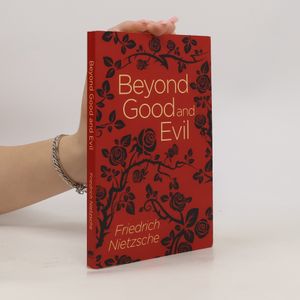
Beyond Good and Evil, Friedrich Wilhelm Nietzsche
- Lingua

- Pubblicato
- 2018
- Rilegatura
- (In brossura)
Ti avviseremo via email non appena lo rintracceremo.
Metodi di pagamento
Qui potrebbe esserci la tua recensione.
- Titolo
- Beyond Good and Evil
- Lingua
- Inglese
- Editore
- Benediction Classics
- Pubblicato
- 2018
- Formato
- In brossura
- Pagine
- 122
- ISBN10
- 1781399492
- ISBN13
- 9781781399491
- Serie
- Tag
- Saggistica, Scienze sociali, Storie vere, Temi psicologici, Tematica filosofica, Letteratura tedesca, Giornalismo d’opinione & Saggi, XIX Secolo
- Prima pubblicazione
- 1886
- Titolo originale
- Jenseits von Gut und Böse
- Valutazione
- 4,25 su 5
- Descrizione
- In 1886, at the height of his powers, Nietzsche published "Beyond Good and Evil." Here he examines much of the best of human thought--dogmatic philosophy, Judeo-Christian morality, science and democracy - and finds it lacking. Rejecting "slave-morality" he presents his prescient vision of the future of philosophy with poetry and passion.