There is no more fascinating question in all of science than that of how time, space, and matter began. Now cutting-edge researcher John Barrow guides readers on a journey to the beginning of time. With new insights, he draws us into the latest speculative theories about the nature of time and the inflationary universe, explains wormholes and how they bear upon our existence, and much more.
I Maestri della Scienza Serie
Questa serie approfondisce la conoscenza scientifica all'avanguardia, presentata dalle menti più eminenti del settore. Ogni volume offre esplorazioni approfondite di concetti chiave e direzioni future in diverse discipline scientifiche. È progettata per rendere le idee scientifiche complesse accessibili a un vasto pubblico. La raccolta esamina l'impatto della scienza sulla società e sulla nostra comprensione del mondo.



La tavola di Mendeleev si può esplorare "dall'alto", come se fosse una variegata nazione di cui ogni elemento chimico costituisce una regione. I territori di questo Regno periodico hanno caratteristiche diverse tra loro, ma anche radici comuni e parentele. E i rapporti e gli scambi tra le regioni sono fondamentali per lo sviluppo della nostra tecnologia. Con la metafora del Regno Atkins racconta in modo originale le proprietà degli elementi chimici, la loro rilevanza nella vita quotidiana, la storia della loro classificazione e i principi che governano le reazioni chimiche.
Gli ultimi tre minuti
- 172pagine
- 7 ore di lettura
Come avverrà la fine del mondo? L'universo sarà annientato da un'esplosione o si spegnerà a poco a poco? Passando in rassegna le più recenti ipotesi della scienza sulla sorte ultima dell'universo, Paul Davies, illustra gli aspetti fisici di uno dei concetti più suggestivi dell'immaginario dell'umanità: il Giorno del Giudizio, la Fine di Tutto. Dalla vita delle stelle a quella delle particelle, "Gli ultimi tre minuti" è un resoconto dei risultati raggiunti dalla fisica contemporanea e, insieme, un'analisi degli aspetti filosofici della questione. Come dice Davies " ...possiamo tutt'al più sperare che i nostri discendenti arrivino a conoscere lo scopo dell'universo prima che scadano gli ultimi tre minuti".
How did the replication bomb we call "life" begin, and where is it heading in the universe? With characteristic wit and clarity, Richard Dawkins tackles this ancient mystery, being recognized as a leading voice in Darwinian evolution. He posits that all living beings are vehicles of information, primarily designed to propagate their DNA. In this exploration, Dawkins describes evolution as a dynamic river of genes that interact, compete, and sometimes diverge to create new species. Through captivating stories about bees, orchids, and human ancestors, he addresses intriguing questions: Why are forest trees tall when shorter ones might survive better? Why is the sex ratio balanced despite fewer males being needed? Why do we inherit genes for fatal diseases? He proposes that our last universal ancestor was likely more akin to an Adam than an African Eve. By reverse engineering, he examines the purpose of life and emphasizes gradualism in evolution, countering the notion that every part of an organism must function perfectly. The engaging narrative serves a broader purpose, illustrating the nature of scientific reasoning and the challenges scientists face in explaining life, revealing how our assumptions and cultural "isms" can mislead us.
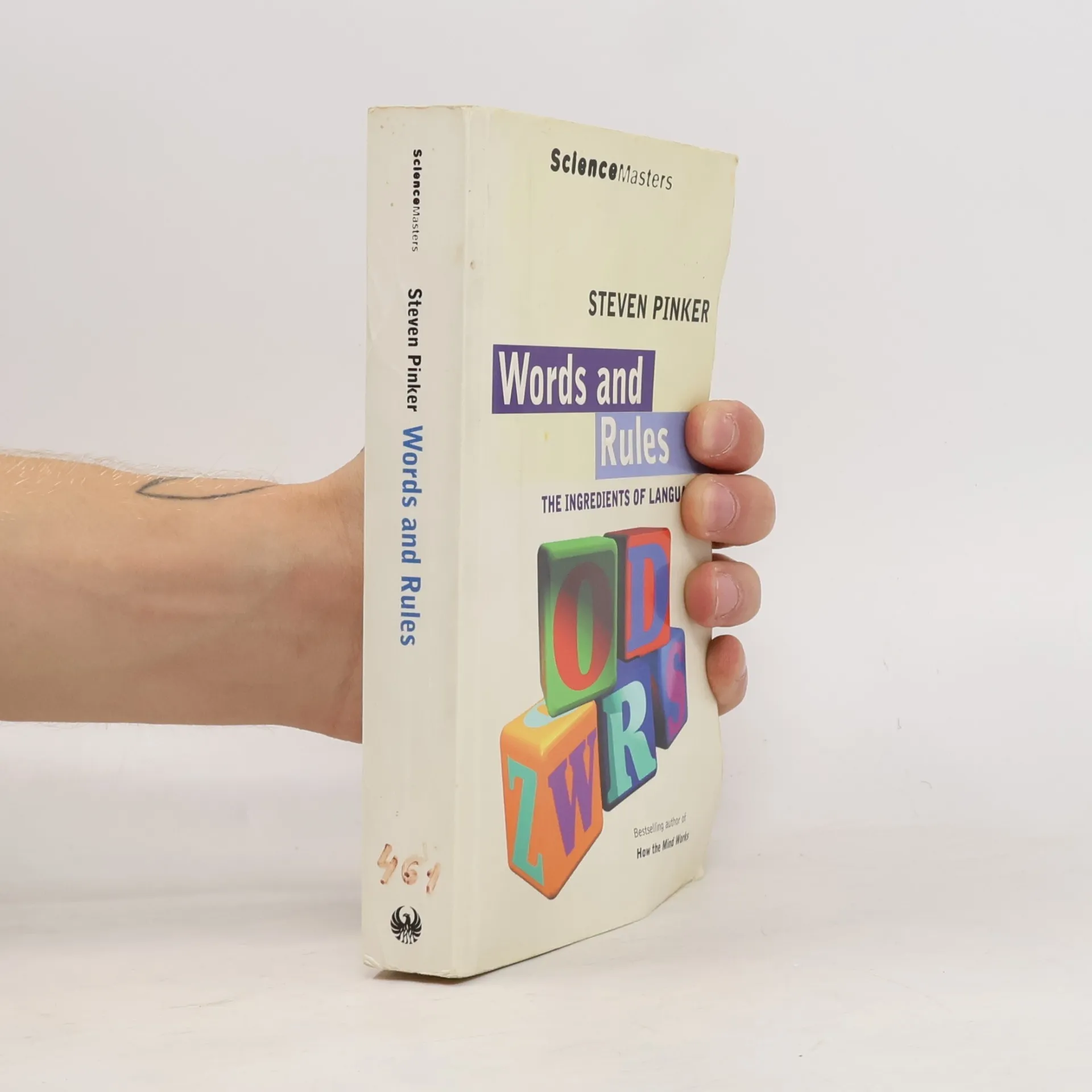
One of the world's science superstars presents a brilliantly illuminating, entertaining and cutting-edge account of how language actually works. schovat popis
Three Roads to Quantum Gravity
- 288pagine
- 11 ore di lettura
"It would be hard to imagine a better guide to this difficult subject."--Scientific American In Three Roads to Quantum Gravity, Lee Smolin provides an accessible overview of the attempts to build a final "theory of everything." He explains in simple terms what scientists are talking about when they say the world is made from exotic entities such as loops, strings, and black holes and tells the fascinating stories behind these discoveries: the rivalries, epiphanies, and intrigues he witnessed firsthand. "Provocative, original, and unsettling." --New York Review of Books "An excellent writer, a creative thinker."--Nature
Science Masters: The Pattern on the Stone
The Simple Ideas That Make Computers Work
- 176pagine
- 7 ore di lettura
Publisher: Ted Smart Date of Publication: 2001 Binding: paperback Edition: Condition: Very Good Description: 0753812622 some brown markings on front cover
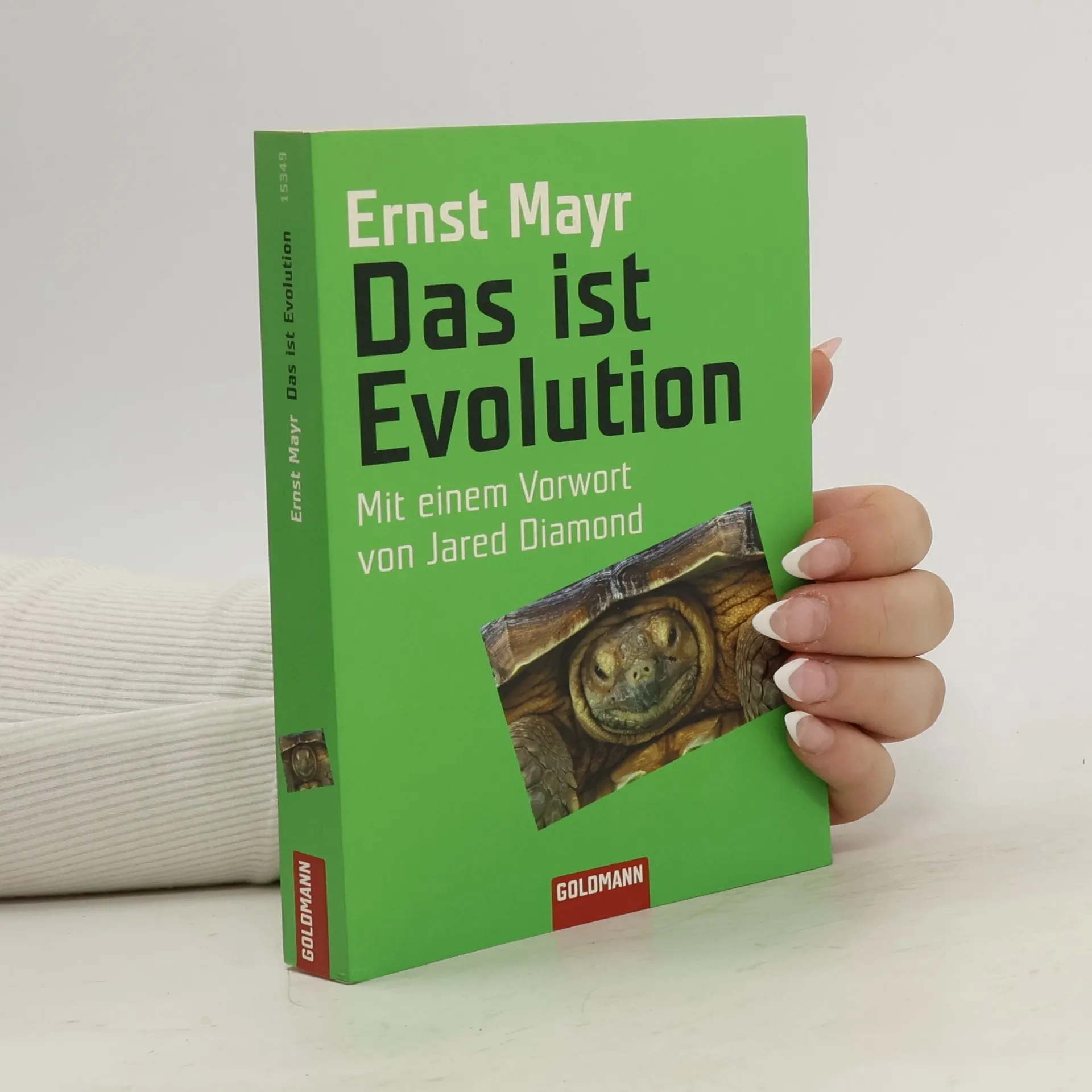
Die Theorien von Charles Darwin gehören zu den einschneidendsten aller geistigen Revolutionen in der Geschichte der Menschheit. Der Biologe Ernst Mayr widmete ihnen sein Lebenswerk. Der „Darwin des 20. Jahrhunderts“ (New York Times) legt mit diesem Buch die Summe seiner Erkenntnisse vor. Was wir seit Darwin über die Entwicklung des Lebens auf der Erde wissen: Ernst Mayr fügt Evolutionslehre, moderne Molekularbiologie und Genetik zu einer einheitlichen Wissenschaft der biologischen Vielfalt zusammen.
Wrinkles in Time
- 332pagine
- 12 ore di lettura
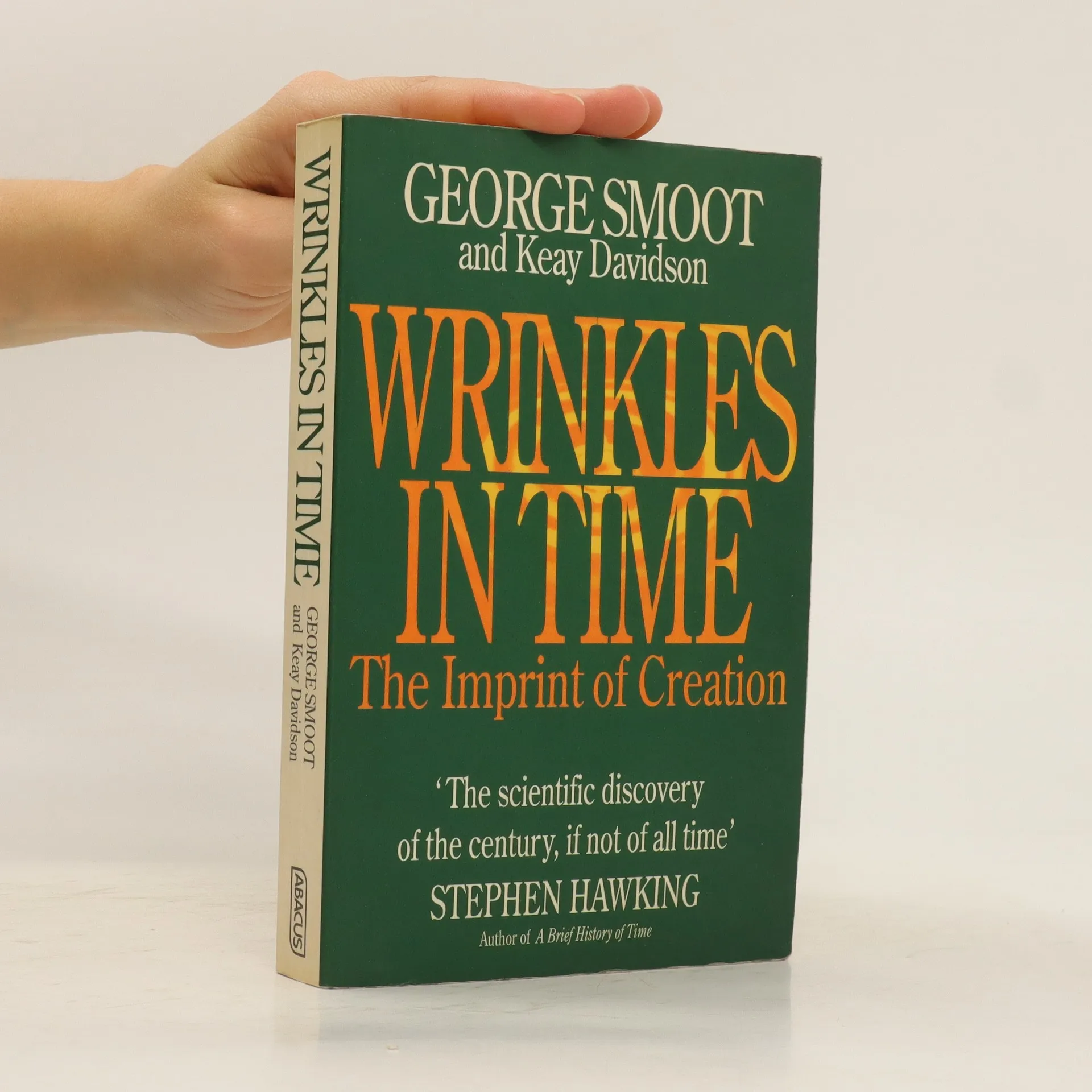
On 23 April 1992, astrophysicist George Smoot announced how he and his team of scientists had found 'ripples in the fabric of space-time' - cosmic wrinkles made in the first trillionth of a second after the cataclysmic moment of creation.Wrinkles in Time is the story of their heroic search for cosmology's Holy Grail. Presenting the science behind the structured violence of the Big Bang, it tells our ultimate history, recounting the implications of a universe whose unfolding is written in its beginnings.
Human Origins
- 64pagine
- 3 ore di lettura
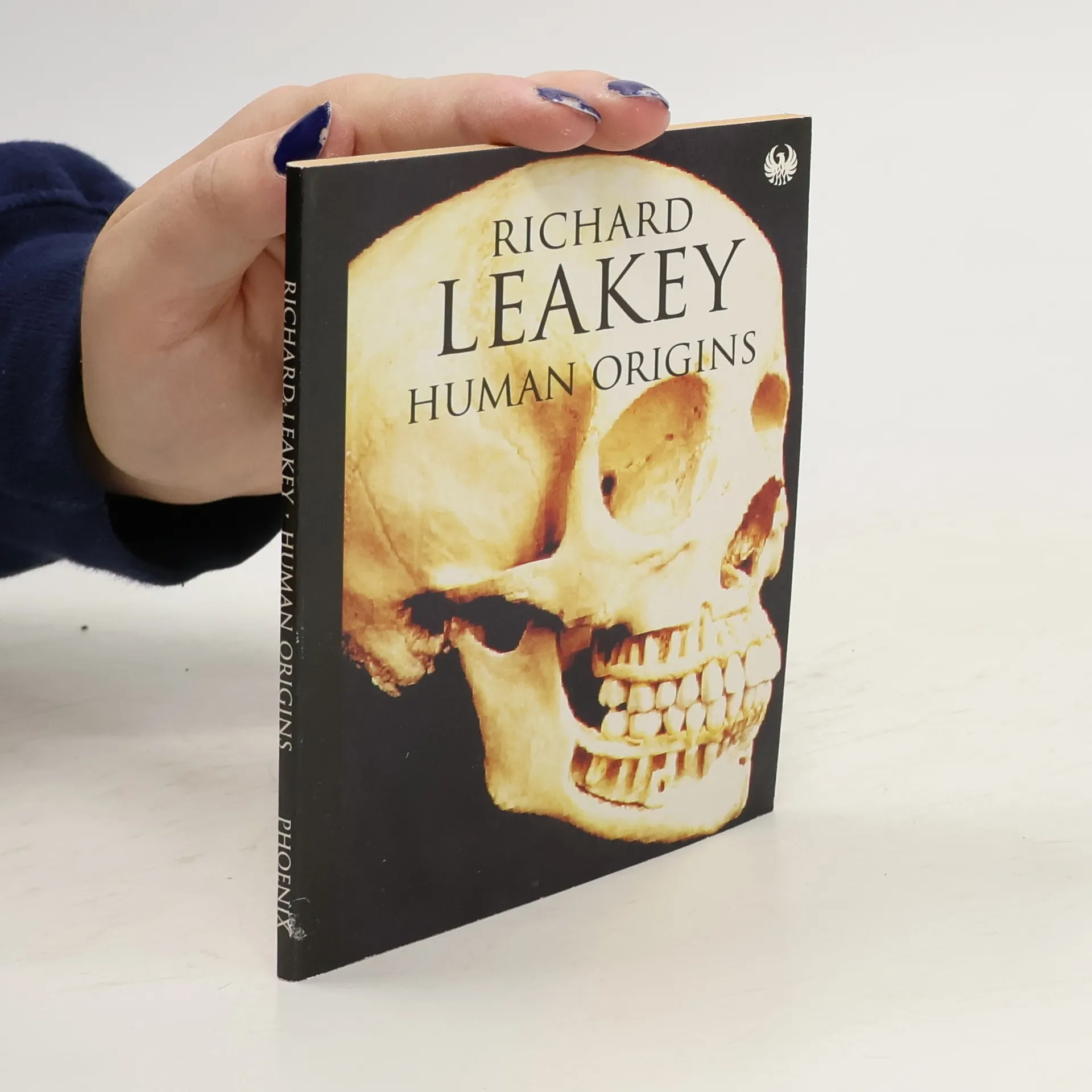
This text contains two chapters from "The Origin of Humankind" on the characteristics that define modern Homo Sapiens - the flair for innovation, artistic expression and a sense of morality.
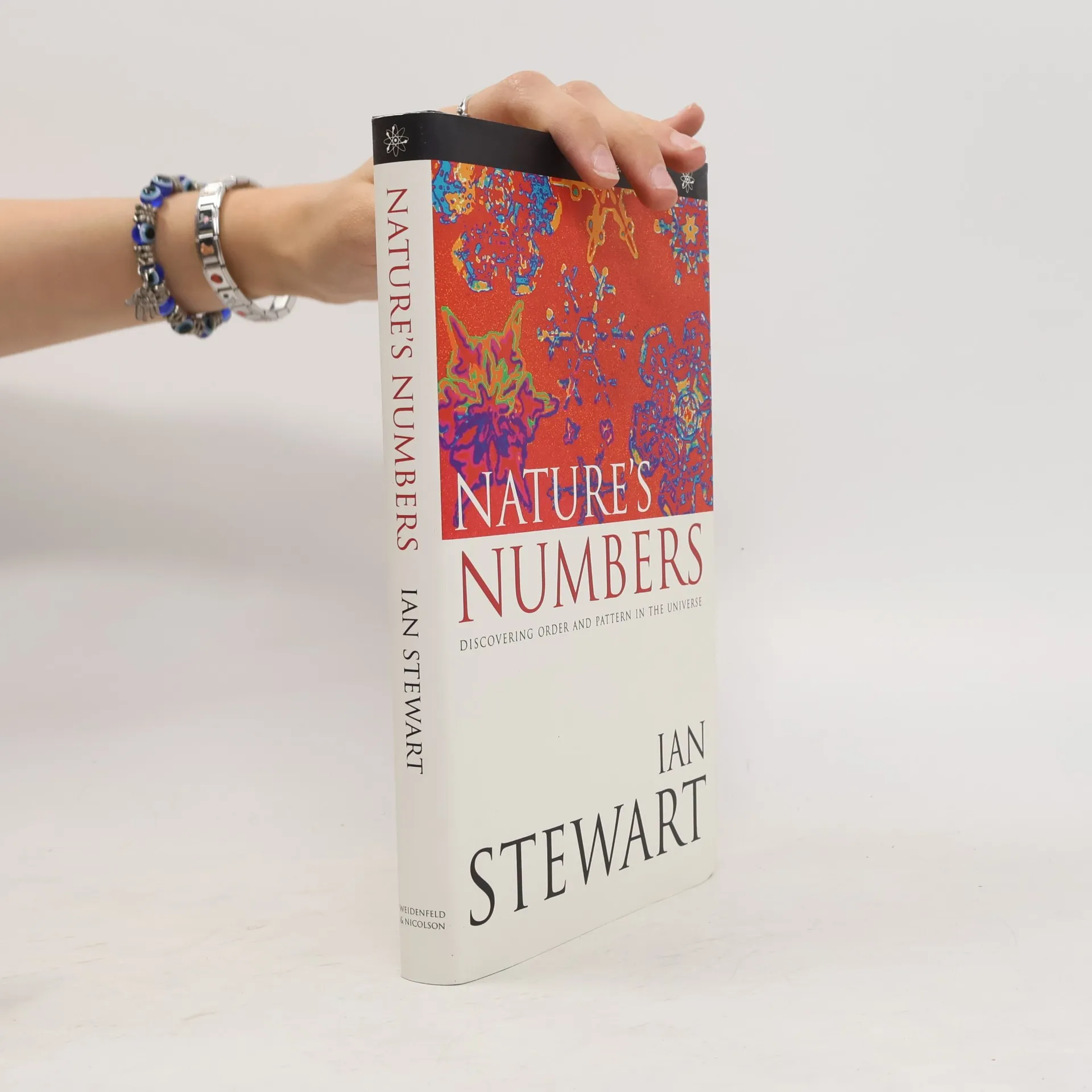
"It appears to us that the universe is structured in a deeply mathematical way. Falling bodies fall with predictable accelerations. Eclipses can be accurately forecast centuries in advance. Nuclear power plants generate electricity according to well-known formulas. But those examples are the tip of the iceberg. In Nature's Numbers, Ian Stewart presents many more, each charming in its own way.. Stewart admirably captures compelling and accessible mathematical ideas along with the pleasure of thinking of them. He writes with clarity and precision. Those who enjoy this sort of thing will love this book." - Los Angeles Times
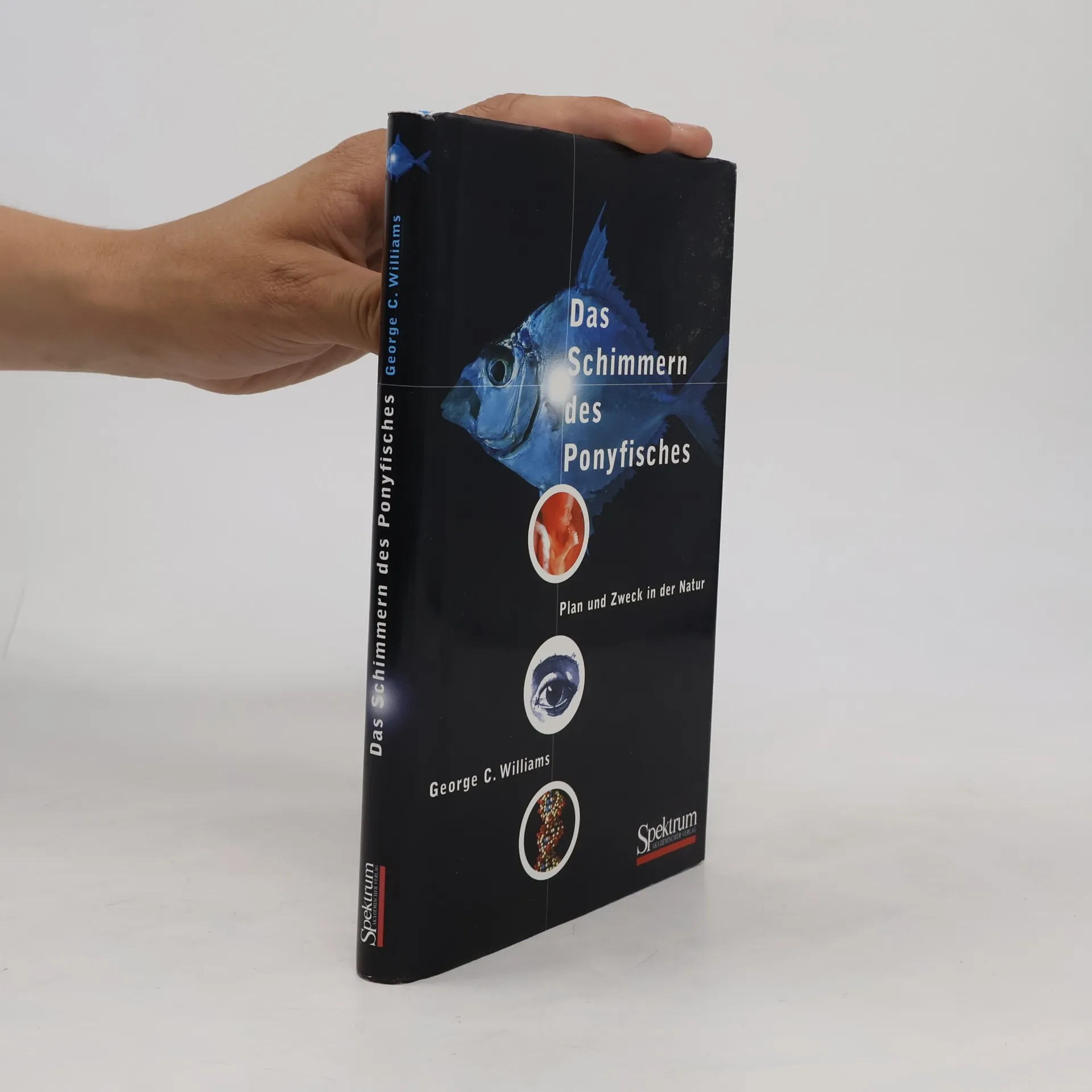
Das Schimmern des Ponyfisches
- 205pagine
- 8 ore di lettura
Wir mögen uns als die fortschrittlichste Art auf diesem Planeten betrachten, aber haben wir wirklich unser optimales Design erreicht? Der Evolutionsbiologe George C. Williams zeigt uns sowohl beeindruckende als auch absurde Anpassungen, mit denen die Natur uns ausgestattet hat. Unter einem modernen evolutionsbiologischen Blickwinkel beleuchtet er die alte Frage nach „Plan und Zweck in der Natur“. Warum hat der Ponyfisch ein Leuchtorgan? Wozu dient es? Warum haben wir nur ein Paar nach vorne gerichtete Augen, wenn ein drittes Auge uns optimieren könnte? Warum altern wir, sind anfällig für Krankheiten und müssen menschliche Babys durch einen engen Geburtskanal? Williams erläutert die grundlegenden Konzepte von natürlicher Selektion und Anpassung. Die Evolution „erfindet“ ständig neue Variationen von Körperbau, Stoffwechsel und Verhalten, doch ihre „Freiheit“ wird durch physikalische und chemische Gesetze sowie durch historische Entwicklungen eingeschränkt. Jeder Organismus trägt seine evolutionäre Geschichte mit sich. Es gibt keinen gezielten Plan oder „bestes Design“. Die natürliche Selektion ist blind für zukünftige Konsequenzen gegenwärtiger Veränderungen. Williams zeigt, wie eine evolutionsbiologische Perspektive auf Krankheiten und körperliche Abwehrreaktionen auch der Medizin zugutekommen könnte, und zieht hochaktuelle Bezüge aus seiner Analyse der grundlegenden Evolutionsprozesse.
Perché il sesso è divertente?
- 196pagine
- 7 ore di lettura
Why are humans one of the few species to have sex in private? Why are human females the only mammals to go through menopause? Why is the human penis so unnecessarily large? There is no more knowledgeable authority than the award-winning author of The Third Chimpanzee to answer these intriguing questions. Here is a delightfully entertaining and enlightening look at the unique sex lives of humans.
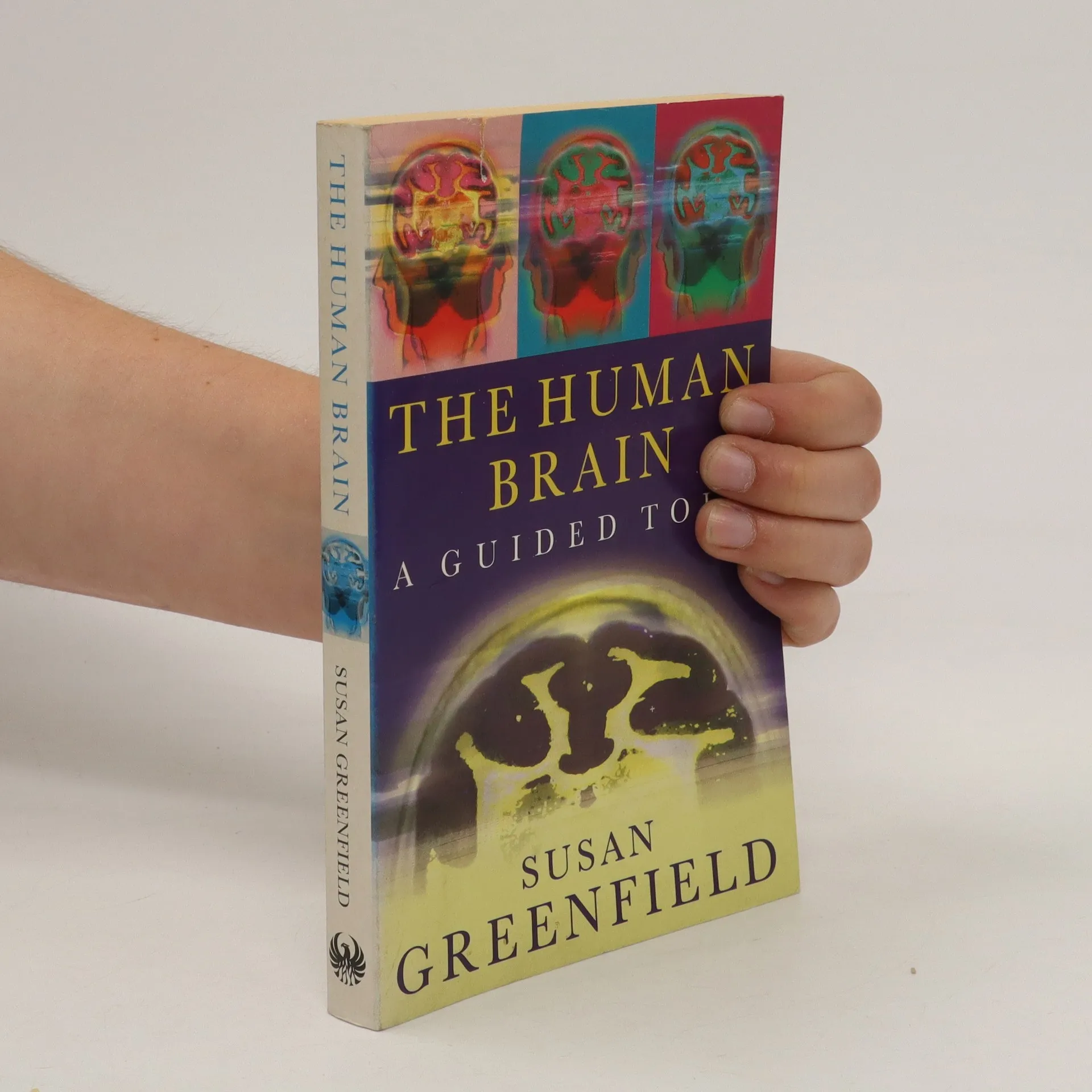
The Human Brain : A Guided Tour
- 206pagine
- 8 ore di lettura
A guided tour of the final frontier in human understanding: the brain Locked away remote from the rest of the body in its own custom-built casing of skull bone, with no intrinsic moving parts, the human brain remains a tantalising mystery. But now, more than ever before, we have the expertise to tackle this mystery - the last 20 years have seen astounding progress in brain research. Susan Greenfield begins by exploring the roles of different regions of the brain. She then switches to the opposite direction and examines how certain functions, such as movement and vision, are accommodated in the brain. She describes how a brain is made from a single fertilized egg; the fate of the brain is traced through life as we see how it constantly changes as a result of experience to provide the essence of a unique individual.
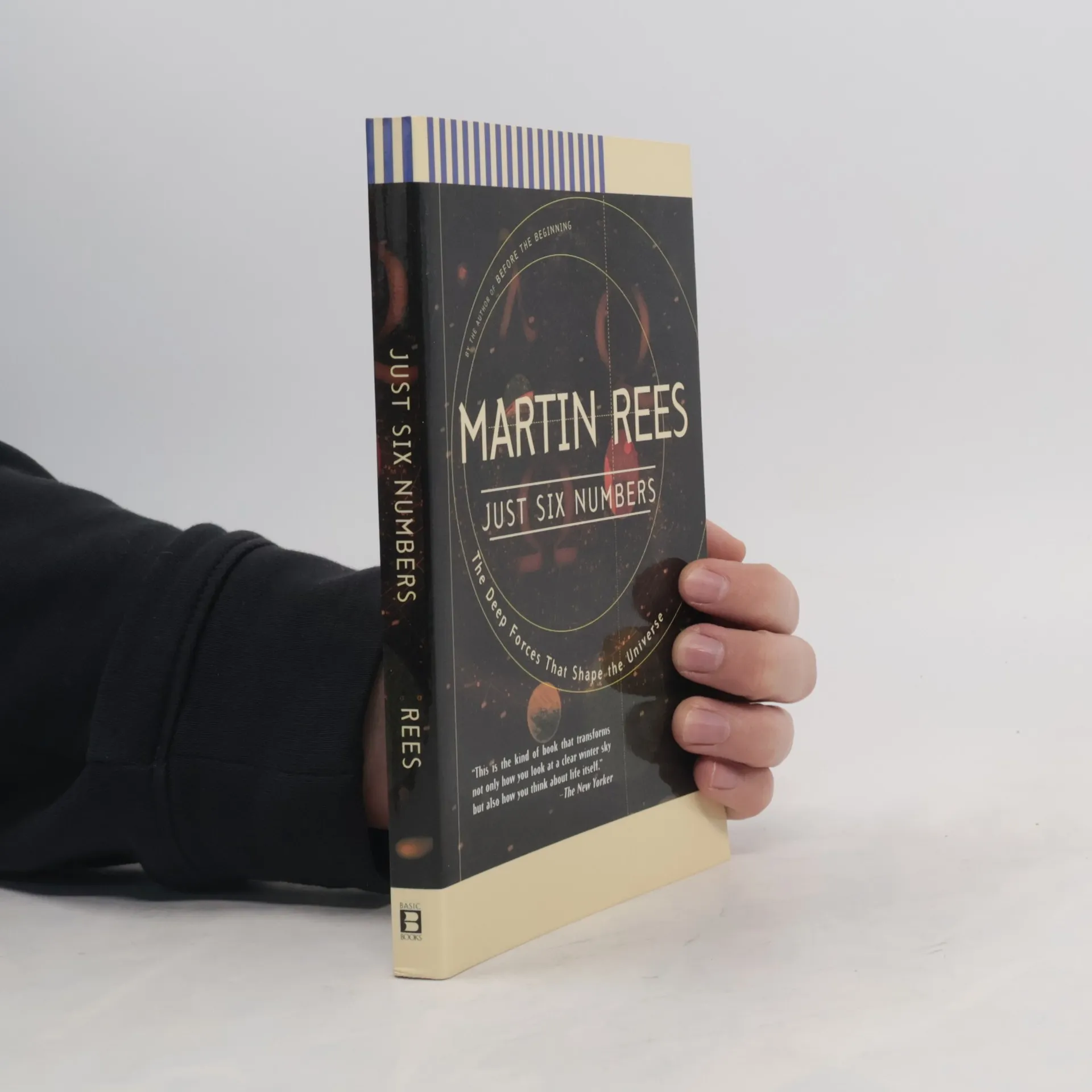
How did a single "genesis event" create billions of galaxies, black holes, stars and planets? How did atoms assemble -- here on earth, and perhaps on other worlds -- into living beings intricate enough to ponder their origins? What fundamental laws govern our universe?This book describes new discoveries and offers remarkable insights into these fundamental questions. There are deep connections between stars and atoms, between the cosmos and the microworld. Just six numbers, imprinted in the "big bang," determine the essential features of our entire physical world. Moreover, cosmic evolution is astonishingly sensitive to the values of these numbers. If any one of them were "untuned," there could be no stars and no life. This realization offers a radically new perspective on our universe, our place in it, and the nature of physical laws.
This book tries to fathom how our inner life evolves from one topic to another, as we create and reject alternatives. Drawing on anthropology, evolutionary biology, linguistics, and the neurosciences, Calvin also considers how a more intelligent brain developed using slow biological improvements over the last few million years.
Symbiotic Planet: A New Look at Evolution
- 160pagine
- 6 ore di lettura
Named ”best biology book of the year” by Library Journal, Symbiotic Planet describes how symbiosis is the key to understanding the origins of cells, the evolution of sex, the emergence of life on land, and even the physiology of our planet.
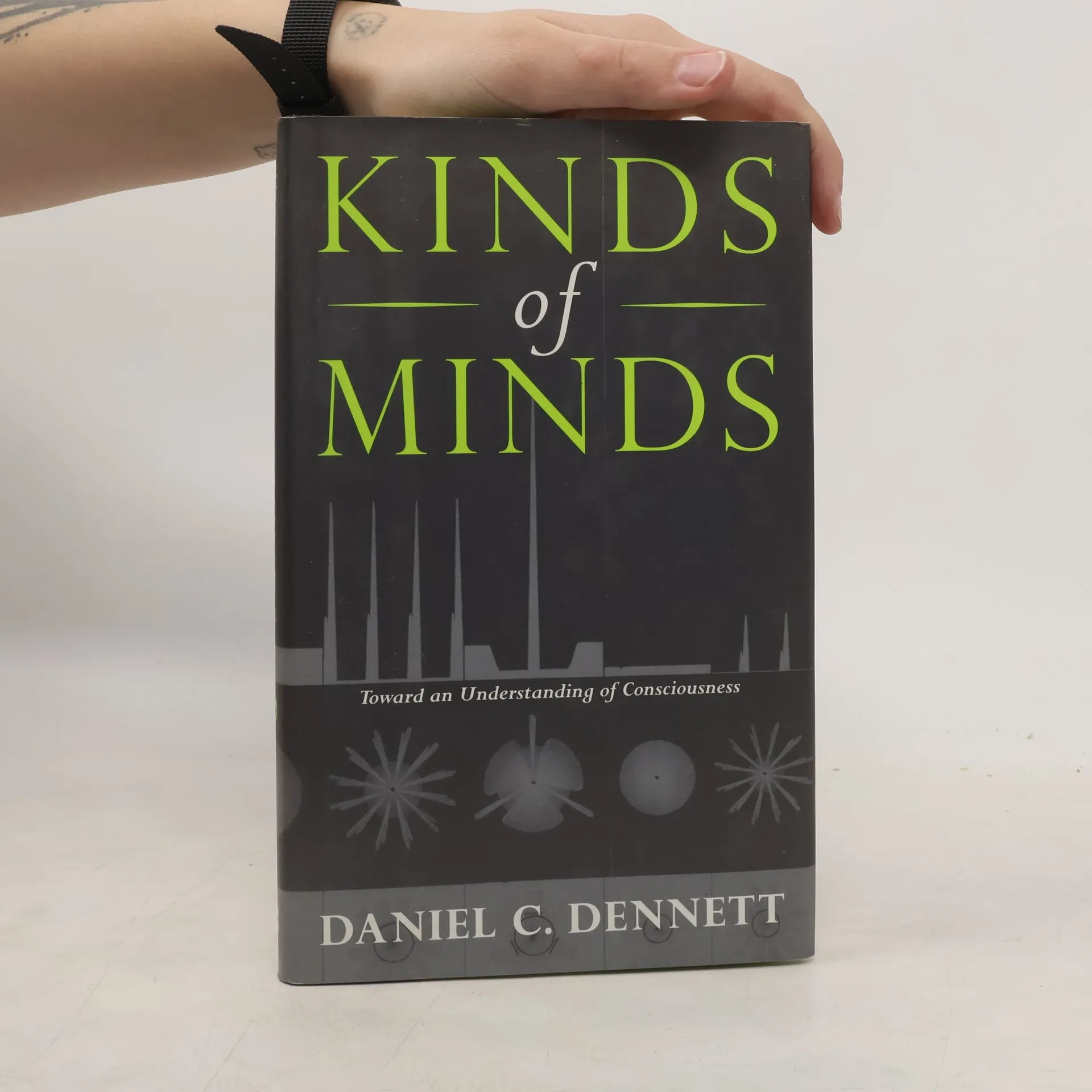
Combining ideas from philosophy, artificial intelligence, and neurobiology, Daniel Dennett leads readers on a fascinating inquiry into intriguing possibilities: Can we truly know what others think? What sets the human mind apart from that of complex animals? If such animals gained language, would their communities develop intelligence as nuanced as ours? Will robots, equipped with sensory systems akin to ours, ever display traits traditionally seen as uniquely human, such as meta-cognition? Dennett explores these questions from an evolutionary standpoint, tracing the journey from DNA and RNA to the evolution of animal life. He illustrates how organisms evolved from simple responses to environmental stimuli to sophisticated methods of predicting future events based on past experiences. Whether discussing robots with video-camera "eyes" that create the illusion of consciousness or contemplating whether spiders are merely tiny robots weaving intricate webs, Dennett excels at posing thought-provoking questions that stimulate and challenge our understanding of mind and intelligence.
Superbur Scienza: Le origini dell'umanità
Alla ricerca del nostro antenato più antico
- 186pagine
- 7 ore di lettura
«Dissotterrare lo scheletro completo di un antico progenitore dell'uomo è il sogno di ogni antropologo» afferma Richard Leakey, e per lui questo sogno si è realizzato: la sua vita è una lunga avventura segnata da alcuni degli episodi più significativi della paleoantropologia moderna. In questo libro Leakey ricostruisce, insieme con la sua storia, quella delle più importanti acquisizioni di questa scienza, facendo il punto sulle nostre conoscenze riguardo la comparsa dell'uomo sulla terra, le sue caratteristiche fisiche, i luoghi in cui vivevano i nostri progenitori: un panorama completo che giunge fino all'analisi delle prime forme di organizzazione sociale, alla comparsa e al significato dell'arte preistorica e alla conquista dell'elaborazione del linguaggio. Il lettore troverà quindi in questo libro non solo la storia dell'evoluzione che ha visto nel corso di milioni di anni la progressiva affermazione di caratteristiche materiali decisive come il bipedismo, ma anche il racconto di come, contemporaneamente, abbia preso forma nell'uomo una qualità fondamentale e misteriosa: la coscienza del proprio essere.